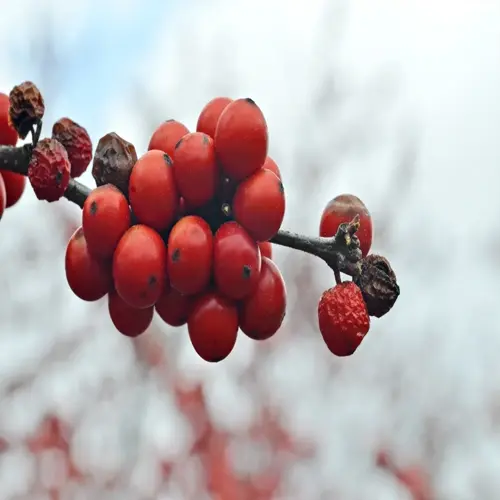

Plenty of creatures eat sedge plants. The main animals that eat sedge are songbirds, ducks, small mammals, and game birds like grouse and wild turkeys. The caterpillars of some butterflies and moths feed on them too. These animals eat both the seeds and the green foliage. That makes a single clump far more useful to wildlife than it looks to you at first.
I noticed this in my own yard one late summer. A plain clump of sedge sat by the back fence. One day it had sparrows hopping all over it. They worked through the seed heads one at a time. That quiet plant had become a small wildlife station. It fed more birds than I ever expected from something I almost mowed down.
Sedges do more for your yard than you might think. The seeds are a real food source, and animals graze the leaves too. The dense, grassy growth also gives them cover and a place to nest. So one plant feeds some creatures while it shelters others. You end up with a small web of wildlife around a single clump. The more sedge you grow, the more of this you get to watch from your window.
The research backs this up. NC State Extension reports that sedge seeds feed small mammals, ducks, grouse, wild turkeys and songbirds. The same plants act as a caterpillar host. That means butterfly and moth larvae use sedges to grow before they mature. The Canadian Encyclopedia notes that sedges give cover, and they serve as waterfowl food. That is why you find them at the edge of ponds and marshes. If you have a wet spot in your yard, a sedge will draw these animals in.
Here is who shows up most often and what each one wants from your plants.
Birds
- Songbirds: Sparrows and finches strip the seed heads through late summer and fall. They pick off the seeds one cluster at a time.
- Game birds: Grouse and wild turkeys eat the seeds off the ground. This gives them an easy meal heading into winter.
- Waterfowl: Ducks pull seeds and shoots from sedges at the water's edge. This is a key part of their waterfowl food supply.
Small Mammals
- Rodents: Mice and voles collect the fallen seeds and store them for later.
- Stem chewing: They also chew on the stems near the base of the plant.
- Shelter: The thick growth hides them from hawks and other predators while they feed.
Insects
- Caterpillars: Several butterfly and moth species use sedge as a caterpillar host. The leaves feed the next generation of pollinators.
- Larval cover: Young larvae hide in the dense blades while they grow.
- Spring grazing: Other insects nibble the fresh foliage when it is soft and easy to reach.
You can help these animals with two simple choices. First, leave the seed heads standing through fall and winter. Do not cut the plant back in autumn. Those dried seeds become key food when little else is around. The dead stems also give small animals cover through the cold months. Your sedge keeps working long after the growing season ends.
Second, plant native sedges in your beds. Skip the showy types brought in from far away. Native plants match the birds and bugs that already live near you. Your local sparrows and caterpillars know them as food. A native clump does far more for wildlife than a fancy import. Most local animals will not touch a plant they do not know. So choose native, and you feed the wildlife you want to see. Your yard turns into a small refuge that pays you back year after year.
Read the full article: Sedge Plant Guide: Identify, Grow and Care