
Both work well, so parsley in pots vs ground comes down to the space you have and how you cook. Pick a pot if you want fresh leaves within reach of the stove, and pick the ground if you want bigger, stronger plants. Growing parsley in containers suits a balcony or a sunny windowsill, while a garden bed gives the roots more room. You really cannot make a wrong choice here. Each setup grows good parsley once you match it to your kitchen and your yard.
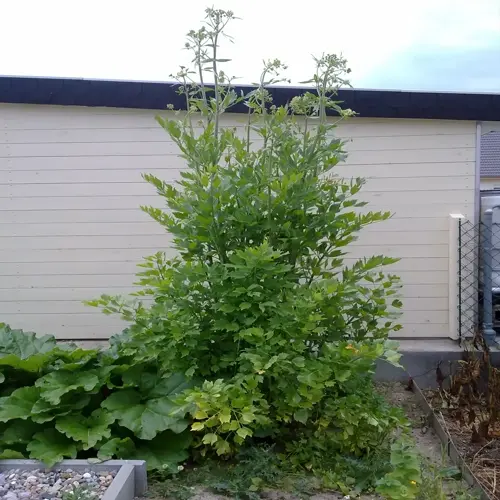
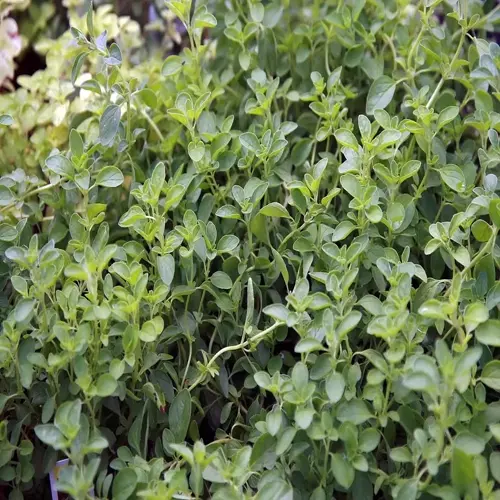
A window box of parsley glows bright green on my kitchen windowsill, close enough to grab a handful while a pot simmers on the stove. I planted that box last spring and snip from it most nights. Out the back door, the same herb sits in a raised bed where the plants stand twice as tall and twice as wide. I grew both from the same packet of seed. The windowsill ones feed me faster. The outdoor ones feed me more. My own habit now leans on the box for a quick garnish and the bed for a full bunch when a big pot of soup needs it.
Pots hand you control and mobility. You decide the soil, you slide the pot into more sun, and you pull it under cover when a cold snap rolls through. That portability is the real win when you cook every day. I noticed my window box ramps up fast in early spring because I can move it to the brightest glass in the house. Parsley grows a deep taproot, so use a pot at least 8 to 10 inches (20 to 25 cm) deep with drainage holes in the base. A shallow container starves that root and the plant sulks. Skip the cute little pots and go deeper than feels needed. One plant per pot keeps the roots from fighting for the same small pocket of soil.
- Fits balconies, patios, and sunny windowsills with no garden bed needed.
- Easy to move into sun or out of harsh weather.
- Needs a deep pot with drainage and more frequent watering.
- Gives the long taproot room to grow deep and strong.
- Holds moisture more steadily so watering is less frequent.
- Lower maintenance once the plant is established in rich soil.
The ground plays to size and steadiness. A parsley garden bed lets that long taproot dig deep and pull water from below, so the soil dries out slower than any pot. That deeper reach feeds a fuller plant with more leaves to cut. Space your final plants 10 to 12 inches (25 to 30 cm) apart in the bed so each one gets light and air. Crowd them and you trade size for stunted clumps. Rich soil with some compost worked in gives the roots plenty to chew on. Pick a spot that gets morning sun and a little afternoon shade in hot regions, since full midday heat can wilt the leaves. The bed also lasts. My in-ground plants kept feeding me right up to the first hard frost while the potted ones slowed down weeks earlier.
Watering is where the two paths split most. A pot dries fast in summer sun, so check the top inch daily and water once it feels dry, often every day in real heat. Feed your potted parsley a half-strength liquid feed every two to three weeks since the roots have only that small pocket of soil to draw from. In-ground parsley asks far less of you. Once it settles in, the deep roots handle their own water most of the time, and a single spring helping of compost keeps it fed. Match the home to your routine and you eat fresh parsley either way.
Read the full article: Parsley Plant Guide: Grow, Harvest, Use