
The most common propagation mistakes are easy to name. You water too much, you plant a leaf section upside down, and you skip drying the cut end first. Get those three right and your cuttings will root. Each one kills more cuttings than people expect, so I will walk you through all three.
My first batch turned mushy and brown at the base within two weeks. I set the cuttings on a south-facing windowsill in a cup of damp potting mix. Then I kept topping up the water like I would for a thirsty houseplant. The base went soft, then dark, then slimy. The next batch went into barely moist mix and stayed bone dry on top. Those rooted fine.
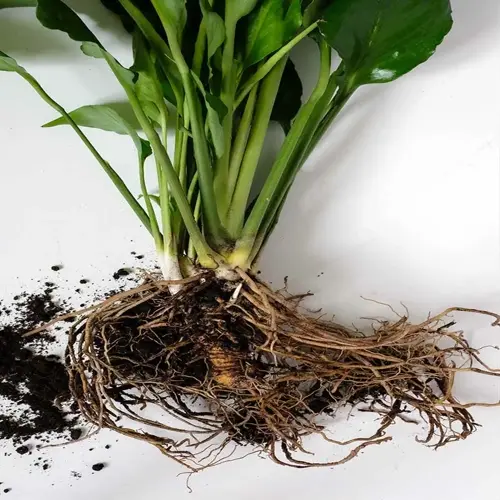
Soggy medium is the real killer here. A fresh snake plant cut is an open wound, and wet soil packs it with bacteria and fungus before any roots form. NC State warns that overwatering rots the roots of these plants, and the same thing happens to a cutting that never had roots yet. The soft tissue at the cut simply breaks down. Overwatering snake plant cuttings is the number one reason they fail, and I learned that the slow way with my own slimy first batch.
The second big error is planting a section the wrong way up. A snake plant leaf has a top and a bottom, and roots only sprout from the end that was closest to the soil. Flip it, and that section just sits there for months and never roots. Iowa State extension stresses keeping the leaf orientation the same as it grew. If you cut one tall leaf into three pieces, they all look alike fast, so you have to track which end is which.
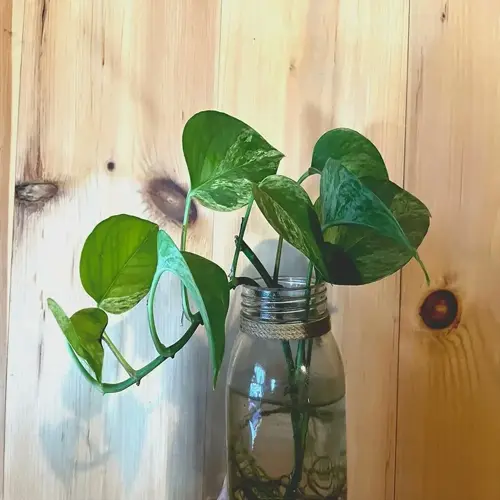
There is also a quieter trap with water rooting. Cuttings in a jar grow thin, fragile water roots that look great but transplant poorly. Those roots are built for a jar, not for soil, so many of them die off and the plant wilts hard once you pot it up. You often end up regrowing roots from scratch anyway, which costs you the time you thought you saved.
A rush to see results ties most of these propagation mistakes together. New shoots can take about two months to push up, and a bare cutting in soil looks dead for weeks. That quiet stretch is normal. People panic, water more, and dig pieces up to check for roots. That only hurts the fragile new growth. The cutting needs time and steady, dry soil, not more fussing from you.
The fix for the cut wound is the callus step, and most rushed growers skip it. Set your cuttings somewhere dry and out of direct sun for a day or two until the cut ends feel dry and slightly hardened. Iowa State recommends letting cuttings callus before they go into any medium. That dry skin seals the wound so rot cannot get a foothold once you plant. It is the cheapest insurance you have.
- Callus First: Let cut ends dry for a day or two before planting so they do not rot in damp medium.
- Mark The Top: Notch the top edge so you never plant a leaf section upside down, since it only roots from the bottom.
- Go Easy On Water: Keep the medium barely moist, not soggy, because overwatering is the top cause of failed cuttings.
- Use a pot with drainage holes so extra water leaves fast instead of pooling around the cut.
- Be patient, since new shoots can take about two months even when everything is right.
Read the full article: Snake Plant Propagation: A Complete Guide