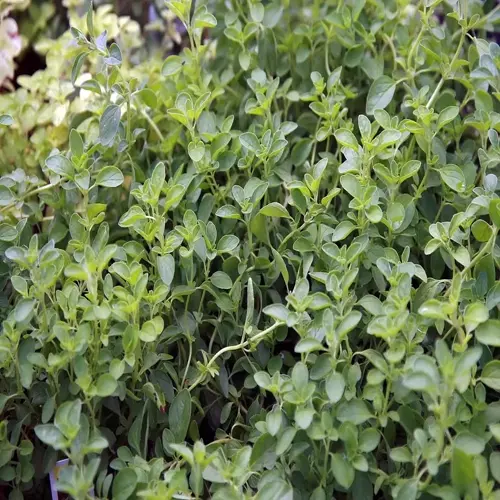

Eating parsley daily is fine for most people, and the amount you eat is the whole story. A sprinkle on pasta or a small handful in a salad gives you real nutrition with no downside for a healthy adult. Trouble only shows up at doses far higher than anyone gets from food. So the short answer is yes, daily parsley is safe and good for you in normal cooking amounts.
Think about how much you really eat in a day. The parsley most people have is a garnish-sized sprinkle, often just a tablespoon or two chopped over a plate. That is a very different thing from the strong extracts and supplement doses used in lab studies. Food on a plate and a strong extract are not the same, even when they come from one leaf.
This is why dose matters so much with any plant. A pinch of fresh herb acts nothing like an extract pressed from pounds of leaves. Most studies that flag risks feed animals huge amounts. You could never reach those levels by topping your dinner with a bit of green. The fear you read online almost always comes from these big lab doses, not from real meals.
Now for the good part, because the upside is real. The leaf is packed for its size. Raw parsley has about 133 mg of vitamin C per 100 grams, plus a strong dose of folate and vitamin A. It also brings antioxidants that help your body fight daily wear. At only 36 calories per 100 grams, you get a lot of nutrition for almost no energy cost. Few foods give you that kind of trade.
The one nutrient worth a close look is vitamin K. Parsley vitamin K levels rank among the highest of any food, near 1,640 micrograms per 100 grams. Vitamin K helps your blood form clots. Big daily amounts can work against blood thinners like warfarin. The drug and the nutrient pull in opposite ways, so a sudden flood of parsley can throw off how steady your levels stay.
If you take blood thinners, keep daily parsley amounts steady rather than suddenly large, because parsley is one of the most vitamin-K-dense foods by weight.
The real parsley side effects show up at extract doses, not on your plate. In animal tests, very high doses raised liver enzymes. They also raised creatinine, a marker of kidney strain. That dose was near 1,000 milligrams per kilogram of body weight. The rise points to stress on the liver and kidneys. There is also a case report where parsley pushed up blood levels of the transplant drug sirolimus. These are warning signs from heavy doses, not from a normal meal.
So scale tells you who needs to be careful. A few sprigs on dinner sit nowhere near a lab dose. A daily green juice built on full bunches of parsley is a different story. If you blend large amounts every morning, you can reach intake levels that start to matter. Keep an eye on how much goes in the blender, not just how often you drink it.
Who should hold back? If you take blood thinners, keep your intake steady and tell your clinician before you start a daily green smoothie habit. The same goes if you are pregnant, since strong herb amounts can be risky during that time. People on drugs like sirolimus should also stay moderate. Large doses can shift how those medicines work in your body.
For everyone else, eating parsley daily is a smart, low-cost way to lift a meal. Stick to normal food amounts and you get the vitamins without the worry. Save the real concern for capsules and concentrated extracts. Chop some fresh over eggs, soup, or rice each day and you build a steady habit your body will thank you for. Talk to a doctor first only if you take the medicines above or plan to treat parsley like a supplement.
Read the full article: Parsley Plant Guide: Grow, Harvest, Use