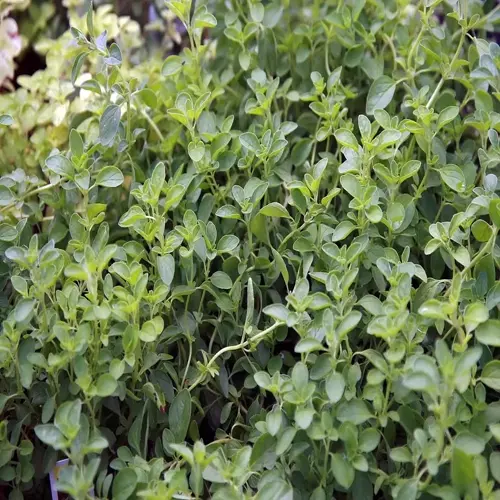

Not much bad happens to your parsley in winter, and that surprises most new gardeners. The plant is cold hardy, so it often lives through the cold season instead of dying back. Its growth slows down, but the roots stay alive and the leaves hold their color. You can still pick from your plant on the milder days, and the flavor stays sharp the whole time.
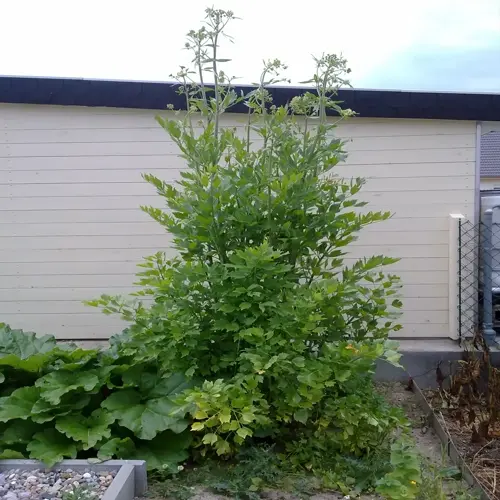
I snapped a handful of fresh green stems off my Giant of Italy plant on a frosty morning in January. The raised bed sits right by the kitchen window, so I see it every day. The leaves had frost on the edges, yet they stayed dark and crisp under it. Back in fall I planted nothing new and just tucked a thick layer of straw mulch around the crown. That blanket is what carried the plant through, and I pulled fresh leaves from it well past the first hard freeze.
Parsley shrugs off light frost without any trouble. A cold night might wilt your outer leaves for a few hours, but they perk back up once the sun hits them. As a cold hardy herb, it takes temperatures well below freezing once it is settled in. I checked mine after a night that dipped to 20°F (-7°C), and the plant looked no worse for it. This is why parsley in winter holds up when tender herbs like basil turn to mush at the first frost.
In deep cold your plant goes semi-dormant rather than giving up. It stops pushing new growth and lives off the energy stored in its taproot. Nothing dies. The whole plant pauses, and it can hold this state for weeks at a time until the weather softens. Warm spells wake it back up fast, and you will see fresh leaves push out within a few days of a thaw. That slow, steady pace is why one plant feeds you so long.
Late Fall
Growth slows as cold arrives; mulch plants with straw or add a row cover to protect them.
Deep Winter
Cold-hardy parsley survives frost and stays semi-dormant, offering leaves to pick on milder days.
Early Spring
Surviving second-year plants resume growth, then send up a flower stalk and turn bitter.
Overwintering parsley is mostly about keeping the cold off the crown. Pile straw around the base of your plant or drape a row cover over the bed before the first hard freeze. Either one traps a pocket of warmer air so you can pick leaves all winter. A row cover also shields your foliage from drying winter wind, which scorches exposed leaves worse than the cold does. Aim for three to four inches of straw so the crown stays buried but the leaves poke through.
Here is the catch with a plant that survives. Parsley is a biennial, so one that lives through a winter sends up a flower stalk the next spring. Once your plant bolts, the leaves turn bitter and tough, and the plant pours its energy into seeds. You get a short window of good picking in early spring before the flavor drops off. Snip those last tender leaves while you can, because the bitterness sets in fast.
Mulch your plants no matter where you garden. Folks in mild zones often skip this and still lose plants to a surprise cold snap, when a few inches of straw would have saved them. If you live where winters turn harsh, you get the biggest payoff of all, with fresh leaves to snip while the rest of your bed sleeps under snow. Plan to start new seedlings each spring too, since first-year plants give you the best leaf harvest. I keep a second-year plant for early greens and let it flower for the bees once it bolts.
Read the full article: Parsley Plant Guide: Grow, Harvest, Use