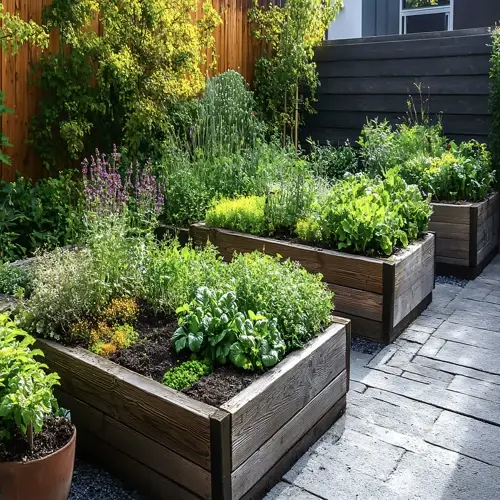

I pushed the thermometer probe two inches into my back-corner raised bed, held it there, and watched the dial climb. 65°F (18°C) at last. Only then did I plant my Black Beauty zucchini seeds in the warm, crumbly soil. For most gardens, the best month to plant squash is May or June, once the bed has warmed and frost has cleared out for good.
That is the honest answer on when to plant squash, but the month on the calendar is not really the trigger. Squash seeds are tropical at heart. They rot in cold, wet ground and sit there sulking instead of sprouting. The plant waits for warmth, so you should too. I checked that bed three days running before I trusted the reading, since one sunny afternoon does not mean the soil holds heat overnight. Rushing the date is the single most common reason a squash patch fails early.
The real signal is soil temperature at 2 inches deep reaching 65°F (18°C), plus every last chance of frost behind you. Those two conditions land in different months depending on where you garden. A May date that works in Ohio would be a month too late in Georgia and a month too early in Maine. The soil, not the page of a calendar, makes the call. Cold dirt slows germination to a crawl, and seeds that take two weeks to sprout often draw pests or rot before they ever break the surface. Warm soil flips that, and you see strong sprouts in five to seven days.
Warm southern regions get the early start. Gardeners in places like Florida and the Gulf Coast can sow as early as April, since their soil warms fast and their frost date sits in late winter. Some growers even slip in a second crop later in the season because their heat stretches so long. Most temperate areas across the middle of the country wait for May or June, which is the bulk of where squash goes in the ground each year.
Short-season gardeners in the far north play a different game. With only a brief window of heat, you start seeds indoors three to four weeks before your last frost. Use peat or paper pots so the roots stay undisturbed at transplant, since squash hates having its roots handled. Then you move sturdy young plants outside once the soil hits that 65°F mark. This buys you the extra weeks your summer never hands out for free, and it can mean the difference between a full harvest and none.
Skip the guesswork and buy a cheap soil thermometer for a few dollars. Push the probe two inches down and check the bed in the morning for a few days in a row, because one warm afternoon reading lies to you. Morning numbers tell the truth about how cold the soil still gets overnight. A steady 65°F reading means your squash planting time has arrived, no matter what the date on the wall says. Raised beds and dark soil warm faster than flat ground, so check each bed on its own rather than trusting one spot for the whole garden.
Winter squash needs more planning since it takes 80 to 120 days to mature. Count backward from your first expected fall frost and make sure you have enough warm weeks left. If your butternut or acorn squash needs 100 days and your frost hits in early October, get those seeds in by late June at the latest. Miss that window and the fruit never sizes up or cures hard enough to store through winter.
Read the full article: Squash Plants: Complete Growing Guide