
The best soil for meadow garden plantings is poor, lean ground with little fertility. This goes against what most gardeners expect. You do not want rich, dark beds full of nutrients here. Thin poor soil is what lets wildflowers thrive and bloom, and it does most of the hard work without any feeding from you.
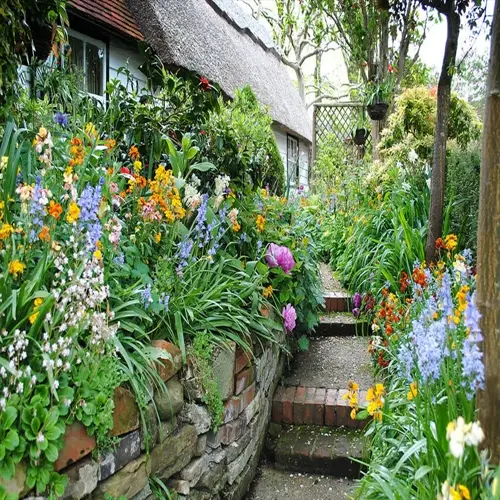
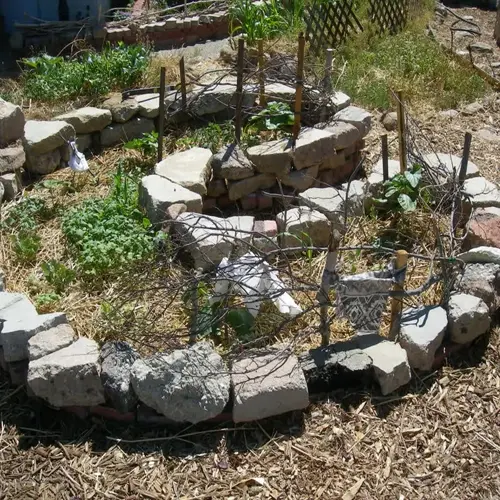
Look at two patches side by side and the difference is clear. A lush, fertilized bed grows tall grass and thick weeds that smother the flowers. A thin, rocky patch keeps that growth in check, so the flowers get sun and room to shine. The hungry ground does the weeding for you.
There is a real reason behind this. Most native wildflowers evolved to compete in low fertility soil where few plants can survive. They grow slow and steady, and they hold their own when food is scarce. Many of them, like coneflowers and black-eyed Susans, send roots deep to find what little they need. Grasses and weeds work the other way. They are fast and greedy, and they explode in growth the moment nitrogen runs high.
So when you feed the ground, you feed the wrong plants. The vigorous grasses shoot up first and shade out the slower flowers below. By midsummer the blooms vanish under a wall of green. Shade is the real killer here, since a young wildflower starved of sun never gets the energy to bloom. Keeping nitrogen low slows the bullies and gives the flowers a fair chance to set roots and flower.
This is why the no fertilizer rule matters so much. UNH Extension is direct about it. Do not add compost, manure, or nitrogen to a meadow planting. That advice flips a common tip you have probably heard, which is to enrich the soil before you plant anything. For a flower bed that makes sense. For a meadow it backfires.
Compost And Manure
- The problem: Both add a big load of nitrogen that pushes grass and weed growth far ahead of your flowers.
- Better move: Leave the soil as you find it, since lean ground keeps the whole planting in balance.
- Watch for: Old beds where compost was dug in for years still hold extra nutrients you may need to manage.
Granular Fertilizer
- The problem: A quick shot of nitrogen feeds the fast weeds first and shades out the slow wildflowers below.
- Better move: Apply no fertilizer at all, not at planting and not in the seasons that follow.
- Watch for: Runoff from a fed lawn next door, which can carry nutrients into your meadow edge.
Rich Imported Topsoil
- The problem: Bagged topsoil and garden mixes are often packed with nutrients that favor aggressive weeds over flowers.
- Better move: Sow into your native ground, even when it looks plain, since lean soil is the goal not a flaw.
- Watch for: Beds raised with bought soil, which can stay too fertile for a meadow for several seasons.
If your soil is already rich, you have a couple of choices. You can scrape off the top few inches of fertile topsoil to expose the leaner layer underneath. That is heavy work, but it gives wildflowers a strong head start in stubborn spots. The simpler path is to just stop feeding the ground and let the fertility drain away over a season or two.
Spend your real effort on weed removal instead of amendment. Pull or smother the existing grass and weeds before you sow a single seed. Smothering with cardboard or a tarp for a full season starves out tough perennial weeds for good. This clears the competition that would otherwise win the race. Get the ground bare and lean first, and your wildflowers will hold the space for years with very little help from you.
Read the full article: Meadow Garden: A Complete Beginner Guide