
I lifted the snake plant off the windowsill and nudged the pot up onto the high shelf. It sits in the south-facing window now, well past the gray cat that kept nosing the stiff leaves. The biggest snake plant disadvantages show up right there. These plants are toxic to pets. They get root rot when you overwater them. And they grow slow enough to test your patience for months.
The toxicity is the part most new owners miss. Every species of snake plant carries natural compounds called saponins in the leaves and roots. Penn State Extension notes that all species are toxic for this reason. NC State Extension adds that the plant affects cats, dogs, horses, and children. A pet that chews a leaf can end up drooling, vomiting, or sore in the mouth.
Saponins are the plant's own defense. They taste bitter and they upset the gut. So an animal that takes one bite usually backs off fast. The trouble is that one bite still makes a small pet sick. A kitten or a puppy does not read warning labels. And a curious cat will paw at those tall leaves until something gives. If you keep pets, you have to plan around this from day one.
You do not need a vet for every nibble, but you should watch your pet for a few hours after one. Look for drooling, an upset stomach, or a pet that paws at its own mouth. Call your vet if the signs stick around or your pet seems weak. Small animals carry the most risk because their bodies are tiny. You should treat a curious puppy and a snake plant as a pairing to avoid.
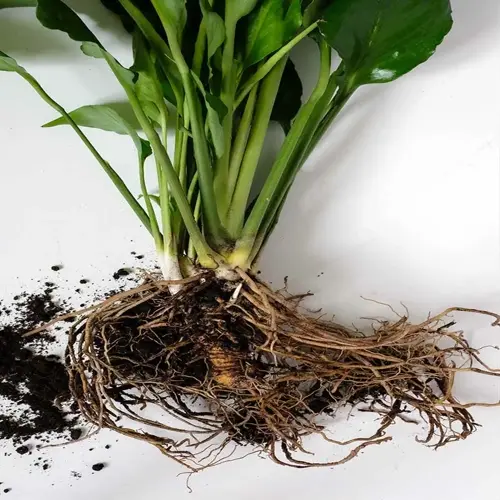
Water is the next thing that trips people up. Snake plants store water in thick, fleshy roots and leaves. That trait is great for a forgetful owner but brutal if you pour on too much. Soggy soil leads straight to root rot. NC State Extension warns that overwatering rots the roots before you ever spot trouble up top. By the time the leaves turn soft and yellow, the damage below the soil is already done.
I learned to watch the pot, not the calendar. My first snake plant went mushy because I gave it a splash every week out of habit. The roots had already turned brown and slimy by the time I dug it up. Now I let the soil dry out hard between drinks, and the same kind of plant has held strong for three years.
Here is a quick rundown of the main drawbacks so you know what you are signing up for.
The fixes are simple once you know the risks. Keep the plant and any cuttings out of reach of pets and children. A high shelf works, or a room the cat never visits. Water only when the top two inches of soil feel bone dry. Always use a pot with a drain hole so extra water runs out the bottom. That one habit stops most rot before it starts. I keep a finger test going so I never guess.
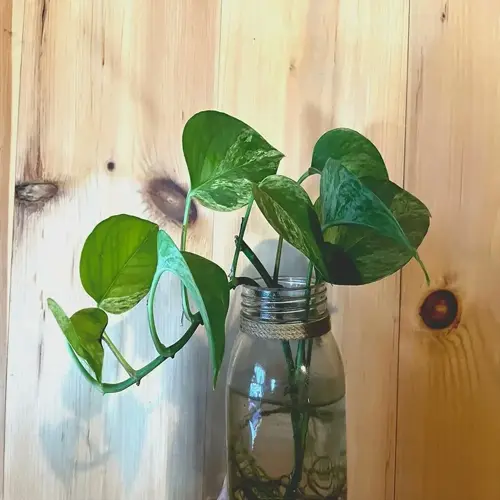
The last drawback is the slow growth. A snake plant might push out only a leaf or two in a whole year. A cutting can take two months or more to grow roots. That pace frustrates anyone who wants a lush, fast-filling pot. I have rooted a few in water on my kitchen counter, and it tested my patience every time. Set your hopes low, give it bright light, and treat each new leaf as a small win. The plant rewards patience, not rush.
None of these snake plant disadvantages should scare you off for good. You just need to know them before you bring one home. Put the pot where your pets and kids cannot reach it. Let the soil dry out hard before you water again. And give the plant the time it needs to fill out. Do those three things and your snake plant will outlast most of the other plants on your shelf.
Read the full article: Snake Plant Propagation: A Complete Guide