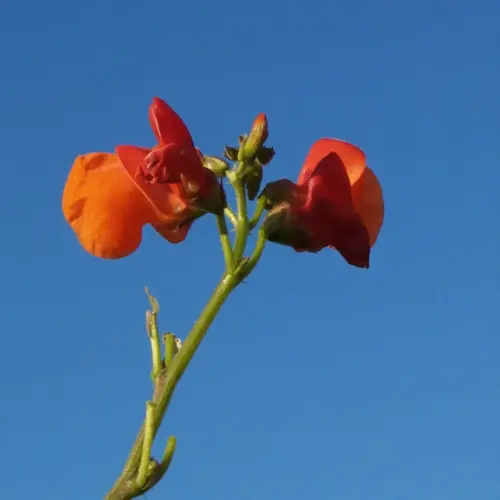

My back-fence Old Spice vines filled the kitchen window with bloom from mid-spring, then crisped to brown by midsummer. That whole show ran for one single season and never came back. The plants got going during the cool weeks of early spring, when the soil stayed damp and the nights stayed chilly. Those cool early weeks gave the longest run of flowers I have ever cut from a fence.
The short answer is that the sweet pea lifespan is a single growing season. The common garden sweet pea is a true annual, so it sprouts, climbs, blooms, sets seed, and dies all within a few short months. Its whole annual life cycle plays out in one spring and early summer, and no amount of care will carry the same plant into a second year.
The plant you are growing is Lathyrus odoratus, the fragrant sweet pea most people grow for cut flowers. It pushes up tendrils, grabs onto your support, and reaches full size in about 8 to 10 weeks from sowing. Your flowers open from mid-spring through early summer, and the scent fills the air around the vines. Once the heat arrives, the plant fades fast and finishes its life for good. That short arc is the whole sweet pea lifespan in one breath.
Here is where you can get tripped up. There is a second plant called Lathyrus latifolius, the perennial sweet pea, and it does come back year after year. But that return growth comes at a cost. The perennial gives you bigger, tougher vines and almost no scent at all. The fragrant one you smell from across your yard is the annual, and the annual only lives once.
Hot, humid weather is what ends the run. As summer temperatures climb past 75°F (24°C), the flowers get smaller and the yield drops off week by week. The vines turn yellow from the base, set their final seed pods, and slump against the support. At that point the plant is done, and you pull it out to clear the bed. Leaving dead vines up only invites mildew and pests.
My own fence vines told the same story in plain time. They went in as seedlings in early March, climbed the wire through April, and peaked in a wall of color by mid-May. By the first week of July they had gone brittle and pale. The cool stretch up front did the heavy lifting, and the heat closed the book. That tight window is the life of the plant, start to finish.
You can stretch the productive months with smart timing. Sow early, while the weather is still cool, so the vines build size before the heat shows up. An early start buys you weeks of extra flowers at the front of the sweet pea season, which is the best window you get. Cut the blooms often too, because picking keeps the plant making more instead of rushing to seed.
Plan to replant each cool season if you want the fragrant kind, since the annual will not return on its own. Drop fresh seed every spring, or sow in fall where winters stay mild. A fall sowing in a mild zone gives the roots a head start and a longer bloom run the next year. Either way, the seed is cheap and the payoff is months of scent.
Reach for the perennial Lathyrus latifolius only in one case. Choose it when you want vines that come back each year on their own, and you can live without the famous scent. It saves you the yearly sowing, and it covers a fence with ease. But for most gardeners the annual wins, because the yearly replant is well worth the perfume on the vine. I would replant mine every spring without a second thought.
Read the full article: Sweet Pea Vine: Complete Grow Guide