
Keep spinach away from tall plants, heavy nitrogen feeders, and sprawling vines. Spinach is short and shallow-rooted. It is also hungry for nitrogen. So smart spinach companion planting comes down to one idea. Plant it next to anything that beats it to light or food, and your leaves stay small and tough.
The worst neighbors win the race for the same things you want for your spinach. A tall crop blocks the sun. A fast feeder pulls nitrogen from the soil before your roots get a share. A vine just takes the space. That is the real reason behind most bad companions for spinach, not garden folklore.
Let me break down the three kinds of plants that cause you trouble and why each one hurts.
Tall, Shade-Casting Plants
- The problem: Corn, pole beans, and staked tomatoes grow 3 to 6 feet tall and throw shade over low spinach that sits just inches off the ground.
- Why it matters: Spinach already grows in cool, lower-light seasons, so losing more sun slows growth and pushes plants to bolt faster.
- Better move: Plant these tall crops on the north side of the bed so their shadow falls away from your spinach row.
Heavy Nitrogen Feeders
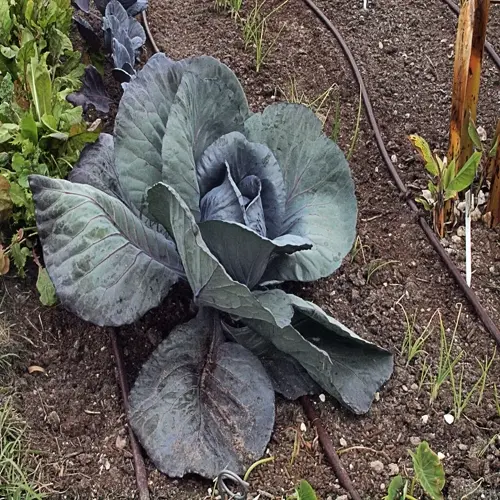
- The problem: Brassicas like broccoli and cabbage pull large amounts of nitrogen from the soil and are slow to give it back.
- Why it matters: Spinach needs steady nitrogen for big, dark leaves, so a hungry neighbor leaves it pale and stunted.
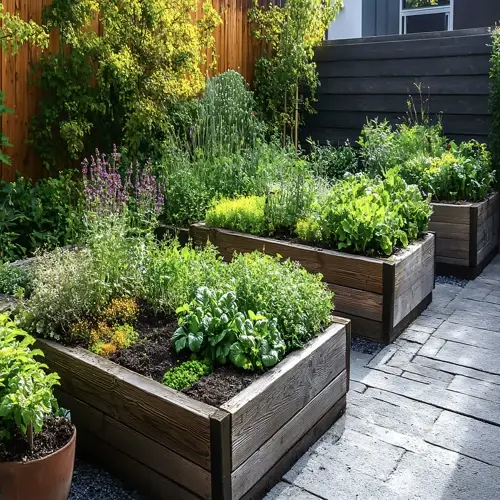
- Better move: Keep these greedy feeders in their own bed and feed spinach its own balanced soil.
Sprawling Vines
- The problem: Squash, melons, and cucumbers send out long runners that creep across the bed and bury small plants.
- Why it matters: Spinach has no way to climb out, so the leaves get covered, lose airflow, and rot in damp weather.
- Better move: Give vines their own corner or a trellis so they grow up and out of your spinach space.
Here is the honest part you should know. Most spinach companion planting claims have weak proof behind them. The science is thin. So treat this as sensible spacing advice, not hard fact. The fight for light, food, and room is real and easy to see in your bed. The old folklore about secret plant friendships is much harder to back up. When you judge a neighbor, judge it by how much it competes, not by superstition.
On the friendlier side, garlic is a commonly suggested good companion for spinach. It grows tall but narrow, so it casts little shade. It also sips nitrogen instead of guzzling it. Many gardeners pair spinach with low herbs and short root crops too. These stay out of your spinach's light and leave plenty of food in the soil for its leaves.
When you plan your spinach garden neighbors, think about height and timing first. Put taller crops where their shadow will not fall on your spinach during the cool weeks. Spinach does most of its growing in that cooler, lower-light season, so every hour of sun counts. A simple trick works well here. Run a low row of spinach east to west and set the big plants to the north of it. That keeps the light open across your spinach all day long.
Now do the same thing for your soil. Keep aggressive feeders in a separate bed so your spinach holds on to its nitrogen. That nitrogen is what builds the thick, dark leaves you actually want to harvest. You do not need to chase a long list of perfect plant pairings. Get the height and the feeding right, and the rest of the worry around bad neighbors mostly takes care of itself.
Read the full article: Spinach Growing Guide for Sweet Leaves