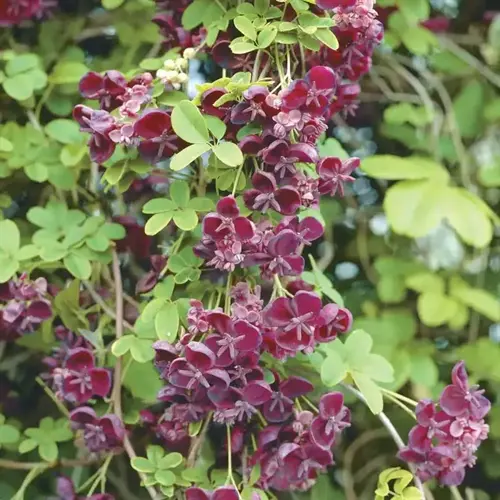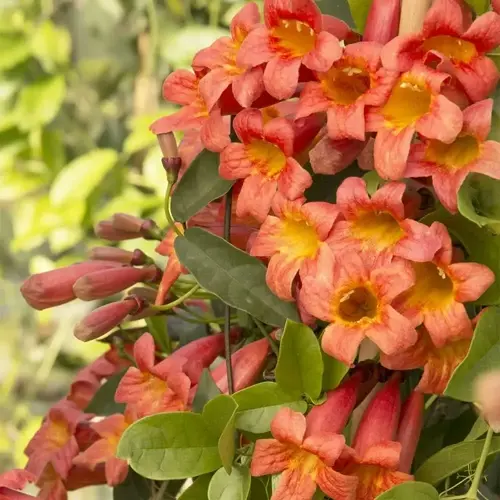

"That shady corner is good enough," my neighbor called over the fence the year I started my first purple vine. I left it there in part shade for a whole season. It sulked, threw out thin shoots, and gave me maybe four flowers. The next spring I dug it up and moved it to my south-facing back fence. The right cup and saucer vine placement is a full-sun, sheltered spot against a south- or west-facing wall, next to a sturdy support. On that warm fence, the same plant took off and climbed past the gutter.
I garden in zone 7, and the move told me everything I needed to know. This is a tender plant from Mexico, so it lives for heat. Give it a sheltered sunny wall that soaks up sun all day, and you get strong growth and heavy bloom. Tuck it in a cold pocket, and it stalls. Your fence or wall does double duty here. It blocks the wind that can shred the soft new growth, and it stores warmth, which your roots and shoots both love. South-facing is the prize spot. West-facing comes a close second, since it catches the warm afternoon sun. Steer clear of a north wall and any low frost pocket where cold air settles.
The RHS lists the same recipe for good reason. You want a sheltered, sunny, west- or south-facing position with moist but well-drained soil. Your soil can be any pH, which makes your job easier. What your vine cannot handle is cold shade or soggy ground. Full sun and steady warmth are what push the heaviest flowering on a tender plant like this one. Skimp on either, and your vine spends its energy on leaves instead of those big bell-shaped flowers. So check how the sun tracks across your spot before you commit. Watch it for a day, and pick the wall that stays bright the longest.
Pick your spot with a few things in mind. You want full sun, a wall or fence that holds warmth into the evening, and ground that drains fast after rain. You also need room above your plant. Your vine climbs 10 to 20 feet (3 to 6 m) in one season, so give it that much vertical space. A low fence or a short post leaves your plant nowhere to go. Plant it where it will not smother a smaller shrub or block a window you care about. If you grow in a pot, set it at the warm base of your wall and keep it watered, since pots dry out fast in full sun. Your roots want to stay moist even while the soil drains well.
The plant climbs with hooked tendrils, not twining stems, so the trellis support matters as much as the sun. Those tendrils grab thin things best. Wire mesh, garden netting, or a grid of strings give them an easy hold. A thick post or a smooth wall gives them nothing to catch. Set your support tall and put it in before you plant, so you do not disturb the roots later. The vine grows heavy with leaves and flowers by late summer, so anchor your support well. On my back fence I ran a simple grid of garden twine between screws, and the tendrils found it in days. You can guide the first few shoots toward the strings by hand, then let the plant take over.
Spacing keeps each of your plants happy and healthy. Leave 8 to 12 inches (20 to 30 cm) between plants along the base of your support. That gap gives each one room to spread its canopy without crowding the next. Crowded vines trap damp air, which invites mildew on your leaves. So space yours out, point them at netting or strings, and keep them off shrubs and downspouts where they can clog your gutters. Give each plant its own patch of your support and its own slice of sun. Do that on a warm, sunny wall, and you will get a wall of flowers from midsummer until your first frost.
Read the full article: Cup and Saucer Vine: Complete Care Guide