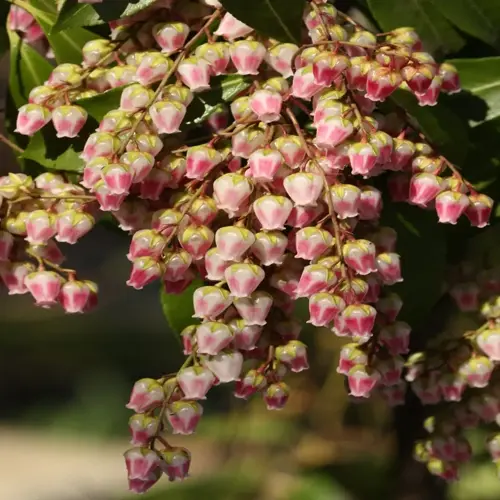

I found my female Nymans pale and washed out last July, tucked in the damp back corner by the woodland edge. Its leaves had faded from deep green to a tired, sickly yellow. We had gone three weeks with no real rain. I soaked the root zone twice that week and laid a fresh layer of bark mulch on top. Within a month the new growth pushed back out a strong, healthy green.
So skimmia leaves turning yellow is almost always a water problem, not a soil one. Most cases of skimmia yellow leaves trace back to dryness or too much sun rather than the wrong soil acidity. Check your watering and your shade before you reach for anything else.
This part trips a lot of people up. The Royal Horticultural Society is clear on it. The yellowing is usually dryness. It is not chlorosis from limey soil. Many gardeners hear the term skimmia chlorosis and assume the soil is too alkaline. So they buy sequestered iron to fix it. But the plant is not a true acid-lover like a camellia or a rhododendron. Iron feeds rarely help when the real trouble is dry roots in baked ground.
Run three quick checks before you treat anything. They take five minutes and they point you straight at the real cause.
- Soil moisture: Push a finger two inches into the ground near the roots. If it feels dry and crumbly, dryness is your culprit and you found it fast.
- Sun exposure: Watch the spot through the day. Skimmia wants part shade, and harsh afternoon sun scorches and pales the leaves over a hot week.
- Winter drainage: Think back to winter. If that spot sat soggy and waterlogged for weeks, stressed roots can struggle and yellow the leaves later in the year.
Dryness and sun cover most cases, but waterlogged winter soil is the sneaky third cause. Roots sitting in cold standing water rot at the tips. They then lose their grip on feeding the plant. The damage often shows up months later as yellow leaves in summer, long after the wet spell has passed. I have seen a healthy looking shrub fade in July purely from a soggy patch it sat in back in February.
Fix the watering and the shade first, because that solves the problem nine times out of ten. Give the plant a deep soak in dry spells instead of a light daily sprinkle that never reaches the roots. A deep drink once or twice a week beats a shallow splash every day.
Mulch is your best friend here. Lay two to three inches of bark or leaf mould over the root zone each spring, keeping it clear of the stem. The mulch locks in moisture, keeps the roots cool, and cuts how often you need to water through the heat of summer.
Does the spot bake in afternoon sun? Move a young plant in autumn to somewhere with dappled light. An older shrub is harder to shift. A temporary shade screen helps, or plant a taller neighbour nearby to take the edge off the worst hours.
Keep in mind that skimmia not acid loving is the key point here, so save your money and skip the iron tonics. Sequestered iron treats a problem this plant rarely has. It just drains your wallet while the leaves stay yellow. Sort out the water, the shade, and the mulch, and the green almost always comes back on its own.
So start simple. Feel the soil, watch the sun, and lay down good mulch. That fixes most yellowing without a single bottle of feed.
Read the full article: Skimmia Japonica: Complete Care Guide