
Your cup and saucer vine not blooming comes down to one of two causes. The first is too much fertilizer, which pushes the plant to grow leaves instead of buds. The second is timing, since this vine flowers late in the season on purpose. Both problems look alike on the trellis. You see thick green growth and no buds. You start to fear a disease that is not there. Most likely your plant is fine, just overfed or early.
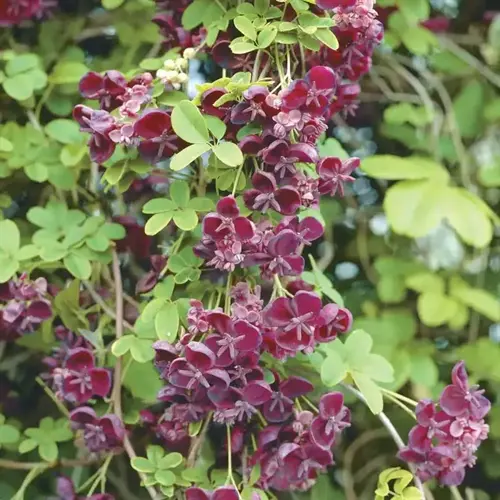
My own plant climbed eight feet up the south-facing back fence by July and stayed bare. Big heart-shaped leaves, fat stems, not a single bud. I stopped feeding it and waited. Late August hit and the purple flowers came in a rush, dozens of them, cup-shaped and tinged green at first. The plant was never sick. It was overfed and early.
Here is what was going on under those leaves. NC State Extension warns that too much fertilizer pushes a cup and saucer vine to make foliage instead of flowers. The RHS says the same thing in reverse and advises a low-nitrogen feed for this plant. Nitrogen is the leaf-and-stem nutrient. Hand the vine a steady supply of it and the plant does the logical thing. It builds more vine. Flowers cost the plant more, so it skips them while the easy green growth keeps coming.
Timing matters just as much, and this is where you should ease up on the worry. This species is a late blooming vine by nature, and that trips up a lot of growers. It flowers from late summer into fall, not in June like a sweet pea or a morning glory. Grown as an annual, your plant spends most of the season just getting tall enough to bloom. So a bare vine in early July is often a healthy vine right on schedule. The buds are coming. You are early, not unlucky, and your plant has done nothing wrong.
Run through a short checklist before you blame a vine not blooming on bad luck. First, the feeding. If you have given it any high-nitrogen plant food this year, that is your most likely cause. Second, sun. This vine wants full sun, which means six to eight hours a day, and a shady spot can stall buds for the whole season. Third, age and stress. A young first-year plant, or one set back by a transplant or a dry spell, will delay flowers while it recovers. Fourth, the calendar. If none of the above fit and it is still midsummer, the answer is patience.
The fix follows the checklist. Stop feeding it now if you have been, and do not add more nitrogen for the rest of the season. The vine has plenty of stored energy and needs to spend it on buds, not leaves. Confirm the plant sits in real sun and move a potted one if it does not. Water on an even schedule so the roots never swing between bone-dry and soaked, since that kind of stress holds back flowers too.
Then give your vine time. A plant that looks lush and green is a plant with everything it needs to bloom. Once your nights cool a little and late summer arrives, watch the tips of the newest growth for you. The first green buds open into cream cups and deepen to a rich purple over a few days. Most growers who think their plant has failed are just looking at it in July. Hold off on the feed, keep it in the sun, and your show starts on its own. If you want the full feeding and watering routine for healthy growth, the main care guide walks you through it.
Read the full article: Cup and Saucer Vine: Complete Care Guide