Ornamental · Asteraceae
Chrysanthemum
Chrysanthemum × morifolium
Stay on top of the pinching all summer, hand them plenty of sun plus reliable watering, and autumn pays you back with color everywhere.
Full sun
Every 2–4 days
USDA 5–9
1–3 ft · 0.3–0.9 m
Overview
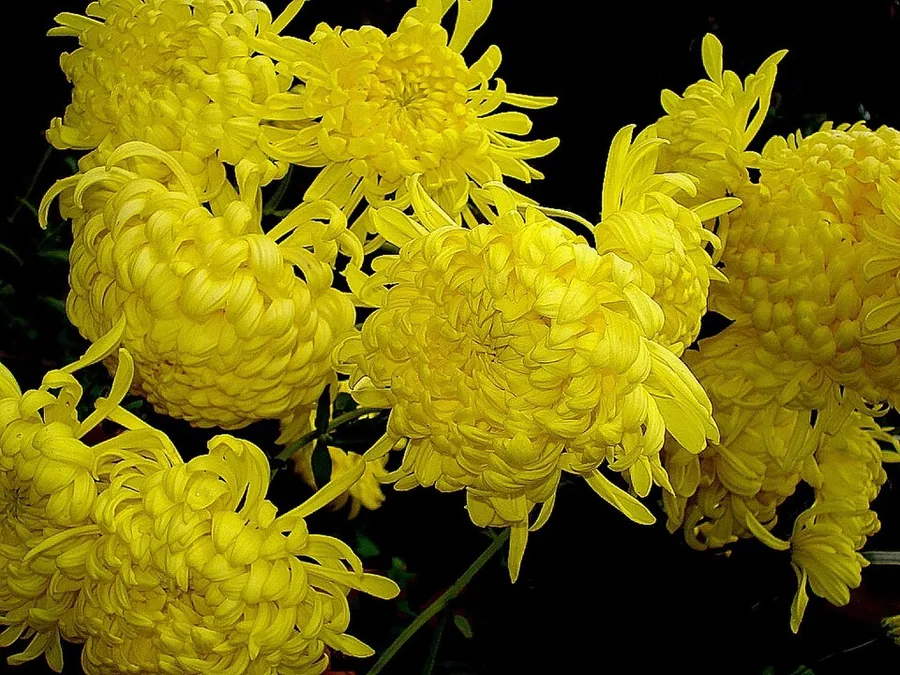
Ask anyone what blooms in autumn and mums are probably the first thing out of their mouth. A relative of the daisy, the plant heaps up flowers in pretty much any toasty color: deep red, pink, gold, rusty orange, take your pick. The kind you'll spot at the shop is mostly the garden mum, a squat, pillow-shaped grower that drowns itself in blossom right as daylight starts shrinking.
People call mums easy, and that holds true so long as a couple of jobs get done. Number one is lots of sun and water that never quits. Number two is pinching across the warm months so the plant stays packed rather than reaching and thin. Forget the pinching and what's left is a leggy, scrawny thing with a handful of blooms stuck out at the ends.
There's a single trap that snares loads of growers. Autumn's flowering mums got bred to dazzle fast, not to be hardy, so a good number simply don't survive the cold months. Stick them in the ground come spring, with dirt that drains, and they bounce back thicker. Grab them in autumn, though, and odds are you're growing throwaways.
Care
The short version: lots of sun, rich dirt that drains yet holds even dampness, a feed once a week the entire time they're growing, and pinch away right up to roughly 100 days before bloom.
Light
What mums chase is at least 6 hours of direct sun each day, with the full blast being even nicer. Hand them heavy shade and they'll lean toward whatever light there is, tip over, and barely set any blooms.
Water
Count on these being big drinkers that crave moisture that's both constant and balanced, above all once buds appear and flowering kicks in. Should they parch, the plant either crawls along or grinds to a halt. Aim the hose at soil level, leave the leaves untouched, and pick ground that empties well so roots stay clear of standing damp.
Soil
What suits them is dirt that's rich and drains yet packs plenty of organic matter and never dries right out. Acidity barely fazes a mum, with the band from 6.0 to 8.0 all fine, so practically any bed works the moment drainage checks out.
Temperature
Few extremes rattle garden mums: settled in the soil they take a chill down near -20°F (-29°C), and a hot stretch reaching about 90°F (32°C) suits them too. Come the cold months, what truly threatens them is sodden, frost-shoved ground rather than the freeze on its own.
Humidity
Whatever moisture the open air offers will do, so forget chasing any reading. The thing that genuinely tips the balance is air on the move, since dead, muggy pockets among packed plants are exactly where mildew sets up shop.
Feeding
Put mums down as big eaters that welcome a weekly hit of balanced soluble feed for the whole stretch they're growing. Cut it off the moment buds show, because anything fed beyond that drives foliage rather than flowers.
Pruning
With a mum, pinching is basically everything. Kick off once it stands around 6 inches tall, nipping away the upper half-inch to inch of fresh growth, and come back to it every 4 weeks until you're near 100 days before bloom. Once a hard frost lands, trim the stems down to 3 to 4 inches off the soil.
Size & spacing
Expect a mature plant somewhere around 1 to 3 feet (30 to 91 cm) high with a sprawl of 12 to 24 inches (30 to 61 cm) across. Plant them 18 to 30 inches from one another so breezes pass through and mildew finds it harder to settle.
When to plant
Shrinking daylight in autumn is the trigger that sets mums flowering, which they keep doing until a hard freeze ends the show. After the biggest, toughest plants? Tuck them in early during spring. Just chasing quick color instead? Drop fresh ones in come autumn. Whichever you pick, the way you pinch across the warmer months sets the shape you'll see once buds open.
Northern hemisphere
Southern hemisphere
Typical months for a temperate climate: start earlier in warm zones, later where spring frosts linger.
- Sow: Not typically started from seed; propagated from spring cuttings or division.
- Plant: Fall or early spring; spring planting yields fuller plants for fall display.
- Harvest: Fall until freezing temperatures.
Hardiness
USDA hardiness zones: 5–9
Temperature: down to -29°C
Troubleshooting
Where mums go wrong usually traces back to how someone raised them, not to plain rotten luck. Stretched stems, plants lost over winter, that white fungus, and a pest here and there account for almost all of it. Spot your symptom in the list and treat what's actually behind it rather than chasing the surface sign.
A plant that thrived in autumn yet vanishes by spring
Losing one over winter generally boils down to soaked dirt and frost shoving the crown around, either heaving it clear of its bed or letting it rot in place. Anything planted late in autumn cops it hardest, the roots having never really dug in. So once a hard frost arrives, cut stalks to 3 to 4 inches, spread a loose, breathable mulch, sort out drainage, and wherever it's an option, set new plants out early in spring for a whole season of rooting.
Fix:
- After hard frost, cut stems to 3-4 in and apply a light, airy mulch
- Improve drainage to reduce standing winter moisture
- Plant in early spring to allow full root establishment
A powdery grey-white haze spreading leaf to leaf
All that flour-like coating is powdery mildew, a fungal pest that gets comfortable once foliage stays soaked and the air goes dead among packed plants. Loosen the planting so breezes move, and aim water low to keep leaves from getting wet. Clip the sorriest leaves off and trash them, never composting them.
Fix:
- Improve spacing and air circulation
- Water at the base and keep foliage dry
- Remove and discard affected leaves
Warped, dotted foliage with a gummy feel
Crinkled foliage, pinprick spotting, and a sticky coat are the calling card of spider mites, thrips, or aphids working the undersides. Hose them off hard, then keep peeking at fresh growth so the following batch doesn't sneak up. Vigorous, unstressed plants paired with a handful of homegrown predators usually keep any flare-up minor.
Fix:
- Spray foliage with a strong stream of water
- Inspect undersides regularly and treat infestations early
- Encourage beneficial insects
Leggy, sagging stalks with hardly a bloom in sight
Got a mum that shot up skinny and refuses to flower? Nine times out of ten it's a missed round of pinching, with weak light piling on. Begin nipping that top inch the moment it stands about 6 inches tall, then circle back every 4 weeks. After that, shift it where 6 hours or more of straight sun land, and leave 18 to 30 inches between neighbors.
Fix:
- Pinch off the top 1/2 to 1 in of growth starting at about 6 in tall, repeating roughly every 4 weeks until the regional cutoff
- Relocate to a site with 6 or more hours of direct sun
- Space plants 18 to 30 in apart
Toxicity
These flowers are toxic, so where they end up should depend on whether animals or little kids roam nearby. Tucked inside the foliage and blooms are sesquiterpene lactones along with pyrethrins, the stuff that turns a horse, dog, or cat queasy, drooly, and unsteady on its legs. Human skin doesn't love those compounds either, which is why gloves earn their keep at handling and trim-back time.
Toxic to
Cats · Dogs · Horses · Rabbits · Livestock · Birds · People
Cats Mild
Let a cat chew on the blooms or foliage and you'll typically see drooling and a vomit, with runny stools trailing close behind. A larger helping can put it off-balance underfoot, while the sap may flush the skin around its muzzle.
Dogs Mild
Those very pyrethrins hit dogs as drool, a queasy gut, and the runs. Down a fair helping and a dog might wobble around, feeling rough for the better part of a day.
Horses Mild
A horse browsing mums usually winds up drooling with a churned-up stomach. Should it plow through a sizable clump, keep watch for one that turns listless and shaky on its feet.
Rabbits Caution
Because the very irritant oils that trouble dogs and cats are in play, mums are a bad fit near rabbits, so steer the plants well clear of any run or hutch. Should one tuck in regardless, look for loose droppings and a subdued bunny that goes off its food.
Livestock Caution
Goats, sheep, and cattle tend to skip the bitter leaves, yet a famished one that does tuck in can drool and come down with scours. Wall everything away from grazing land and you've covered it.
Birds Caution
Birds take pyrethrins badly, so park containers well beyond where caged birds can get and clear of spots where yard hens scratch around. Catch one nipping at bloom or leaf and that's your signal to relocate the pot.
People Caution
Eating it is off the table, and for folks the genuine hazard sits with the skin. Working the foliage and stems can turn touchy hands blotchy and itchy, so pull on gloves and rinse off when you finish.
Contact with foliage can cause dermatitis in sensitive individuals; wash hands after handling.
Helpline numbers

United States
ASPCA Animal Poison Control: (888) 426-4435 (fee applies)
Poison Control: (800) 222-1222



Canada
Poison Centres: 1-844-764-7669
Varieties
A single shop tag tends to hide several genuinely different kinds of mum. Figure out which group you're looking at and you'll know whether it's a keeper or just a one-season splash. The ones below are worth pulling apart.
Florist's chrysanthemum
Forced under glass to crank out large, flashy blooms for the vase, with garden grit nowhere in the plan.
Hardy garden mum
Squat, pillow-form growers selected for a flood of autumn color plus a decent chance of showing up again the following season.
Rubellum Group (old-fashioned mum)
Hardier old-line mums kept around because they reliably reappear season after season, even down where winters bite.
How to propagate
Seed isn't how mums get going. What you do instead is divide what's already growing or strike cuttings from fresh spring shoots. Neither one is hard, and each gives you duplicates of a favorite you've already got.
DivisionEasy
Early spring as new growth appears, about 3-4 weeks after the last killing frost. · One growing season
When fresh shoots break the surface early in spring, around 3 to 4 weeks past whatever frost last killed things off, hoist the entire clump out. Hang on to the lively shoots at the edges with roots still attached, and pitch the spent woody middle that's done flowering. To keep vigor up, split it every year or two; each fresh chunk then wants a whole season's run to bed in.
Stem cuttingsEasy
Spring, from healthy new shoots. · A few weeks to root
During spring, clip tender fresh shoots off a thriving plant and press them into damp medium kept away from harsh light. Within a few weeks they strike roots and turn into duplicates of their parent.
Myths
Any autumn-sold garden mum will return each year regardless of the store.
Mums grabbed mid-bloom in autumn often won't last the cold months, having sunk their reserves into flowers rather than roots. Get them in the ground during spring with crisp drainage and survival rates climb a lot. A whole lot of growers simply run fall mums as throwaways and buy replacements.
A mum will flower nicely all on its own with no trimming at all.
Hands off, and a mum stretches up lanky and flowers weakly. The thing that packs it into that round, crammed mound smothered in autumn bloom is nipping the growing tips across spring and into early summer. Knock it off roughly 100 days ahead of when you'd like flowers and let buds set.