Ornamental · Asteraceae
Cornflower
Centaurea cyanus
Toss some seed into full sun and lean soil, and cornflower hands you true-blue blooms all summer.
Full sun
Every 7–14 days
USDA 2–11
1–3 ft · 0.3–0.9 m
Overview
Cornflower, or bachelor's button if you grew up calling it that, is a cool-season hardy annual in the daisy family, and it's been growing in cottage gardens and grain fields for centuries. That true blue color? Almost nothing else can match it, and the petals are edible too, with a mild spicy-sweet taste. Beyond a bit of sun and some open ground, it barely asks for a thing.
If you're new to all this, cornflower's about as easy as flowers get. It shrugs off poor, dry soil that would do in pickier plants, it takes cold down to USDA zone 2, and it reseeds so freely that one packet often turns into a yearly regular. Give it some room and it'll make a loose, airy clump anywhere from 1 to 3 feet tall.
The catch? It tends to sprawl in shade or rich ground. Plant it somewhere the sun's strong and the soil stays lean, though, and the stems stand straighter while the blue gets deeper. Deadhead the spent flowers and it just keeps going for weeks instead of racing to set seed.
Care
The short version: full sun and average, well-drained soil that's on the lean side. Water when the top half dries out, skip the fertilizer, and snip off the old blooms to keep new ones coming.
Light
Cornflower really wants full sun, a solid 6 or more hours a day. It'll put up with a little light shade, but give it too much and it stretches, leans, and flops instead of standing up nice and tall.
Water
While it's getting established, give it medium, even moisture and let the top half of the soil dry out between waterings, which usually lands around every 7 to 14 days. Once it's settled, it shrugs off drought and low water no problem. The one thing it can't stand is wet, soggy ground.
Soil
Plain old well-drained loam is plenty, and here's the fun part: this plant actually thrives in poor soil. It's happy across a wide pH range from 6.0 to 8.0, so most garden beds will work just as they are, no special prep needed.
Humidity
Regular outdoor air suits it just fine, so there's no number to fuss over. What matters more is good airflow, because crowded, still spots are what invite the rots and rusts that can bother this plant.
Feeding
Cornflower needs barely any feeding, and a lot of the time it does best with none. If you really want to, a light balanced fertilizer at planting is all it asks, since rich ground just grows weak, floppy stems anyway.
Pruning
Deadhead the spent flowers to keep the blooms rolling and to keep its eager self-seeding in line. And if a clump goes leggy midway through the season, cut it back and it'll often push out a fresh round.
Size & spacing
Plants get 1 to 3 feet (30 to 91 cm) tall and spread 12 to 24 inches (30 to 61 cm) wide. Give each one that much space so air can move through and the stems can lean on each other for a bit of support.
When to plant
Cornflower likes to get going while it's still cool out. Sow it indoors 6 to 8 weeks before your last spring frost, or just scatter seed into the ground around that frost date. Got mild winters? A fall sowing gets you earlier flowers, which show up from late spring into summer, roughly May to July.
Northern hemisphere
Southern hemisphere
Typical months for a temperate climate: start earlier in warm zones, later where spring frosts linger.
- Sow: 6 to 8 weeks before the last spring frost
- Plant: Direct sow at the last spring frost date, or in fall in mild-winter climates
- Harvest: Blooms late spring into summer, roughly May to July
Hardiness
USDA hardiness zones: 2–11
Temperature: down to -46°C
Troubleshooting
Cornflower hardly ever gives you grief, and the few problems it does have are easy to spot. Floppy stems? That's too little sun. Sticky leaves? Pests have moved in. Wilting usually just means wet feet. Find what matches what you're seeing below and step in early.
Droopy plants, soft stems, or rusty spots on the leaves
If a plant's drooping even though the soil's still damp, or its base has gone soft and mushy, that's almost always root and stem rot setting in where the ground stays wet. See orange specks on the leaves instead? That points to rust. A badly rotted plant can't be saved, so just pull it, sort out the drainage, and try to keep water off the leaves from then on.
Fix:
- Improve soil drainage
- Avoid overhead watering and overwatering
- Remove and discard affected plants
Stems flopping over and the plant going sprawly
Wondering why it won't stand up straight? Nine times out of ten it's too little light, so a cornflower stuck in shade or a packed bed leans and sprawls, while one out in full sun holds itself just fine. Rich or soggy ground only makes things worse, since it pushes out soft, floppy growth. Move it into the sun, lay off the feeding, and slip a few twiggy stakes around the tall stems to prop them up.
Fix:
- Grow in full sun
- Provide light support or grow-through staking for tall plants
- Avoid over-fertilizing
Sticky leaves and little bugs huddling on the stems
Spot tiny soft bugs bunched up on the stems and under the leaves? Those are usually aphids, and now and then mealybugs tag along. They leave a sticky honeydew behind and curl up the fresh new growth, but they're easy enough to deal with. Knock them off with a hard blast of water, grab some insecticidal soap if a few hang on, and let the ladybugs mop up the rest.
Fix:
- Spray plants with a strong jet of water to dislodge pests
- Apply insecticidal soap if infestation is heavy
- Encourage natural predators such as ladybugs
Toxicity
Honestly, there's nothing to worry about here. Cornflower is listed as non-toxic to pets, livestock, and people, and the petals are even edible, with a gentle spicy-sweet flavor. So plant it wherever you like around cats, dogs, horses, and curious kids.
Safe for
People · Cats · Dogs · Horses · Rabbits · Livestock · Birds
Cats None
Got a cat? No problem here, since cornflower has no toxic compounds, so a nibbled leaf or flower won't do any harm.
Dogs None
A dog can sniff around it or chew on it all it likes, because there's nothing poisonous in cornflower.
Horses None
It's listed as non-toxic to horses, so even a grazing mouthful is nothing to stress about.
Rabbits Safe
Rabbits can munch the leaves and petals as much as they want, since there aren't any toxins in the plant.
Livestock Safe
Cattle, goats, and sheep out in the pasture are totally fine around cornflower, with no risk at all.
Birds Safe
The seeds and flowers are safe for birds, and you'll often catch finches picking at the spent heads.
People Safe
Yes, you can eat the petals, and they've got a mild spicy-sweet taste that's great over a salad or in a cup of tea.
Varieties
Think cornflower only comes in blue? It doesn't. Here are the color forms you're most likely to run into.
Blue cornflower
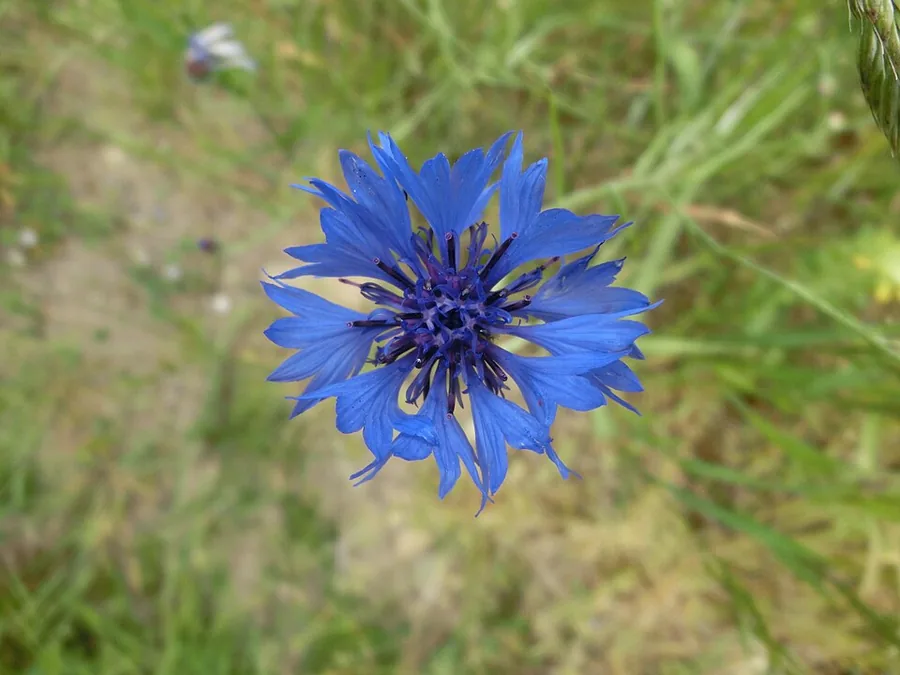
This is the classic everyone pictures, with those deep blue double buttons that gave the plant its name.
Pink and lavender forms
If blue isn't your thing, these bloom in pink, lavender, or purple instead.
White cornflower
A clean white version that softens a planting or rounds out a mixed-color patch.
How to propagate
Cornflower is just about the easiest flower there is to grow from seed, and it happily sows the next batch for you.
SeedEasy
Start indoors 6 to 8 weeks before the last frost, or direct sow at the last spring frost; fall sowing works in mild-winter climates · Germinates and establishes within a few weeks; reseeds readily in the garden
Cornflower's a cool-season hardy annual, and honestly it's happiest grown straight from seed. Start it indoors 6 to 8 weeks before the last frost, or just scatter seed in the ground at the last frost date, and if you've got mild winters a fall sowing works too. It pops up and settles in within a few weeks, and then it reseeds itself freely, so it'll usually come back on its own next year without you lifting a finger.
Myths
Cornflower is poisonous to pets like cats and dogs.
You can let that one go, because Centaurea cyanus is listed as non-toxic to cats, dogs, and horses, and the petals are edible for people too. There's just no toxin here to worry about, so if a pet or a curious kid grabs a nibble, it's really no big deal.
All Centaurea are noxious invasive weeds that should never be planted.
Sure, a few cousins like knapweed and star thistle do go wild, but the annual ornamental cornflower is a tame, easygoing garden flower. Just deadhead the old blooms and its self-seeding stays right where you want it.