Ornamental · Asteraceae
Gerbera Daisy
Gerbera jamesonii
Give it full sun, sharp drainage, and a dry crown, and the gerbera daisy hands you bright blooms from spring to fall.
Full sun
Every 3–7 days
45–75°F · 7–24°C
120–150 days
Overview
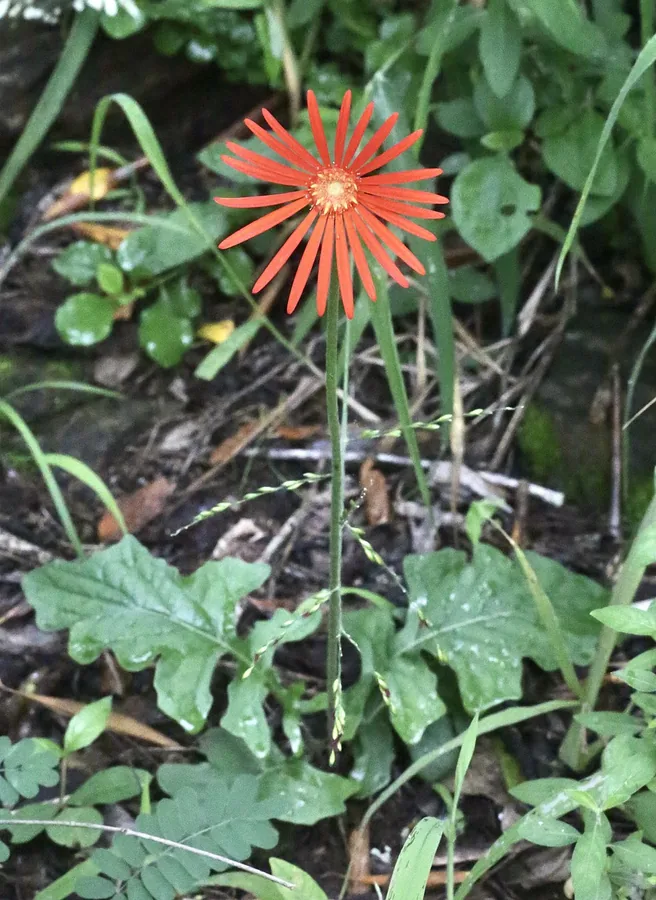
The gerbera daisy is about as cheerful as color gets, with big, flat flowers in reds, pinks, oranges, yellows, and white. It comes from South Africa, where it grows as a tender perennial, and it's in the same big family as sunflowers and asters. If you're not in one of the mild zones, you'll probably grow it as a bright annual or just keep it in a pot you can move around.
People call it fussy, but honestly? It really comes down to water. The plant sits on a low crown that rots the second it stays wet, so the whole game is rich, fast-draining soil and watering in a way that lets the crown dry between drinks. Get that part sorted and the rest is a breeze.
Give it full sun, a little elbow room, and a quick deadheading about once a week, and it'll pay you back with months of flowers on tall, clean stems. And those stems? They make it one of the best cut flowers you can grow right at home.
Care
The short version: full sun with a little afternoon shade when it's hot, rich soil that drains fast, steady moisture while keeping the crown dry and up high, and a regular deadheading habit to keep the flowers coming.
Light
Gerbera daisies really want full sun, so we're talking six or more hours a day. A bit of afternoon shade is nice where summers get hot, but too much shade and you'll end up with leggy plants and hardly any flowers.
Water
Keep the soil evenly moist but never soggy, and let the crown dry out between waterings. Water down low early in the day and skip the overhead sprinkler, because wet crowns and leaves are basically how rot and disease get their start.
Soil
Plant it in rich, well-drained loam with lots of organic matter mixed in. It likes things a touch acidic, around a pH of 5.5 to 6.5, and if there's one thing to nail, it's good drainage.
Temperature
It's happiest between 45°F to 75°F (7°C to 24°C) and won't survive a frost. Too much heat past that can put the brakes on flowering, so a little shade during the hottest stretch of summer goes a long way.
Humidity
Regular household humidity is totally fine, so there's no number to chase here. What matters way more is good airflow, because still, crowded air is what brings on powdery mildew.
Feeding
Feed it every two weeks through the growing season with a balanced liquid fertilizer, or go with a controlled-release feed applied 2 to 3 times over the year. Keep an eye out for iron and manganese shortfalls, which turn the new leaves pale, and fix them when they show up.
Pruning
There's basically no pruning beyond deadheading. Just snip off the spent blooms as they fade and the plant keeps cranking out new ones, often for months.
Repotting
Move a potted gerbera into fresh mix every 1 to 2 years, or sooner if you notice roots circling, fewer flowers, or soil that dries out really fast. And always set the crown right at the surface, never below it.
Size & spacing
These stay pretty compact, hitting 6 to 18 inches (15 to 46 cm) tall and spreading 9 to 15 inches (23 to 38 cm) wide. Give each one some room and a bit of airflow and you'll keep mildew from showing up.
When to plant
The gerbera daisy loves warmth and can't handle frost at all, so timing really matters. Start the seed indoors in late winter, get your plants outside once the spring cold is gone and the soil's warmed up, and then you've got flowers from late spring straight through autumn.
Northern hemisphere
Southern hemisphere
Typical months for a temperate climate: start earlier in warm zones, later where spring frosts linger.
- Sow: 8 to 10 weeks before the last spring frost
- Plant: after the last spring frost when soil has warmed
- Harvest: late spring through autumn
Hardiness
USDA hardiness zones: 8–10
Temperature: down to -12°C
Troubleshooting
Almost every gerbera problem comes back to water sitting somewhere it shouldn't, with pests a pretty distant second. Keep an eye on the crown and the leaves, because that's where the first signs pop up. Match what you're seeing below and jump on it early.
The plant tips over with soft brown rot down at the base
What's going on here is crown and root rot, and it's the number one way people lose a gerbera daisy. It shows up when the soil stays too wet or the crown got planted a bit too deep, and the strange part is the plant wilts even though the ground is soaking. So pull the sick ones, tuck them back in with the crown sitting right at the soil surface, and water down low early in the day so the roots get to dry out.
Fix:
- Remove affected plants
- Improve drainage with raised beds or containers
- Replant with the crown level at the soil surface
- Water at the base early in the day
A dusty white film showing up on the leaves
See that dusty white stuff? That's powdery mildew, a fungus that loves muggy air and plants packed in close together. It'll rub right off the leaf, and the foliage under it can go yellow. The fix is easy enough: open things up so air can move, keep the leaves dry, and only bother with a fungicide if it really gets away from you.
Fix:
- Improve air circulation
- Avoid wetting foliage
- Apply an appropriate fungicide if severe
Speckled yellow leaves, faint webbing, or twisted new growth
When leaves get speckled and yellowy or the new growth comes in twisted, that's usually sap-sucking pests at work, think spider mites, aphids, thrips, and whiteflies. Want to catch them? Flip the leaves over and look at the undersides, where you'll find the bugs themselves or, with mites, a bit of webbing. Give the foliage a good rinse, then treat with insecticidal soap or neem oil and keep at it, following the label, until they're gone.
Fix:
- Rinse foliage
- Apply insecticidal soap or neem oil
- Repeat applications as directed
Toxicity
Good news if you've got pets or kids: the gerbera daisy is non-toxic across the board. The ASPCA says it's safe for cats, dogs, and horses, and there's no toxin to worry about for other animals or a curious kid.
Safe for
People · Cats · Dogs · Horses · Rabbits · Livestock · Birds
Cats None
Cats? No problem at all. The ASPCA has the gerbera daisy down as non-toxic, so if one sneaks a nibble, it's really nothing to stress about.
Dogs None
Dogs are fine too. There's nothing toxic in it, though a dog that scarfs down a big pile of any plant might feel a bit off for a while.
Horses None
Horses can hang out near it with no worries. The ASPCA gives it a clean bill for them as well.
Rabbits Safe
Rabbits are totally fine around the flowers and leaves, since there's nothing toxic to trouble them.
Livestock Safe
Got livestock grazing nearby? No poisoning risk here, so they're good.
Birds Safe
Birds, whether pets or the backyard kind, can share the space no problem, because it's got no toxins in it.
People Safe
And it's safe for people, so even little ones grabbing at those bright blooms are just fine.
Varieties
Gerbera daisies come in just about every color you can think of, but a few named ones are worth knowing for what they bring to a planting. These are the ones to look for by name.
Mardi Gras
This one's a showoff, giving you a mix of bright ray colors all on the same plant.
Rainbow
A series that packs a big spread of flower colors onto neat, compact little plants.
Green Kermit
Kind of a quirky pick, with double blooms and a green center that really stands out.
How to propagate
There are two easy ways to get more gerbera daisies: split up a clump you've already got, or grow new ones from seed. Both take a little patience, but neither one's tricky.
DivisionModerate
Early spring or after flowering · Several weeks to a few months
Once a clump has filled out, you can dig it up and split it in early spring or after it's done flowering, just keep each piece's crown right at the soil surface. Then give it time, because a fresh division needs anywhere from a few weeks to a couple of months to settle in and grow on its own.
SeedModerate
Start indoors 8 to 10 weeks before last frost · Several months to first bloom
Want to grow from seed? Start it indoors 8 to 10 weeks before the last frost and just lay it on the surface, since the seed needs light to sprout. Keep it warm and evenly moist, and don't rush it, because a seed-grown plant takes several months before that first flower shows up.
Myths
Gerbera daisies are toxic to cats and dogs like many other daisies.
This is just a case of mistaken identity with the gerbera's rougher cousins. The ASPCA lists Gerbera jamesonii as non-toxic to cats, dogs, and horses, and it's honestly not the same plant as the daisy relatives that do cause trouble.
Gerbera daisies like to be kept constantly soggy.
Nope, soggy roots are exactly what does them in. Soil that never dries out leads straight to crown and root rot, so give it well-drained ground and let that crown dry between drinks.