Herb · Polygonaceae
Garden Sorrel
Rumex acetosa
Keep cutting the young leaves and garden sorrel just keeps handing back tart, lemony greens all season.
Full sun
Every 3–7 days
30–75°F · -1–24°C
60–90 days
Overview
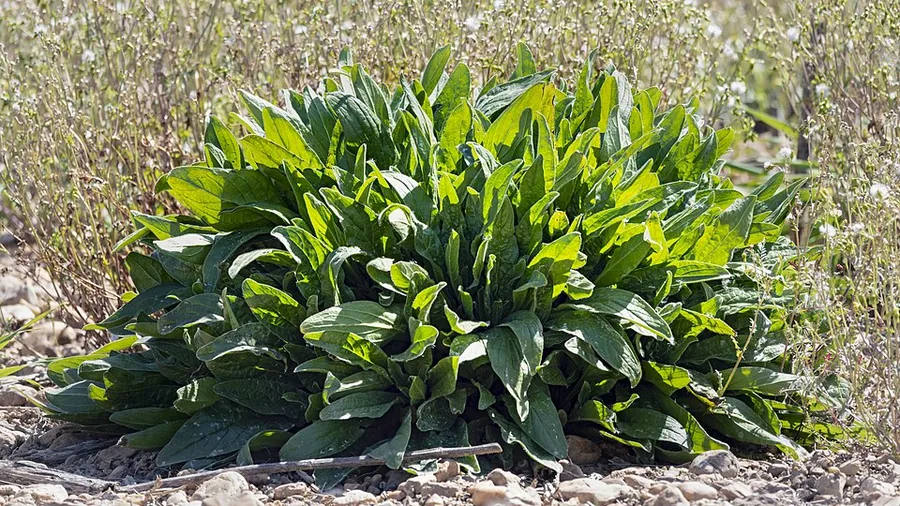
Garden sorrel is a tough little perennial grown for its bright, lemon-sharp leaves. It's part of the dock family, and people have been picking it from gardens and meadows for centuries, back when it was one of the very first fresh greens to show up in spring. And while most salad plants throw in the towel when the cold rolls in, sorrel just keeps on going.
So what's with that sour kick? It comes down to the oxalic acid in the leaves, the same stuff that gives sorrel its tart, tangy bite and the reason it's best eaten in moderation. Young leaves are soft and mild, but let them get old and they turn tough and bitter, which is exactly why it pays to cut them early and cut them often.
Here's the good news: sorrel is about as easygoing as a kitchen-garden plant gets. Give it damp, fertile soil and a little sun, keep those flower stalks snipped, and a single clump will keep feeding you for years before it even thinks about needing a split.
Care
The short version: sorrel wants full sun to light shade, steady moisture, and rich, well drained soil. Cut the outer leaves often, snip off flower stalks as they pop up, and you'll keep the leaves tender and the plant cranking out more.
Light
Sorrel loves full sun, but it's totally fine in partial shade too, and honestly a bit of shade is a plus where summers get hot, since it slows down that rush to bolt. The only thing it won't like is deep shade, where the leaves come up thin and sparse.
Water
Try to keep the soil evenly moist, watering about every 3 to 7 days and a bit more when things dry out. That steady moisture is what keeps the leaves tender, and it also holds back the early flowering that makes them turn bitter, so don't let it bake.
Soil
Plant sorrel in fertile, well drained loam with a good bit of organic matter mixed in. It likes things a touch acidic, around a pH of 5.5 to 6.8, but it's really not picky and will grow in just about any halfway decent garden soil.
Temperature
Cool to mild weather is its happy place, roughly 30°F to 75°F (-1°C to 24°C), and a light frost doesn't faze it at all. What it doesn't love is real summer heat, which pushes it to bolt, so spring and autumn are when it's at its best.
Humidity
Regular garden air does the job just fine, somewhere around 40% to 70%, and there's really nothing to measure here. Good airflow matters way more for healthy leaves than any humidity number ever will.
Feeding
Give it a feed in spring with a balanced or nitrogen-rich fertilizer, or just top it with compost, to keep the leaves coming. One feed a season is usually all it wants, so no need to keep fussing.
Pruning
Pick the outer leaves often, since sorrel's a cut-and-come-again kind of crop, and snip off any flower stalks the second you see them to keep the leaves tender. Once it flowers, don't be shy: cut the whole thing back hard and it'll bounce back with a fresh flush of leaves.
Repotting
A clump stays going strong for 3 to 4 years before the middle gets crowded and starts slowing down. When you notice the center struggling and the leaves shrinking, just lift it and split it up to get things fresh again.
Size & spacing
Plants get to around 12 to 24 inches (30 to 60 cm) tall and spread out 12 to 18 inches (30 to 45 cm) wide. Give each clump about that much space so it can fill in properly and air can move around it.
When to plant
Sorrel is cold-hardy, so it gets going nice and early. You can start seed indoors in late winter, or just sow it straight outside once the soil's workable in spring, and then you're cutting leaves right through the season until frost. Easy, right?
Northern hemisphere
Southern hemisphere
Typical months for a temperate climate: start earlier in warm zones, later where spring frosts linger.
- Sow: 6-8 weeks before last spring frost
- Plant: Early spring as soon as soil can be worked; cold-hardy and tolerates light frost
- Harvest: Cut outer leaves young and often through the growing season; remove flower stalks to keep leaves tender and mild
Hardiness
USDA hardiness zones: 3–9
Temperature: down to -40°C
Troubleshooting
Honestly, sorrel doesn't cause much drama, and when it does, it usually shows up on the leaves. A couple of pests and that summer dash to flower are behind nearly all of it. Just find your symptom below and jump on it early.
Tall reddish stalks shoot up and the leaves go sour
When it gets hot and the days stretch out, sorrel starts bolting, throwing all its energy into a flower stalk instead of new leaves. Once that happens, the leaves get tough and bitter. No big deal though: snip the stalks off the moment they show up, cut the plant back hard, and it'll push out a fresh batch of tender leaves from the base.
Fix:
- Cut off flower stalks promptly
- Shear plant back to encourage fresh basal leaves
Pale squiggly trails wandering across the leaves
Those squiggles are down to leaf miner grubs, the babies of a little fly that burrow between the top and bottom of the leaf. Hold a leaf up to the light and you'll usually spot the grub or its specks tucked inside the trail. Just pick off the affected leaves and bin them, and clear out any wild dock growing nearby, because that's where these pests tend to come from.
Fix:
- Pick off and destroy mined leaves
- Remove nearby wild docks that host the pest
Curled, sticky new leaves covered in tiny bugs
Those little green or black dots on the newest leaves? Those are aphids, and they're busy sucking the sap. Flip a few leaves over to check for colonies underneath, then blast them off with a strong jet of water. If they keep coming back, a spray of insecticidal soap does the trick, and going easy on the nitrogen makes the plant less of a magnet for them.
Fix:
- Spray off with a strong jet of water
- Apply insecticidal soap if persistent
Toxicity
So is sorrel safe? Pretty much, with a little common sense. For people it's a real edible green in normal kitchen amounts, though the leaves pack plenty of oxalic acid, so big helpings aren't a great idea and pets should only nibble. The one thing to actually watch is grazing livestock, since they can eat enough to make themselves sick.
Toxic to
Cats · Dogs · Horses · Rabbits · Livestock · Birds
Safe for
People
Cats Mild
A quick nibble usually won't bother a cat, but if one goes for a real mouthful of the sour leaves, it might drool, paw at its mouth, or throw up. Best to keep it to the odd taste.
Dogs Mild
Most dogs won't blink at a leaf or two. But a bigger helping of those oxalate-rich leaves can leave one drooling, off its food, or dealing with a loose, unhappy stomach for a bit.
Horses Mild
A horse nibbling a little sorrel is fine. It's the amount over time that matters, since the oxalates can upset the gut and, in real quantity, put a strain on the kidneys.
Rabbits Mild
For rabbits, sorrel's a small, once-in-a-while treat and nothing more. That tart oxalate load means a big serving can bring on soft stools or a mild upset tummy, so it shouldn't ever be the main event in their greens.
Livestock Moderate
This is the one to take seriously. Cattle, sheep, and goats that graze hard on Rumex leaves can take in enough soluble oxalate to end up weak, off in the gut, and, in bad cases, with kidney damage.
Birds Mild
A peck at the leaves probably won't hurt your hens or other poultry, but with all that oxalic acid, it's really not a green to hand them in any real amount.
People Edible in moderation
Sorrel's a lovely tangy green for salads and soups, and a normal serving is perfectly safe to eat. Just keep in mind those leaves are high in oxalic acid, so go easy on big raw helpings, especially if you're prone to kidney stones.
Consume sorrel in moderation; the high soluble-oxalate content is a concern in large quantities, particularly for grazing animals.
Helpline numbers

United States
ASPCA Animal Poison Control: (888) 426-4435 (fee applies)

United Kingdom
Animal PoisonLine: 01202 509000 (fee applies)

Australia
Animal Poisons Helpline: 1300 869 738
Varieties
Most of the sorrel out there is just the plain garden species, and that's perfectly good, but a couple of named picks are worth chasing down if you want less bolting or a nicer-looking leaf.
Rumex acetosa 'Profusion'
This one's almost seed-sterile and hardly ever bolts, so it just keeps giving you tender leaves long after regular sorrel has packed up and gone to seed.
Blood-veined sorrel (often sold as a sorrel form)
It's got green leaves streaked with gorgeous deep red veins, which is why it turns up in salad bowls and flower beds alike.
How to propagate
Want more sorrel? It's dead simple, whether you're starting from a seed packet or splitting a clump that's already in the ground.
SeedEasy
Spring, after the last hard frost or started indoors 6-8 weeks earlier · 60-90 days to a harvestable plant
Most folks just start sorrel from seed, sowing it shallow into moist, fertile soil in spring, or indoors 6 to 8 weeks before the last frost. Thin out the seedlings so each clump has room to spread, and you'll be snipping leaves within 60 to 90 days.
DivisionEasy
Early spring or autumn · A few weeks once divisions root and resume growth
Got a clump already going? It's super easy to split in early spring or autumn. Just dig it up, pull or cut it into chunks that each have some roots and a growing point, and pop them back in. They'll settle in within a few weeks, which both perks up a tired plant and gives you free new ones.
Myths
Sorrel is poisonous, so you should never eat it.
Not really. Sorrel's a traditional edible green that folks have eaten for centuries, and a normal serving is totally safe. The one catch is its high soluble-oxalate content, which makes big raw amounts something to watch if you're prone to kidney stones, or for livestock grazing on it heavily. Eat it in moderation and it's food, plain and simple, not something off a poison list.