Ornamental · Poaceae
Switchgrass
Panicum virgatum
Hand it full sun and lean soil, and this grass keeps standing tall all the way from summer into winter.
Full sun
Every 7–14 days
60–90 days
USDA 3–9
Overview
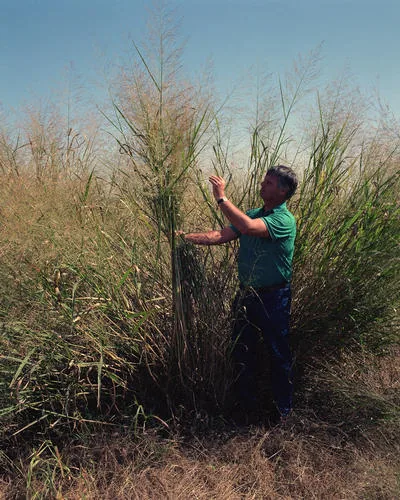
So what is switchgrass? It's a warm-season native off the North American tallgrass prairie, and it hauls all that prairie grit right into the garden. You get an upright, vase-shaped clump of skinny blades that shoot up into soft, pink-tinged panicles by the middle of summer. Then, as things cool down, the whole thing goes golden-tan and keeps its shape well into the cold months.
Here's the best bit: it barely asks for anything. It laughs off cold as low as -40°F (-40°C), doesn't mind drought or a soggy patch, and it'll grow in clay, sand, thin dirt, even salty ground. The only thing it won't stand for is being fussed over, since rich, damp soil and shade leave it soft and floppy, so keep it lean and sunny and it'll stay nice and upright.
Why grow it? Mostly for the shape and the way it moves, more than any big flower show. The blades wave at the tiniest puff of wind, the seed heads keep the birds fed, and that clump left standing over winter gives shelter and something to look at once everything else has packed it in. Trim it back once in late winter and honestly, that's about all it wants.
Care
The short version: full sun and lean, well-drained soil, barely any water once it's settled, and next to no feeding. Give it a hard chop in late winter, and split the clump every few years when the middle starts thinning out.
Light
Switchgrass is a sun lover, plain and simple, so give it full sun if you can. Sure, it'll cope with partial sun or a little shade, but you'll pay for it with soft, leaning growth, so the sunnier the spot, the more upright and sturdy it stays.
Water
Keep it watered through the first season while the roots settle in, and after that? Barely any. Once it's established it takes drought and even flooding without a fuss, happy in anything from wet to dry soil.
Soil
This one's easy about soil. It'll grow just about anywhere, wet or dry, clay or sand, and salt doesn't faze it either. It's happiest on the lean side at a pH of 5.0 to 8.0, because rich ground just makes it flop over.
Temperature
It's a real tough cookie, shrugging off winter cold down to -40°F (-40°C) and summer heat up to 100°F (38°C). That covers pretty much any temperate garden, no special protection needed.
Humidity
Outdoor humidity? Not something to worry about, so there's no level to fiddle with. What counts more is good airflow, because those crowded, muggy clumps are exactly where a bit of rust likes to show up.
Feeding
In most gardens you can just skip the fertilizer. Rich or over-fed soil pushes weak, floppy stems, so at most give it a light spring feeding, and only if the ground's really poor.
Pruning
Cut the clump down to a few inches above the soil in late winter or early spring, before the new growth kicks off. Until then, leave the foliage and seed heads standing all winter, both for the look and for the critters that shelter in there.
Repotting
Every few years, lift and split the clump, or do it sooner if the middle dies out and goes bare. A thinning ring of growth, or flowering that's fallen off, is your hint it's time to divide and replant.
Size & spacing
Figure on 3 to 6 feet (91 to 183 cm) tall, even taller once it flowers. Leave each clump 2 to 3 feet (61 to 91 cm) of space so air can move around and that upright shape has room to do its thing.
When to plant
Switchgrass runs on warmth, so don't expect much until things heat up. Start seed indoors in late winter after a cold, damp chill, pop plants outside in spring once the frost's gone or in early fall, and then just watch the flower heads climb up from midsummer into a long winter show.
Northern hemisphere
Southern hemisphere
Typical months for a temperate climate: start earlier in warm zones, later where spring frosts linger.
- Sow: Late winter to early spring, 6 to 8 weeks before last frost; seed benefits from cold-moist stratification
- Plant: Spring after last frost, or in early fall; warm-season grass that establishes as soils warm
- Harvest: Airy pink-tinged panicles from mid to late summer (July onward), maturing to golden-tan and persisting into winter
Hardiness
USDA hardiness zones: 3–9
Temperature: down to -40°C
Troubleshooting
Good news? Switchgrass hardly ever gives you grief, and when it does, it's usually about where it's planted, not some bug or disease. Spot the early signs below and the fix is nearly always easy: a bit more sun, leaner soil, or a well-timed split.
New seedlings turn up and the old clump goes hollow in the middle
A happy switchgrass throws off loads of seed and creeps along on short rhizomes, so little seedlings pop up nearby and it can wander off further than you'd like. Not keen on that? Snip and clear the seed heads in fall before they drop, and dig out any strays. Down the line the middle of the clump dies out too, and that's just your sign to lift it, split off the healthy outer bits, and replant.
Fix:
- Cut back and remove seed heads before they drop if self-seeding is unwanted
- Dig and remove unwanted seedlings
- Lift, divide, and replant vigorous outer divisions when the center dies out
Stems lean over and the clump splits open in the middle
When the clump flops and splays out, it's nearly always too much shade or soil that's too rich and damp, both of which push out soft, weak stems. Move it into full sun and go easy on the water and feed so things firm up. And if your ground's naturally lush? Grab a really upright cultivar like 'Northwind' or 'Heavy Metal', then cut the clump back hard in late winter for a fresh start.
Fix:
- Move or plant in full sun
- Withhold fertilizer and avoid rich, overly moist soil
- Choose sturdy strongly upright cultivars such as 'Northwind' or 'Heavy Metal'
- Cut back hard in late winter to renew growth
Rusty orange specks or dark smutty patches on the leaves
Hot, sticky weather can bring on rust, dusting the leaves with orange-brown pustules, and every so often smut blackens the tissue instead. Neither one really hurts it, though. Open the clump up with a bit more room or a split, keep it in full sun where the air moves, and just trim off the marked foliage come late winter.
Fix:
- Improve air circulation by proper spacing and dividing crowded clumps
- Cut back and remove affected foliage in late winter
- Site in full sun with good airflow
Toxicity
Worried about the pets? Don't be. As a garden ornamental, switchgrass is safe around cats, dogs, rabbits, birds, and people, with nothing nasty in the clump you're growing. The one thing to keep an eye on is grazing animals, since its natural saponins can cause photosensitization in livestock, sheep most of all and horses a bit less, if they tuck into a lot of it as forage or hay.
Safe for
People · Cats · Dogs · Horses · Rabbits · Livestock · Birds
Cats None
A little nibble of the ornamental grass? No toxin, no harm at all. Like with any tough leaf, a big mouthful might come right back up, but there's really nothing to stress about.
Dogs None
Dogs can chew on it or brush right past without any worry. There's nothing in the clump that could poison them.
Horses Caution
A horse nibbling a blade here and there is fine, but scarfing a lot over time can lead to liver-linked photosensitization, with jaundice and sunburn-like sores on pale or exposed skin. Keep an eye on grazing anywhere this grass takes over the pasture.
Rabbits Safe
Rabbits can graze switchgrass no problem, since there's no toxin in the leaves or stems.
Livestock Caution
Sheep are the ones to watch most, and goats and cattle can react too: heavy grazing or switchgrass hay can trigger liver damage and photosensitization, showing up as jaundice and sunburn-like sores on light skin. Just keep this grass a small part of what they eat.
Birds Safe
Birds happily eat the seed and hide out in the foliage, no trouble at all. It's a go-to for food and cover, not a hazard.
People Safe
For people? Handling and growing switchgrass is completely fine, and the clump's safe to have around kids too.
Safe for pets and people as a garden ornamental. However, switchgrass and other Panicum species contain steroidal saponins (yielding diosgenin) that can cause hepatogenous photosensitization (liver damage with sunburn-like skin lesions) in grazing livestock, especially sheep, goats, and horses, when they graze or are fed large amounts. This is a grazing/forage concern only and does not affect the safety of the ornamental clump for cats, dogs, or humans.
Varieties
Plain switchgrass? Totally fine. But the named ones are where it gets fun, and they mostly split by height, how upright they stay, and what color they turn in fall. Here are the ones worth a look.
Heavy Metal
A skinny, stiffly upright grass with metallic blue-green blades that switch to clean yellow once fall rolls in.
Northwind
If you want one that won't flop, this is it, a sturdy, super-upright pick holding an olive-green column that stays put.
Shenandoah
Its leaves pick up a red tinge that keeps deepening to wine-red as late summer and fall come around.
Cheyenne Sky
A shorter, tidier choice that colors up early, going wine-red way before the taller ones do.
Cloud Nine
A big one, easily 6 feet or more, with blue-green blades and a soft, billowy look.
Companions
Switchgrass shines next to sun-loving prairie flowers that share its taste for lean, dry ground, setting off their bloom with its upright blades and seed heads.
Plant near
Echinacea purpurea (purple coneflower): Classic prairie/meadow companion with matching full-sun, lean-soil needs and contrasting flower form
Rudbeckia (black-eyed Susan): Native prairie partner sharing sun and soil tolerance for naturalistic plantings
Sedum / Hylotelephium (autumn stonecrop): Sun-loving, drought-tolerant companion that complements the grass for fall and winter interest
How to propagate
Want more switchgrass? There are two ways to go, and it really comes down to whether you care about keeping a named cultivar exactly true.
DivisionEasy
Spring as new growth begins, or early fall · One growing season
Splitting the clump is the surest bet, and it's the only way to keep a named cultivar exactly true. In spring as growth wakes up, or in early fall, dig up an established clump, chuck the dead middle, and replant the strong outer chunks. They'll settle in and fill out inside a single growing season.
SeedModerate
Sow indoors in late winter or direct sow in spring; cold-moist stratification improves germination · One to two growing seasons
Seed's easy enough, but heads up, the seedlings vary and won't match a named cultivar. Sow indoors in late winter or sow straight outside in spring, and a cold, damp chill first really helps them come up. Since it's a warm-season grass, it waits for warm soil to sprout, then takes one to two growing seasons to fill out.
Myths
A tough native prairie grass like switchgrass never runs into garden trouble and can't hurt a thing nearby.
It's low fuss, sure, but that's not the same as trouble-free. It flops in too much shade or rich, wet ground, it self-seeds enough to spread around, and its old center dies out and needs splitting. It's totally harmless to pets and people, though its steroidal saponins can bring on photosensitization in grazing livestock, sheep most of all and horses a little less, if they eat a lot of it.