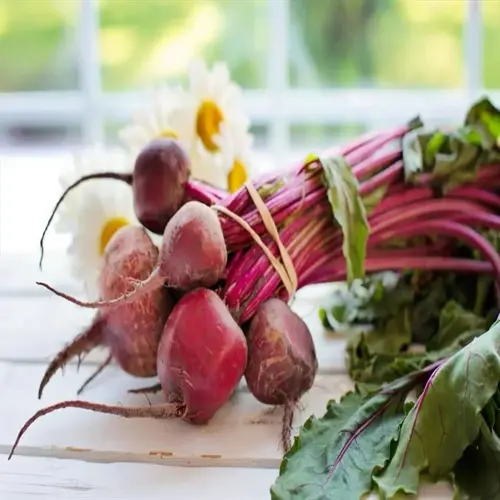
I pulled a handful of carrots from under a thick blanket of straw mulch in early December, and they were the sweetest roots I had grown all year. The top of my raised bed of sandy loam had frozen hard, but the carrots below stayed firm and crisp. Those roots came from seed I had dropped into the soil back in October. That is the whole case for planting carrots october style. It is also the start of overwintering carrots in the right spot.
So can you do the same? Yes, but only if you live in a mild climate. Cold regions are a different story. In a warm zone the ground stays soft and workable late into the year. Your seed gets the warmth it needs, and the roots size up before deep cold arrives. In a cold zone the soil chills too fast, and the seed never gets going.
The deciding factor is simple. Carrot seed has to sprout, and the root has to reach a usable size before a hard freeze locks the ground solid. In mild areas you still have enough warm soil left in October for that to happen. In cold regions the soil drops below the point where carrots will sprout. The seed just sits there until spring, or it rots in place.
Frost is not the enemy here. A light frost makes carrots taste better, not worse. The plant turns its stored starch into sugar to guard itself from the cold. So roots you pull after a frost are sweeter than ones you pull in warm weather. That is why my December carrots beat anything from the summer beds. The cold did the work for me.
Before the ground freezes, cover your carrot bed with a deep layer of straw or shredded leaves. The mulch keeps the soil soft, so you can dig fresh carrots all winter and they hold their sweet flavor in the ground.
Fall carrots can stay right in the ground through winter when you mulch them well. Garden pros say to do this. Add a thick layer of straw or leaves before the ground freezes (University of Maryland Extension). You can find the same advice from the team at Michigan State University Extension. Both groups note that the roots taste sweeter once a frost has hit them. So you get a longer harvest and a sweeter crop from one simple step. That is a strong reason to mulch your bed.
Before you sow a thing in October, check two numbers. Find your first-frost date and look up your local growing zone. You want at least 60 to 70 days of workable soil before a hard freeze. With that much time, you have room to try. If your ground turns hard by early November, save the seed for spring instead. Your frost date tells you which side of the line you fall on.
Soil temperature matters just as much as the calendar. Carrot seed likes soil that sits above 50°F (10°C) to sprout well. A cheap soil thermometer takes the guesswork out of it. If the bed reads warm in the afternoon sun, your seed has a real shot. Keep the top of the bed damp for the first two weeks, since carrot seed dries out fast and sprouts slow in cool ground.
Pick the right variety for a late start. Reach for fast-maturing carrots that finish in about 55 to 65 days. Skip the slow types that need 80 days or more, since you do not have that long. Small, quick types like Nantes or Napoli handle a short window well. For any fall carrot sowing, sow a bit thicker than you would in spring. Cool soil sprouts fewer seeds, so the extra seed makes up for it. Then mulch heavy and let the cold sweeten the crop. Done right, planting carrots october style hands you fresh roots when most beds sit bare.
Read the full article: Carrot Growing Guide: Seed to Harvest