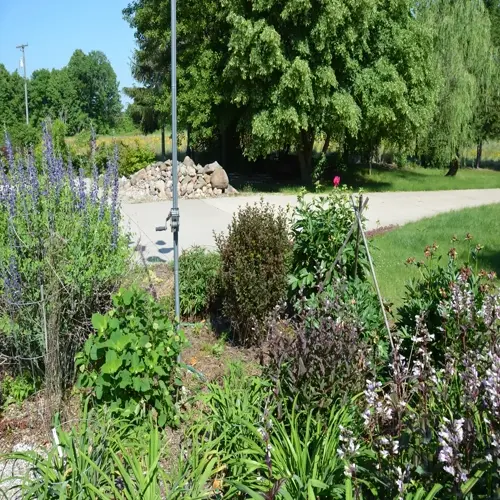

I planted my Mountain Fire in the damp back border under a tall oak, right at the woodland edge of my Zone 6 garden. The new spring growth glows flame-red there. The older leaves stay deep and glossy all summer. I tucked a second one into a brighter, hotter spot near the driveway, and its leaf tips turned crispy and brown by July. The question of pieris sun or shade comes down to that contrast. The shrub prefers partial shade and only tolerates full sun in cooler regions.
So if you have one open question about light, here is the short version. Treat Pieris japonica as a partial shade shrub that wants a few hours of gentle morning sun and protection from the harsh afternoon. Dappled light under high tree limbs is close to perfect. The plant comes from cool, moist mountain woodlands, and your garden spot should mimic that as much as you can manage.
Partial shade wins for two reasons that show up fast on the foliage. The first is leaf scorch. Full sun on a hot, dry site pulls more water from the leaves than the shallow roots can replace. The edges brown and curl as a result. The second reason is pests. The University of Illinois Extension and UConn both note that plants baking in sun draw far more lace bugs. These bugs feed on the leaves and leave a pale, stippled speckling across the top of each one. The damage shows worst on plants in the hottest, sunniest spots.
Shade fixes both problems at once. It keeps the shallow roots cool and the soil evenly moist, which is exactly what this shrub needs. Cooler, shadier foliage also stays cleaner and far less attractive to lace bugs. You get the rich green leaves and bright new growth that make this plant worth having in the first place. A spot that gets sun until about noon and shade after that hits the sweet spot for most gardens.
Your region changes the math more than anything else. NC State lists Pieris japonica as full sun to partial shade, with some shade preferred in southern gardens. In cooler northern zones, more sun is fine and even helps the flowers and red new growth color up. The extra light there does not bring the same heat stress, so the leaves stay clean. In warm regions, give it afternoon shade without fail, or the leaves pay the price during a heat wave. The hotter your summers run, the more shade your plant will thank you for.
Wind matters as much as sun, and people miss this part. Avoid harsh, exposed, windswept sites where the air dries out the broadleaf evergreen foliage. Winter sun is the sneaky one. On cold, bright days the leaves keep losing moisture while the frozen roots cannot resupply it, and that scorches the foliage by spring. A spot sheltered from north and west winds keeps the leaves whole through the cold months.
Put all of the pieris light requirements together and you have a clear plan. Choose a sheltered, partly shaded spot with rich, acidic, moist but well-drained soil. Mulch over those shallow roots with a couple inches of bark or leaf mold to hold water and keep the soil cool. Go heavier on shade the farther south you garden, and lean toward more morning sun the farther north you go. A north or east-facing bed near a wall or hedge blocks the worst of the wind and the low winter sun. Get the light right and your plant stays lush, clean, and bright for years.
Read the full article: Pieris Japonica: Grow, Care, Safety Guide