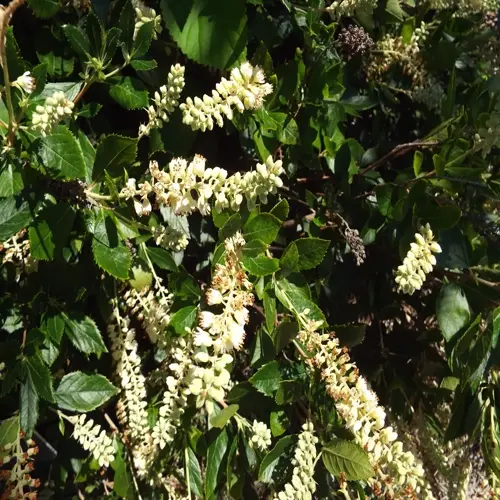

Yes, euonymus toxic to dogs is a real concern, and the plant is risky for most other pets too. Every part can cause problems if your dog eats it, but the good news is that the overall severity is generally low. A nibble usually means an upset stomach, not an emergency. Still, the bright orange-red seeds are the kind of small, shiny thing a curious dog or a young child might pick up off the ground. That makes euonymus pet safety worth a quick think before you plant one near a play area or a dog run, since pets explore the yard with their mouths.
The whole shrub carries the toxic compounds, not just one part. The bark, leaves, fruit, seeds, roots, sap and stems are all toxic in quantity, so there is no truly safe piece to chew on. Dogs would have to eat a fair amount to feel the worst of it, which is why most cases stay mild. A passing chew on one leaf is far less of an issue than a dog that strips a low branch.
When a dog does eat enough, the signs show up in the gut and energy levels. Watch for vomiting, diarrhea, weakness and chills in the hours after they snack on the plant. NC State Extension notes one helpful detail. Euonymus does not cause contact dermatitis. So a dog brushing against the leaves or resting in its shade is fine. The risk comes from eating the plant, not from touching it or lying near it.
Timing matters more than people expect. In fall the fruit splits open and drops its seeds right at ground level where a dog can reach them. People often ask are euonymus berries poisonous, and the answer is yes, just as much as the rest of the plant, and they sit there in plain sight. So your risk is highest in autumn when the berries are present and falling. A shrub your dog ignored all summer can suddenly tempt it. The seed capsules pop open and scatter across the soil and mulch below, right where a nose goes first.
You can keep the plant and still keep your dog safe with a few simple habits. Site euonymus away from spots where your pets graze, sniff and roam. The edge of a lawn or a favorite resting place are the worst places for it. A fence line or a bed behind a low border works better. During fall, rake up fallen fruit and seeds every few days so they never pile up within reach. A quick sweep after a windy day handles most of the cleanup. If you grow a fruiting variety and have a young dog, you can also shear off the seed capsules before they ripen.
If your dog does eat a noticeable amount, do not wait it out. Call your veterinarian or a pet poison line and tell them how much you think your dog ate and when. A single curious mouthful of leaves is rarely a crisis, but a dog that gulps down a handful of berries deserves a phone call. The vet can tell you whether to watch at home or come in, which beats guessing on your own.
Watch for vomiting, diarrhea or weakness, remove any remaining fruit within reach, and call your veterinarian or a pet poison line if your dog has eaten more than a nibble.
Read the full article: Euonymus Shrub: Care, Types and Honest Guide