
One spring my Mountain Fire Pieris in the damp back border under the oak pushed out maybe four sad flower clusters. The long white chains I planted it for were almost gone. I had run the shears over it the autumn before to neaten its edges. So pruning pieris timing is the whole point here, and no, you should not cut Pieris back in autumn. The next fall I left it and trimmed in late spring instead. The March after that the shrub dripped with white bells again.
Here is your short answer in one line. Good pruning pieris timing means you wait until the spring bloom finishes, and you never cut in fall. Snip it in autumn and you take off the buds that hold next year's whole show. Get the season right and you keep every flower.
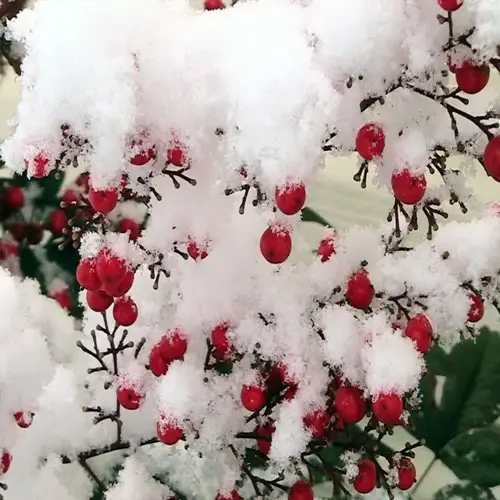
The reason comes down to old wood. Pieris sets its flower buds through the summer on growth that has already matured that year. By late summer those buds are fully formed and they ride the stems all the way through winter. NC State and UConn both place this shrub among the old-wood bloomers, so next spring's buds are sitting there in plain sight long before the first frost arrives.
That fact settles the question of when to prune pieris for good. Any cut you make in autumn or winter takes off the very buds that were waiting to open. The plant looks neat right after a fall trim, sure. But you traded the flowers for that tidiness, and you will not see the cost until spring, when bare gaps show up exactly where the blooms should have been.
Wait until the white flower chains turn brown and start to drop. That late-spring window is the only safe time to cut. Prune then and the plant has the whole summer ahead to set fresh buds for next year.
When you prune after flowering, keep the work light. Snip off the spent flower clusters first so the plant pours its energy into new leaves and buds instead of into seed. Then take out any dead wood and any stems that cross and rub against each other. Step back often as you go and follow the loose rounded shape the shrub already wants to hold.
Skip the hedge shears for this one. A hard, flat shearing slices straight through the buds and leaves stubby brown ends that take months to hide behind new growth. Pieris carries a layered, slightly open habit, and it looks its best when you thin it by hand. Reach in with bypass pruners and remove whole stems back to a branch point rather than buzzing the outer surface flat. Clean cuts here heal faster and keep the shrub looking like itself rather than a green box.
Have an old shrub that has gone leggy and bare down at the base? You can bring it back, but ease into the work over time. Take out the oldest third of the stems at ground level, then repeat that over the next two or three years rather than gutting it all at once. Even this harder reset still belongs in that same window just after bloom, so the plant keeps a full bud-setting summer ahead of it.
If your hands itch to garden in fall, point them somewhere safe. Rake the leaves that pile under the shrub, top up the mulch over its shallow roots, and give it a deep drink before the ground freezes. All of that helps the plant without touching a single flower bud.
Build the habit and your Pieris pays you back. Make every cut in the few weeks right after the spring flowers fade, and let the autumn tidy-up urge go. Do that and next March you get the full curtain of white bells instead of a neat green shrub with nothing on it.
Read the full article: Pieris Japonica: Grow, Care, Safety Guide