
A fistful of just-cut sweet peas and roses sits in a jam jar on my kitchen windowsill, and the scent fills the whole room by noon. I grew and cut these myself this morning. That soft, old-fashioned smell is the heart of the look. The best cottagecore plants are fragrant, ruffled, pastel blooms. The classics are roses, foxglove, hollyhock, sweet peas, delphinium, lavender, and daisies.
These plants share a few traits that make them read as cottagecore flowers at a glance. The colors stay gentle, think blush pink, cream, soft lilac, and pale blue. The shapes feel romantic too. You get ruffled petals on roses, tall flower spires on foxglove and delphinium, and an easy, slightly wild way of growing.
Fragrance matters just as much as looks here. Sweet peas and old roses carry a heavy perfume that drifts on a warm evening. A modern hybrid rose might look perfect but smell like nothing at all. I noticed this fast when I planted two rose bushes side by side one spring. When you pick varieties, read the label and choose the scented ones, even if the bloom looks a little less tidy.
The nostalgic feel comes from plants your grandmother might have grown. Hollyhocks climb tall against a fence or wall and reach up to 8 feet in good soil. Foxgloves and delphiniums add the same vertical drama with their spires. These cottage classics have a storybook quality that newer bedding plants rarely match.
Roses and Sweet Peas
- Scent: Both carry a strong, sweet perfume that defines the romantic mood you want from a cottage border.
- Form: Roses bring ruffled, layered petals while sweet peas climb and tumble for a soft, casual look.
- Tip: Pick old garden roses or David Austin types for the heaviest fragrance and that full, cupped bloom shape.
Foxglove, Delphinium, Hollyhock
- Shape: All three grow as tall flower spires that add height and a dreamy, layered feel to any bed.
- Color: Choose pastel pinks, creams, and pale blues to keep the gentle palette that reads as cottagecore.
- Note: Foxglove is toxic if eaten, so plant it away from spots where small children or pets play.
Lavender and Daisies
- Lavender: Adds soft purple, a calming scent, and a tidy mound that ties looser plantings together.
- Daisies: Bring a simple, cheerful charm with white petals and yellow centers that feel relaxed and old-fashioned.
- Use: Both work well at the front of a border or spilling over a path edge for a casual finish.
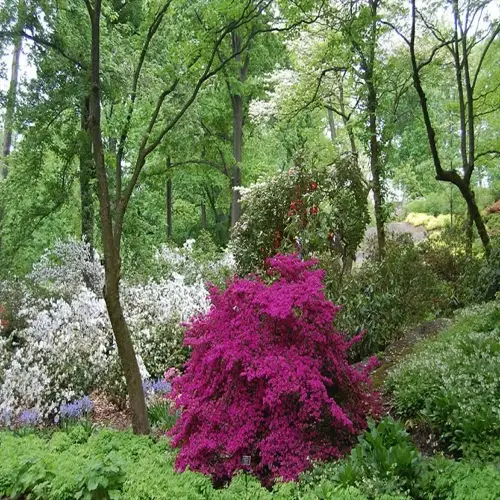
To pull the dreamy look together, plant a few of these in soft drifts instead of stiff rows. Pair tall spires of foxglove or delphinium at the back with roses in the middle and lavender or daisies up front. Let them grow close so they tumble into each other. That relaxed, overgrown feel is what sells the whole scene.
Keep to a tight color range and the planting will feel calm rather than busy. Stick with two or three soft shades, like pink, cream, and pale blue, and add white to brighten the mix. A small patch of well-chosen romantic garden plants beats a crowded bed of clashing colors every time.
This pick of cottagecore plants is about mood and romance, not just easy care or heavy yields. A practical best-plants list ranks blooms by how tough or fast they are. Here you choose for scent, soft color, and that nostalgic charm. A plant can be a workhorse in the garden and still feel wrong for this look if it has no perfume or grows in stiff, modern shapes.
So lean into the romance and trust the old favorites. Start with scented roses and sweet peas, add one tall spire like foxglove or delphinium, and tuck lavender and daisies along the front edge. You can grow all of these from a few seed packets and a couple of plants. That mix gives you the full cottagecore feel in a single season, scent and all.
Read the full article: 20 Best Cottage Garden Plants for Charm