
I paced out the north-side foundation bed under the kitchen window. Then I stepped back twice before I set the Emerald Gaiety wintercreeper there about eight years ago. I left a full arm's length between it and the path on purpose. The best euonymus planting spot is one you match to the plant's grown size, its light, and good drainage. Squeeze it against a wall to save room and you trade a few inches now for years of cutting it back later.
Good drainage is the one rule you should not bend on for a euonymus planting spot. Euonymus takes most soils, from clay to sand to lean ground, but it sulks in waterlogged soil and can rot at the roots. Pick a bed that drains after rain. A gentle slope or a raised bed works well, while a low corner where puddles sit is the wrong call.
Light is the next big factor in your euonymus planting location. Per Clemson Extension and NC State Extension, the genus handles full sun to deep shade, which is why it fits so many tricky yards. Plain green and groundcover types take shade with no fuss. Variegated and fruiting types want more sun to hold their bright color and set berries, so give those the brighter beds.
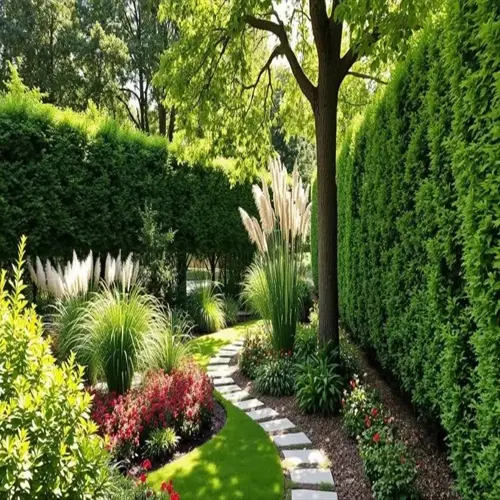
Leave room for the grown plant and you will prune far less down the road. Check the mature spread of your exact species first. Then space it so the canopy fills in without crowding paths, walls, or its neighbors. A low wintercreeper needs much less room than a burning bush. That bush can reach the size of a small tree at 15 feet or more. The roots stay fairly shallow, so the canopy size is what should guide your spacing. When in doubt, give it more room than less. A plant with space around it gets better airflow too. Good airflow cuts down on the powdery mildew that euonymus can pick up in damp, crowded corners.
These shrubs shrug off rough sites that beat most plants. Both Clemson and NC State note that euonymus puts up with road salt and city grime. That makes it a smart pick for a parking strip, a curbside bed, or a tight city yard. Got a hard spot near pavement where little else grows? This is often the best spot for euonymus to earn its keep.
A few site choices can save you real trouble. Keep euonymus out of wet low spots where water collects. Give variegated types the sun they need so the color does not fade to plain green. Most of all, keep the invasive types away from woodland edges. Burning bush and wintercreeper escape from yards and spread into wild ground fast.
- Drainage: Pick a spot with well-drained soil, since euonymus tolerates most soils but not waterlogged ground.
- Light: Give variegated and fruiting types more sun for color, and save shade for plain green or groundcover types.
- Room: Leave space for the species mature size so the plant fills in without crowding paths or walls.
- Keep invasive types like burning bush and wintercreeper away from woodland edges, and confirm local rules first.
Before you dig the hole, check your state and county rules. Some states ban or limit burning bush and wintercreeper as weeds. The law may settle the question for you. If your top pick is off the table, ask your local nursery for a native shrub that fits the same spot. Then choose a well-drained bed with the right light for the grown size. Do that and your euonymus settles in with very little help from you.
Read the full article: Euonymus Shrub: Care, Types and Honest Guide