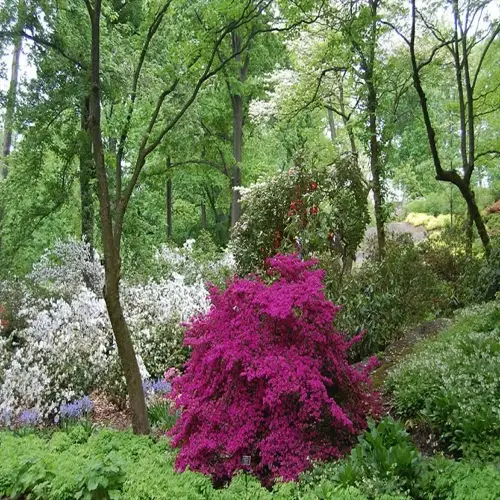

Picture pressing papery brown bulbs into cool October soil, then walking past that same bare patch in April to find it packed with color. The best flowers to plant in October are spring bulbs and a handful of tough perennials. You can put in tulips, daffodils, alliums, and hyacinths right now. You can also add hardy plants like coneflower, yarrow, and bearded iris while the soil stays workable.
Fall planting bulbs works because of what the cold does underground. Spring bulbs need a long chill before they will flower at all. Your bulbs sit in soil that drops to about 35 to 45°F (2 to 7°C) for several weeks, and that cold spell tells each bulb to form its flower bud. Skip the chill and you get leaves but no bloom. October gives the roots time to settle in before the ground freezes hard.
The classic spring blooming bulbs are your safest bet if this is your first fall garden. Daffodils come back year after year, and squirrels leave them alone because they taste bitter. Tulips give you the boldest color, though they often fade after a season or two in most yards. Alliums hold tall purple globes well into early summer when most bulbs are long done. Hyacinths pack a heavy scent into a small space, so a few go a long way near a door or a path you walk every day.
Hardy perennials are the other group worth your time this month. Coneflower, yarrow, and bearded iris all settle their roots through fall and come back stronger each year. I planted a row of coneflower last October and they shrugged off a hard winter the way the bulbs did. I always tuck perennials in at least four to six weeks before the first hard freeze so the roots can grab hold. Give them that head start and they wake up early and full in spring.
Depth and spacing decide whether you get a thick show or a thin scatter. The rule of thumb is simple: plant each bulb about two to three times as deep as it is tall, with the pointy end facing up. Crowd them a little for impact, but give the bigger bulbs room to bulk up underground. I recommend you dig one wide hole for a whole group. That beats poking a separate hole for every bulb, and it saves your back. A loose handful of bone meal in the bottom of the hole feeds the roots through their first cold season.
Plant your bulbs in clusters of five to seven rather than single straight lines, and the patch reads as a real drift of color in spring. Water the bed once right after planting to settle the soil around each bulb and close any air pockets. Then leave it alone through the cold months. The winter chill and the rain do the rest of the work for you, and you get your payoff the moment spring warms the ground again. Mark each spot with a short stake or a label so you do not slice through a bulb when you dig in spring. If deer or voles work your yard, lay a sheet of chicken wire just under the soil over the bed. That one cheap step keeps your hard work safe until the first green shoots break through.
Read the full article: 20 Best Cottage Garden Plants for Charm