Ornamental · Dryopteridaceae
Autumn Fern
Dryopteris erythrosora
Pop it into moist shade and the autumn fern lights up the season with copper-red new fronds.
Partial shade
Every 5–7 days
USDA 5–9
18–30 in · 45–76 cm
Overview
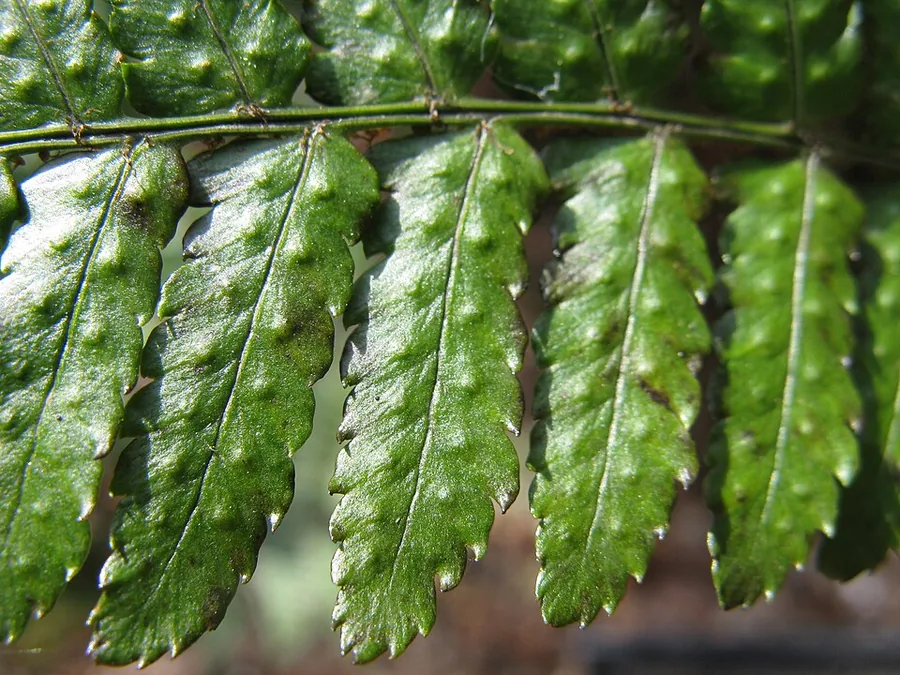
The autumn fern is a tough, great-looking woodland fern out of East Asia, and it's grown for the copper-red color of its new fronds. They come up bronze to orange-red in spring, then deepen into a glossy green as the year goes along. It holds its shape through the cold and stays evergreen in milder gardens, so the bed never ends up looking bare.
What's the catch? Honestly, there isn't much of one, because it's an easy plant. Give it the shade and steady moisture it likes and it doesn't ask for much else, and once it's settled in it shrugs off dry shade and short dry spells better than most ferns. Deer tend to leave it be too, which makes it a solid pick for a woodland edge.
There's one thing to think about before planting, though: it creeps along by underground rhizomes and can spread further than you'd expect. North Carolina Extension flags it as potentially weedy, so it's worth a quick look at your regional guidance before it goes in the ground.
Care
The short version: part to full shade in rich, humusy soil that stays evenly moist. Water it through the first season to get it going, tidy up the old fronds in late winter, and after that it pretty much takes care of itself.
Light
Give it part to full shade, the kind of dappled light you'd find on a woodland floor. It'll take some morning sun no problem, but harsh afternoon light scorches the fronds unless the soil stays reliably moist.
Water
Keep the soil evenly moist, especially through that first growing season while the roots are getting established. Watering every 5 to 7 days works for most spots, and once it's settled the fern handles short dry spells and dry shade better than most.
Soil
Plant it in humus-rich, well-drained loam that's packed with organic matter. A slightly acidic pH of 5.0 to 6.5 suits it best, and plenty of leaf mold or compost keeps the ground moist without letting it go soggy.
Temperature
It's hardy and seriously cold-tough, taking winters down to -20°F (-29°C) and warmth up to around 86°F (30°C). That covers USDA zones 5 through 9, and at the milder end it stays evergreen.
Humidity
Average humidity around 40% to 70% keeps the fronds in good shape. Like most ferns it isn't a fan of dry air, so a shaded, sheltered spot with moist soil does more for it than chasing any one humidity number.
Feeding
It's a light feeder, so there's no need to overdo it. A spring topdress of compost or leaf mold feeds it well, or you can use a balanced slow-release fertilizer just once as growth gets going.
Pruning
It barely needs cutting back at all. In late winter to early spring, before the new fronds unfurl, clear out any tattered, old, or winter-damaged fronds to make room for the fresh growth.
Repotting
If it's in a container, repot it every 2 to 3 years, or whenever roots start pushing from the drainage holes and the soil dries out fast. A crowded rhizome lifting at the surface is another sign it's after more room.
Size & spacing
Figure on a clump 18 to 30 inches (45 to 76 cm) tall that spreads 24 to 35 inches (60 to 90 cm) wide. Leave room for that spread, and keep in mind it can creep even further by rhizome as time goes on.
When to plant
There aren't any flowers to time here and no harvest to chase, so planting's the only date you really need to think about. Set it out in spring once the frost has passed, or in early autumn while the soil's still warm enough for the roots to settle before winter shows up.
Northern hemisphere
Southern hemisphere
Typical months for a temperate climate: start earlier in warm zones, later where spring frosts linger.
- Plant: Spring after last frost, or early autumn
Hardiness
USDA hardiness zones: 5–9
Temperature: down to -29°C
Troubleshooting
Just about every problem with this fern shows up in the fronds, and most of them come back to too much sun, too much wind, or the wrong amount of water. Read what the fronds are telling you and the fix is usually pretty simple. Find your symptom below and deal with it before more fronds go the same way.
Frond edges gone brown and crispy in the sun
Seeing bleached or brown edges? That's sun scorch, and it usually tags along with soil that's gone dry, showing up worst on whatever fronds are sitting in that hot afternoon light. Nudge the plant into deeper shade, or just rig some cover over it, then water it deeply and mulch so the moisture sticks around. Trim off the rough fronds and you'll see fresh ones come through soon enough.
Fix:
- Relocate or shade plants receiving harsh afternoon sun
- Water deeply and mulch to retain soil moisture
- Trim badly damaged fronds to encourage fresh growth
Fronds turning yellow while the whole fern struggles
When the whole plant starts going yellow, that's a moisture problem at the roots, and it can go either way. Soggy, waterlogged soil drowns the roots, but soil that keeps drying out leaves them parched, so it's worth checking which way yours leans before doing anything. Work some organic matter in, or move the fern off standing water so it drains, and then just settle into a steady routine that keeps the soil evenly moist.
Fix:
- Improve drainage by adding organic matter or relocating from standing water
- Establish a consistent watering routine to keep soil evenly moist
Fronds looking ripped and ragged where the wind hits
Strong, drying wind is rough on these soft fronds, fraying their edges, and you'll spot the tearing on whichever side faces the breeze, with no spots or bugs to go along with it. So snip off the beaten-up fronds and find the plant a sheltered corner, or set up a little windbreak. A tucked-away woodland spot keeps the foliage looking whole.
Fix:
- Remove damaged fronds
- Provide a sheltered planting position or windbreak
Toxicity
No source confirms this fern is poisonous, and its close relatives like the Boston fern are listed as safe for pets, which is good news. But here's the catch: no source confirms this exact species is safe either, so the honest answer is the data just isn't there yet. Until it is, keep pets, livestock, and kids from chewing the fronds as a sensible precaution.
Toxic to
Cats · Dogs · Horses · Rabbits · Livestock · Birds · People
Cats Caution
Here's the thing: no source actually calls this fern poisonous to cats, and easygoing cousins like the Boston fern are listed as safe. Even so, a cat that nibbles a frond might drool or bring a bit back up, so it's smart to keep it out of reach until the species gets the all-clear.
Dogs Caution
There's nothing on record about this fern hurting dogs, and its shield fern relatives count as non-toxic. Still, a curious dog that chews the fronds could end up with a mild upset stomach, and that's reason enough to wave it off.
Horses Caution
No source says one way or the other whether this fern is risky for horses. Without that answer, it's best to keep grazing horses away from it and just watch for any drooling or dullness if some gets eaten.
Rabbits Caution
Rabbits don't show up in any toxicity entry for this fern, so its safety for them is really just unproven. Don't offer any of it, and if a frond gets chewed, keep an eye on the little one.
Livestock Caution
Cattle, goats, and sheep have no recorded reaction to this fern, good or bad. So the move is to fence it off from grazing stock as a precaution rather than just assume it's fine.
Birds Caution
There's nothing on record telling us how birds do with this fern. Keep pet and backyard birds away from the fronds until a reliable source has something to say.
People Caution
No part of this fern is meant to be eaten, and no source backs it up as food. Keep kids from chewing the fronds, and don't go treating it like a wild edible.
No documented toxicity, but no confirmed safety data for this exact species; discourage pets and children from chewing the fronds as a general precaution.
Helpline numbers

United States
ASPCA Animal Poison Control: (888) 426-4435 (fee applies)
Poison Control: (800) 222-1222



Canada
Poison Centres: 1-844-764-7669
Varieties
A couple of named selections show up alongside the plain species, and each one's got its own little twist on color or habit.
'Brilliance'
Its new spring fronds show up in a brighter, deeper red than the plain species, and they hang onto that color further into the season.
var. prolifica
It's a narrow, finely cut form that grows little plantlets right along the frond stem, so it's got a second way to spread on its own.
How to propagate
The autumn fern is easy to multiply, and dividing an established clump is far and away the quickest way to get more of it.
DivisionEasy
Spring or early autumn · 1 to 2 growing seasons
Division is the easy way to go, and honestly it's hard to mess up. Come spring or early autumn, lift an established clump and pull it apart into sections, just keep some roots and fronds on each piece, then give the divisions a season or two to settle in and fill out. Want another option? You can raise new plants from the spores ripening on the frond undersides, but that's a much slower road and it asks for a lot more patience.
Myths
This fern picked up its name because the fronds go coppery when autumn rolls around.
That coppery bronze to orange-red color actually shows up on the new fronds as they unfurl in spring, and then it settles into a glossy deep green by summer. So the name is about spring, not fall. What does turn orange-red come autumn is the ripe spores on the undersides of the fronds.
If it's a fern, it's dangerous for cats and dogs.
Plenty of true ferns in the same family, like the Boston fern and sword fern, are listed as non-toxic to pets by the ASPCA. But no source confirms the status of this exact species, so the safe call is to keep pets from chewing the fronds rather than assuming it acts like its relatives.