Houseplant · Arecaceae
Bamboo Palm
Chamaedorea seifrizii
Hand it bright indirect light and clean water, and the bamboo palm turns a quiet corner into soft, feathery green.
Medium indirect
61–81°F · 16–27°C
USDA 10–11
3–10 ft · 0.9–3 m
Overview
Ever wonder how the bamboo palm got its name? It's all down to those slim, jointed canes that mimic bamboo, even though the plant is a true member of the palm family. It clumps as it grows, and it comes from the woodlands of Mexico and Central America, tucked into the dappled shade under bigger trees. That upbringing in the shadows is exactly why it's so easygoing indoors, perfectly content in the medium light that most rooms already have.
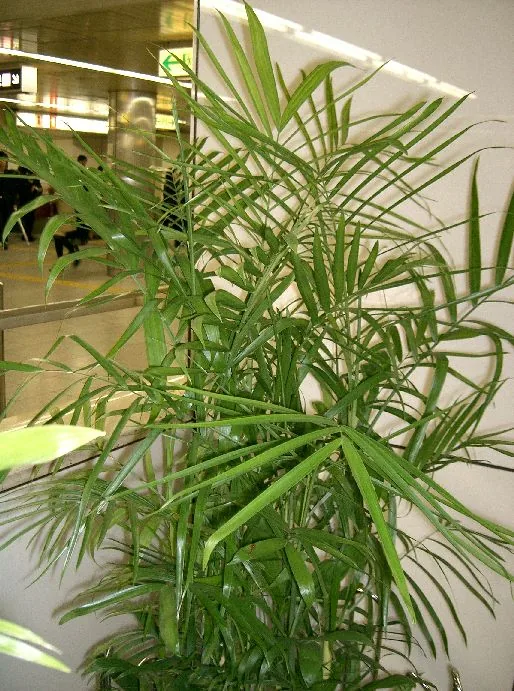
The big draw is that laid-back, tropical feel. A cluster of slim stems sends up arching fronds packed with narrow leaflets, and together they make a soft green screen that warms up a bare corner or tucks into an empty fireplace for the summer. Growth is gentle and slow, so it stays a comfortable size inside, working its way up to anywhere from 3 to 10 feet (91 cm to 3 m) across years instead of seasons.
All it really wants is even moisture, a bit of humidity, and water that isn't packed with fluoride or salts. Nail those and the most you'll typically run into is a handful of brown tips. It's a truly beginner-friendly palm, which is why you'll keep spotting it on roundups of fuss-free indoor plants.
Care
The short version: medium, indirect light and a spot tucked away from harsh afternoon sun. Keep the mix lightly damp but never soggy, reach for distilled water or rainwater so the leaf tips stay happy, and give it a couple of feedings through the warm stretch of the year.
Light
Set it in medium, indirect light, like the spot a few feet back from a sunny window. It handles low light and partial shade better than most palms can, but steer it clear of direct afternoon sun, which will scorch those fronds.
Water
Aim to keep the mix lightly damp but never sitting in water, giving it a good drink once the surface dries and pouring off anything that collects in the saucer. Leave it soaking and you invite root and stem rot. Since the tips don't like fluoride or salts, go with distilled water or rainwater whenever you can manage it.
Soil
Pot it up in a well-drained potting mix that hangs onto a touch of moisture without turning into a swamp. Drainage really is the key here, because the roots will rot in heavy, waterlogged soil.
Temperature
Regular room warmth keeps it cheerful, somewhere around 61°F to 81°F (16°C to 27°C). In winter, keep it above the low 60s and well away from cold drafts and chilly window glass.
Humidity
Ordinary household humidity does the job, though it tips toward moderate to high and will reward you if you give it more. That dry winter air is the usual culprit behind brown tips, so try clustering it with other plants or moving it clear of heat vents.
Feeding
Through the warm growing months, feed it a slow-release palm fertilizer, the sort that doles out nitrogen, potassium, and magnesium slowly over time. Two or three gentle feedings spread over spring and summer are all it needs, and piling on more just risks scorching the tips.
Pruning
Snip off any dead or damaged fronds and spent canes right down at the base. Every stem grows from a single central tip, so steer clear of cutting the crown or growing point, since that'll finish off the whole cane.
Repotting
Plan to repot every 2 to 3 years, or sooner if you see roots circling the pot or poking out the drainage holes and the soil drying out in a flash. Bump it up only one pot size, because this palm is quite happy being a little snug.
Size & spacing
Indoors it works its way up slowly to between 3 and 10 feet (91 cm to 3 m) tall, with the clump spreading 3 to 6 feet (91 to 183 cm) wide. Leave it some breathing room so air can flow through the canes and the fronds aren't squashed against a wall.
Troubleshooting
A content bamboo palm pretty much looks after itself, so when something's off, the leaves usually break the news first. The two you'll bump into most are brown tips and pale, speckled fronds, and once you know the tells, both are simple to spot. Find the symptom that fits below, then go after the actual cause instead of just snipping away the damage.
Dusty, speckled fronds with a bit of fine webbing
When the air indoors turns warm and dry, spider mites love to move in, and they leave behind that speckled look with faint webs threaded through the leaves. Want to be sure? Flip the fronds over and watch for tiny dots that move, or hold a sheet of white paper under a frond and give it a tap to see them drop. Blast the plant with a firm spray of water, bump up the humidity nearby, and keep treating with insecticidal soap or horticultural oil until they're cleared out.
Fix:
- Rinse foliage with a strong stream of water, including undersides
- Raise humidity around the plant
- Treat with insecticidal soap or horticultural oil, repeating as directed
Crispy brown tips and edges showing up on the fronds
Here's the thing: this is nearly always salt and fluoride building up from tap water, not something you did wrong with the watering can. You'll see the browning creep in from the tips of the older fronds while the middle stays nice and green, often with a chalky white crust on the soil or around the pot rim. Give the pot a good flush with distilled water or rainwater, make the switch for daily watering, and back off the feeding a bit.
Fix:
- Flush the pot thoroughly with distilled water or rainwater to leach salts
- Switch to distilled water or rainwater for routine watering
- Raise local humidity and avoid placing near heat vents
- Reduce fertilizer rate and frequency
Toxicity
Sharing your home with pets or little kids? You can relax with this one. The ASPCA marks the bamboo palm as non-toxic to cats, dogs, and horses, and there's nothing harmful in it for other creatures either. A chewed frond here and there might bring on a touch of stomach upset from the fiber, but it isn't going to poison anybody.
Safe for
People · Cats · Dogs · Horses · Rabbits · Livestock · Birds
Cats None
Good news for cat owners: the ASPCA has this palm down as non-toxic, so a curious nibble won't hurt your cat. If one really goes to town on the stringy fronds it might throw up from all that fiber, but the plant itself holds nothing poisonous.
Dogs None
Dogs get the all-clear too, covered by that same non-toxic listing. About the worst you'd expect from a chewed-up frond is a brief spell of mild tummy trouble thanks to the fiber.
Horses None
Horses have nothing to fear from this one, since it's listed as safe and carries no toxic compounds. And honestly, the little leaves are far too small to tempt a horse anyway.
Rabbits None
Nothing in these fronds is poisonous to a rabbit. The leaves are tough and stringy and not really rabbit food, so most bunnies will sniff and walk away rather than tuck in.
Livestock None
Grazing animals won't be poisoned by this palm at all. Being a tropical houseplant, it hardly ever ends up near them, and even a stray leaf holds no toxins.
Birds None
Pet birds can hop around in the fronds with no worries, because there's nothing in the plant that's toxic to them. A pecked leaf tip won't cause any harm.
People None
There's no poisoning risk here for kids or grown-ups. Nobody's growing it to eat, of course, but if a leaf finds its way into a little one's mouth, it's harmless.
How to propagate
You can make more bamboo palm by splitting up a grown clump or by sowing fresh seed, though neither happens overnight. Both lean on patience far more than any special skill.
DivisionModerate
Spring to early summer during active growth · Several weeks to a few months to root and resume growth
Since this palm grows as a clump, you can divide a mature one by easing apart the basal suckers that have already grown their own roots. Aim for spring or early summer when it's putting out new growth, and let each piece take several weeks to a few months to settle and start growing again.
SeedModerate
When fresh ripe seed is available; warm conditions · Germination is slow and may take several weeks to months
Seed is an option whenever you've got fresh ripe seed to work with. Tuck it into warm, moist, well-drained media and settle in for a wait, because sprouting comes slow and uneven and can run several weeks to months before anything pops up.
Myths
That houseplant labeled bamboo palm is actually a type of bamboo.
Nope, it's not bamboo in the slightest. Those jointed, cane-like stems sure look the part, but you're really looking at a clumping palm from the family Arecaceae. Real bamboos sit in the grass family and aren't related at all.
Anything sold as bamboo palm has to be one single species.
Not quite, since the name gets slapped onto a handful of different palms. Chamaedorea seifrizii, the parlor palm Chamaedorea elegans, and the areca palm Dypsis lutescens all go by it, even though they're separate plants that grow in their own ways.