Ornamental · Poaceae
Little Bluestem
Schizachyrium scoparium
Give it full sun and lean, dry soil and this native grass keeps standing tall, right from summer through the dead of winter.
Full sun
Every 10–21 days
USDA 3–9
2–4 ft · 0.6–1.2 m
Overview
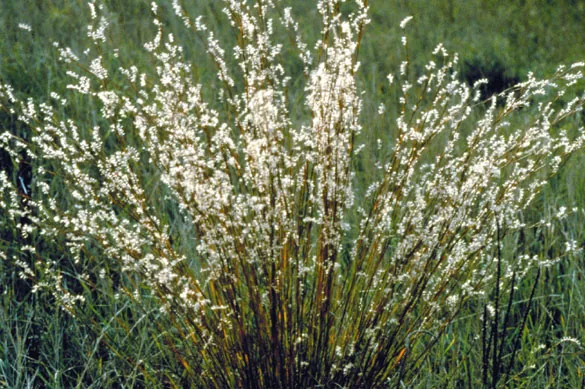
Little bluestem is one of those backbone grasses of the North American prairie, a clump-forming warm-season native that stretches from Canada way down into the South. It grows in a neat upright tuft, usually around 2 to 4 feet (60 to 120 cm) tall, with fine blades that come across blue-gray all summer. Where a lot of ornamental grasses would sulk in poor ground, this one actually loves it.
The real payoff comes late in the year. Once the nights cool down, the leaves turn warm copper, mahogany, and burgundy, and those fluffy silvery seed heads catch the low autumn light. And here's the nice part: the seed heads and standing stems keep their shape all through winter, so you've got food for the birds and some structure in the garden right when everything else has packed it in.
It's about as low-fuss as a plant gets, but it does have one rule it won't budge on: keep it lean and sunny. Rich soil, shade, or too much water make it go soft and flop open in the middle. Basically, treat it a little rough and it'll stand up straight and tall for you.
Care
The short version: full sun, lean well-drained soil, and hardly any water once it's established. Skip the fertilizer completely, and cut the old growth right back to the ground in late winter before the new shoots show up.
Light
Give little bluestem full sun, and honestly, the more the merrier. A little light shade is okay, but push past that and the stems get weak and start leaning, which drags the fall color down right along with them.
Water
Once it's settled in, this is a drought-tough grass that gets by on rain alone. Water just enough to get it going, then ease off. Plants in dry, lean ground stand a whole lot straighter, and roughly every 10 to 21 days is plenty even when it's hot out.
Soil
Lean is the name of the game here. Average, dry to medium, well-drained soil works great, and it's just as content in sandy, rocky, or clay ground. Just keep it out of wet or overly rich spots, because that's where it goes soft and flops. Any pH from 5.5 to 7.5 is fine.
Temperature
Not many grasses are this tough. It brushes off winter lows down to -40°F (-40°C) and summer heat over 109°F (43°C), which is exactly why it grows across most of the continent.
Humidity
You don't need to think about outdoor humidity with a prairie grass. What it really wants is good air movement around the clump, which keeps the odd bit of rust from ever getting a foothold.
Feeding
Just don't feed it. Fertilizer is the fastest way to wreck this plant, pushing out soft, lush growth that flops and loses its color. Lean soil is honestly all it's after.
Pruning
There's really just one cut to make, so it's pretty painless. Shear the old growth right down to the ground in late winter or early spring, before the new shoots break, and the fresh clump fills itself back in.
Repotting
Established clumps almost never need dividing. The tip-off that it's time is when the center dies out or the clump opens up and starts losing steam, and then you just lift and split it in spring.
Size & spacing
Figure on a clump about 2 to 4 feet (60 to 120 cm) tall with a spread of roughly 18 to 24 inches (46 to 61 cm). Set plants at those spacings so each one keeps its neat upright shape with air moving between them.
When to plant
Little bluestem is a warm-season grass, so it holds off until real heat shows up before it gets going. Start seed in early spring, put young plants out after the last frost, and it'll color up and throw its seed heads from late summer into winter.
Northern hemisphere
Southern hemisphere
Typical months for a temperate climate: start earlier in warm zones, later where spring frosts linger.
- Sow: Late winter to early spring, about 8-10 weeks before last frost
- Plant: Spring after last frost into early summer
- Harvest: August to February; reddish-brown flowers followed by fluffy silvery-white seed heads persisting through winter
Hardiness
USDA hardiness zones: 3–9
Temperature: down to -40°C
Troubleshooting
This grass hardly runs into any real trouble, and when it does, it usually comes back to a spot that's just a little too cushy. Read the early signs below and you'll find the fix is more about sun, soil, and holding back than about spraying anything.
Stems leaning over and splaying apart
When the clump leans out and cracks open in the middle, that's lodging, and it usually means the plant's had things a bit too easy. Shade, rich soil, and extra water all push out soft growth that just can't stand on its own. So move it into full sun, put the fertilizer away, and if your spot tends to stay on the lush side, go with a stiff upright cultivar like Standing Ovation or Blue Heaven.
Fix:
- Site in full sun
- Grow in lean, dry, well-drained soil with no added fertilizer
- Reduce supplemental watering once established
- Choose sturdy upright cultivars such as Standing Ovation or Blue Heaven
Little seedlings showing up nearby
Spotting baby plants around the clump? That's just self-seeding, and it's totally normal for a vigorous native that makes plenty of good seed wherever it's happy. If you'd rather it stayed put, pull the volunteers by hand while they're still tiny and easy to lift. And if you snip the seed heads off before they ripen, you stop the whole thing before it starts.
Fix:
- Remove unwanted seedlings by hand
- Cut back seed heads before they mature if spread is unwanted
Orange powdery spots rubbing off the blades
See orange powder that comes off on your fingers? That's rust, a fungus that pops up on the leaves every so often. Good news is it's almost always just cosmetic and it clears up by itself. Just give the plant full sun and some breathing room, water down at the base instead of over the top, and trim off any blades that look really marked up.
Fix:
- Improve air circulation
- Avoid overhead watering
- Remove severely affected foliage
Toxicity
Got pets? Here's the good news: little bluestem is non-toxic to cats, dogs, horses, and everybody else in the house. It's a native forage grass that livestock graze on and seed-eating birds go nuts for, so there's really nothing to stress about. The only small catch is that grass pollen can bug people who deal with hay fever.
Safe for
People · Cats · Dogs · Horses · Rabbits · Livestock · Birds
Cats Safe
It's fine to have around cats. If yours chews up a bunch of blades and coughs one back up, that's just the same harmless thing any grass can do.
Dogs Safe
There's nothing toxic in here, so a nosy dog can poke around all it wants. If one gulps down a big mouthful of blades it might get a touch sick, but that's about it.
Horses Safe
Horses can graze on it no problem. It's actually a prized prairie forage grass, so it's a good thing to have out there, not a worry.
Rabbits Safe
Rabbits can nibble away at the leaves and none of it will hurt them.
Livestock Safe
Cattle, goats, and sheep all eat this grass out on the range. It's been used as native pasture and hay for ages.
Birds Safe
Songbirds love the seed heads all winter and duck into the standing clumps for shelter, and every bit of that is safe for them.
People Safe
Growing it and handling it won't hurt anyone. The only thing worth flagging is that grass pollen can bug folks who get hay fever.
Pets that nibble grass blades may occasionally vomit or have mild stomach upset, as with any grass; grass pollen can affect allergy-sensitive people.
Varieties
Breeders have picked out versions of little bluestem for sturdier posture and better color. These are the named cultivars you'll most likely run across.
Standing Ovation
It stays bolt upright even in richer soil, and its blue blades tipped in red turn a clean red-maroon in fall instead of browning out.
Blue Heaven (MinnBlueA)
Bred at the University of Minnesota into a tall, skinny, upright clump, and its blue-gray summer leaves turn burgundy-red with pink and purple once things cool off.
The Blues
It's grown for that standout blue-tinted foliage and burgundy-red fall color, though it can splay open a bit late in the season.
Twilight Zone
A patented pick that people love for its unusual silvery-mauve foliage washed with purple.
Carousel
A compact, smaller one that fits the same multicolor foliage into a neater little clump.
Companions
Little bluestem looks most at home with other sun-loving prairie plants that share its taste for lean, dry, well-drained ground.
Plant near
Switchgrass (Panicum virgatum): Native warm-season prairie grass with the same lean, dry, full-sun requirements for naturalistic plantings
Purple coneflower (Echinacea purpurea): Drought-tolerant prairie perennial that pairs in full sun and well-drained soil
Black-eyed Susan (Rudbeckia): Sun-loving prairie companion thriving in the same dry, lean conditions
How to propagate
You can grow little bluestem from seed for a cheap mass planting, or just split existing clumps whenever you want to hang on to a certain cultivar's color.
SeedEasy
Sow into a firm seedbed in early spring; can also start indoors 8-10 weeks before last frost · One to two growing seasons
Want to cover a lot of ground on the cheap? Seed's your answer. Sow it into a firm seedbed in early spring, or start it indoors 8 to 10 weeks before your last frost and let the warm spring soil wake it up. Give it one to two growing seasons to really settle in, and once it's comfy it'll seed itself around on its own.
DivisionEasy
Spring as new growth begins · One growing season
If you're after a named cultivar and want its exact color, division is the way, because those shades won't come back true from seed. Just lift and split an established clump in spring as the new growth's coming up, and the pieces settle in within a single growing season. It also happens to be the fix for an old clump that's dying out in the middle.
Myths
Little bluestem needs rich, watered, and fertilized soil to grow well.
Actually, it's the other way around. This is a prairie grass, so lean, dry ground and full sun are exactly where it stands tallest and colors up best. Baby it with rich soil, extra water, or fertilizer and it just goes soft, gets weak, and flops open in the middle.