Ornamental · Primulaceae
Primrose
Primula vulgaris
Keep it cool, shaded, and nicely moist, and primrose will hand you the first flowers of spring.
Partial shade
Every 2–4 days
USDA 4–8
3–6 in · 8–15 cm
Overview
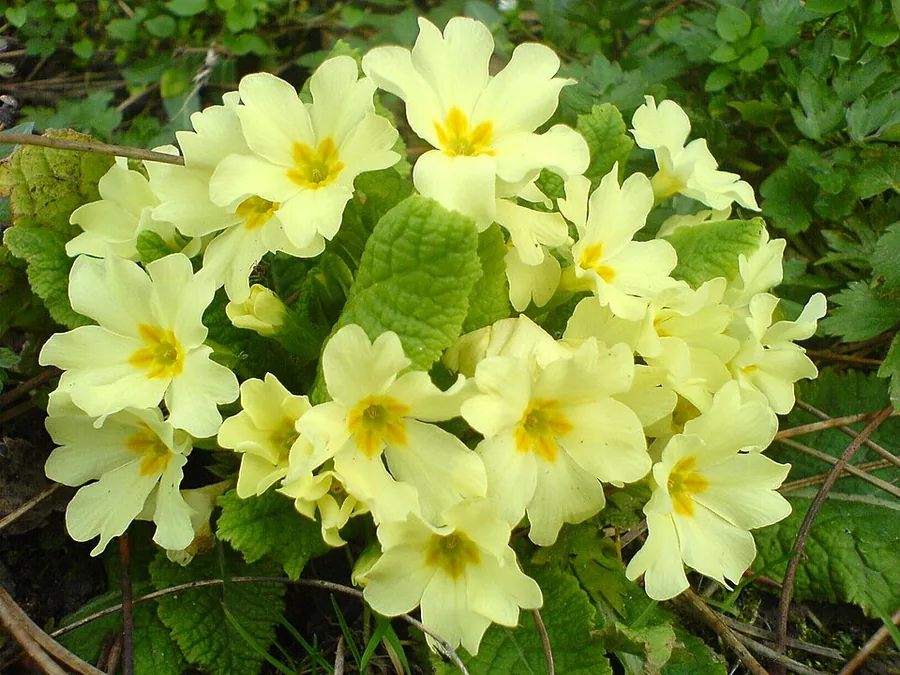
Ever notice those cheerful little flowers popping up before winter's even packed its bags? That's primrose. It hugs the ground in neat rosettes of crinkly leaves and sends up short stems of bloom in early to mid spring. The wild one's a soft yellow, but the garden types come in just about every color, so you'll spot trays of them the second the weather warms up.
Here's the thing about primrose: it's a cool-weather perennial that really can't stand being hot and dry. So it's happiest tucked under a tree, along a shady north wall, or in some damp corner where nothing else wants to flower this early. It's hardy through zones 4 to 8, which means it laughs off a hard winter, though it does get a bit worn out once summer heat rolls in.
Once it's in a spot it likes, primrose won't ask much of you. Keep the soil rich and moist, split the clumps every couple of years, and it'll come back fuller each spring. Plant it in a hot, dry bed, though, and don't be surprised when it just sits there and sulks.
Care
The short version: pop primrose into cool partial shade with rich soil that stays nicely moist, give it a feed in spring, and split the clumps every few years so the flowers keep on coming.
Light
Primrose really wants partial shade and isn't a fan of full sun, which scorches the leaves and cuts the flowering short. It'll put up with full shade or a bit of morning sun, but honestly, the soft, broken light under a leafy tree is where it's happiest.
Water
Keep that soil nice and moist, because primrose just can't handle drying out. In warm weather that might mean a drink every 2 to 4 days, and a layer of spring mulch really helps hold the moisture in and keep the roots cool.
Soil
Go for rich, well-drained loam that stays damp without turning into a soggy mess. Mix in plenty of compost before you plant, since thin or quick-draining ground just leaves primrose thirsty and struggling.
Temperature
This one's a cool-season plant through and through, hardy down to -29°F (-34°C) and happiest below 75°F (24°C). It shrugs off cold winters no problem, but it starts to flag when summer heat piles on, so a shady, sheltered spot really helps it hang on.
Humidity
Regular outdoor humidity is fine for primrose, so there's no number to fuss over. What actually matters is moist soil, not moist air, and a bit of airflow around the crown keeps the mold and rot it's prone to from moving in.
Feeding
Just one feed in spring, right as it starts growing, is all primrose asks for. Use a balanced fertilizer or work in a good scoop of compost, and that single seasonal boost carries it through the blooms and on through the year.
Pruning
Deadhead the faded flowers to keep it looking neat, and pull off any ragged or sickly leaves whenever you notice them. Splitting the clumps in spring after they've bloomed sort of tidies and refreshes the plant all at once, which is handy.
Repotting
Over time primrose clumps get crowded and flower less from that tired old center, and that's totally normal. Lift and divide every 2 to 3 years in spring after flowering, breaking those congested clumps into fresh, lively pieces.
Size & spacing
Primrose stays little, only about 3 to 6 inches (8 to 15 cm) tall and spreading 3 to 9 inches (8 to 23 cm) wide. Plant them close together as an edging or a shady groundcover and they'll knit into a low spring carpet before you know it.
When to plant
Primrose is all about the cooler stretches of the year, so there's no need to rush. Start seed in late winter since it's a slow riser and needs that chilly nudge, move plants outside in spring once the hard frosts are done, and you'll see the first blooms in early to mid spring, well before summer turns up the heat.
Northern hemisphere
Southern hemisphere
Typical months for a temperate climate: start earlier in warm zones, later where spring frosts linger.
- Sow: Late winter (seed can be slow and benefits from a cold/chilling period)
- Plant: Spring, after frost danger eases, into cool moist soil
- Harvest: Early to mid spring (around April)
Hardiness
USDA hardiness zones: 4–8
Temperature: down to -34°C
Troubleshooting
Funny enough, most primrose problems come straight from the damp, shady spot it loves, because slugs, rot, and mold love it too. So keep half an eye on the leaves, flowers, and crown, and step in early while it's still an easy fix.
The whole plant wilts and rots at the roots and crown
When the ground stays soggy, you get root rot, and the cool damp air that comes with it invites gray mold onto crowded crowns. Once the roots go soft and brown there's really no bringing it back, so just lift it and toss it. Then sort out the drainage and give the healthy ones some breathing room before it spreads.
Fix:
- Remove and discard severely affected plants
- Improve drainage and avoid waterlogging
- Increase spacing and airflow to reduce humidity around foliage
Chewed-up holes in the leaves and flowers, with slime trails
Those ragged holes? That's slugs and snails at work, and they go for the same cool, moist shade primroses love. Head out in the evening and pick them off by hand, clear away the leaf litter they hide under during the day, and ease up on the watering so the ground isn't quite so inviting.
Fix:
- Hand-pick slugs and snails in the evening
- Remove leaf litter and debris that provide daytime shelter
- Reduce excess moisture and improve airflow around plants
Twisted new shoots, speckled leaves, and a bit of fine webbing
Two little pests are behind this one. Aphids pile onto the soft new growth, while red spider mites speckle the leaves and spin fine webs once things get warm and dry. Knock them off with a strong blast of water, hit any stubborn ones with insecticidal soap, and keep the plant cool and moist to keep the mites from coming back.
Fix:
- Rinse foliage with a strong spray of water
- Treat persistent infestations with insecticidal soap
- Maintain adequate humidity and moisture to discourage spider mites
Toxicity
Good news first: primrose is only mildly toxic, so if a pet sneaks a bite it's usually just a bit of an upset stomach. The catch is more for you, since the leaves carry primin, a contact allergen that can bug sensitive skin. Slip on gloves when you're handling it, keep the pets from grazing, and you're all set.
Toxic to
Cats · Dogs · Horses · Rabbits · Livestock · Birds · People
Cats Mild
If a cat nibbles the leaves, it'll usually just end up with a queasy stomach and maybe some vomiting. It's mild stuff, and it tends to pass on its own once you've moved the plant out of reach.
Dogs Mild
A dog that chews the foliage might throw up or go off its food for a bit. The signs stay mild, but if it's wolfed down a big mouthful, it's worth a quick call to the vet.
Horses Mild
A horse that grazes on primrose can get a touch of stomach upset. It's mild, but you'll still want to keep the plant well clear of paddocks and out of reach.
Rabbits Caution
The same stuff that bugs cats and dogs can leave a rabbit with loose stools or a sour stomach, so it's not a safe snack. Keep primrose away from where your rabbit runs around.
Livestock Caution
Cattle, goats, and sheep don't usually go looking for primrose, but a curious mouthful can bring on mild digestive upset. Fence it off from grazing animals just to be safe.
Birds Caution
There's not much sign that birds eat primrose, but it's not a safe forage either. Keep it clear of pet birds and any poultry that like to peck at greenery.
People Caution
Eating primrose isn't really the worry here, but handling it is. The foliage carries primin, a contact allergen that can leave sensitive skin red, itchy, or blistered, so wear gloves and give your hands a wash after you've been working with it.
Toxic principle is listed as unknown; signs are mild. Separately, primrose species (notably Primula obconica) contain primin, a contact allergen that can cause skin irritation or allergic dermatitis in some people, so wear gloves when handling and wash hands after contact.
Helpline numbers

United States
ASPCA Animal Poison Control: (888) 426-4435 (fee applies)
Poison Control: (800) 222-1222



Canada
Poison Centres: 1-844-764-7669
Varieties
Primrose runs from the plain little wild species right up to the loud, colorful garden hybrids. These two groups are the ones you'll bump into most.
Primula vulgaris (common species)
The wild one puts out pale yellow, faintly scented flowers about an inch wide on short little stalks, popping up straight from a low rosette of wrinkled, spoon-shaped leaves.
Polyanthus and modern hybrids
These are the ones bred for color, showing up in blue, red, pink, purple, white, and gold, usually with a contrasting eye, and they make up most of the bedding and pot displays you'll see at the shops.
How to propagate
Want more primrose? It's easy enough, whether you split an existing clump or take the slower road from seed.
DivisionEasy
Spring, after flowering · One growing season
Division's honestly the easiest way to get more primrose and keep those old clumps lively. In spring, once the flowers fade, lift a mature plant, gently pull it apart into rooted chunks, and get them back in the ground right away. Each piece settles in and fills out over a single growing season, so you're not waiting long.
SeedModerate
Late winter to spring · Several months to a year to reach flowering size
Seed's the slower game, so you'll need a little patience. Sow in late winter or spring and give the seed the cool conditions it wants, because it's slow to get going. Figure on several months to a year before a seedling's big enough to flower, and keep in mind the species comes true from seed way more reliably than the hybrids do.
Myths
A primrose is a primrose, so they've all got to be equally safe or unsafe.
Not quite, since that common name gets stuck on all sorts of unrelated plants. ASPCA lists this one, Primula vulgaris, as toxic to cats, dogs, and horses, while Cape Primrose, which is really a Streptocarpus and no relation, sits on the non-toxic list for those same animals. So the name on the tag tells you nothing about the risk, and you'll want to check the botanical name.