Herb · Rosaceae
Salad Burnet
Sanguisorba minor
Park it in a sunny, lean spot, and this little herb won't stop giving you cucumber-flavored leaves all season.
Full sun
Every 5–10 days
50–77°F · 10–25°C
60–100 days
Overview
So what is salad burnet? It's a tough little perennial in the rose family, and folks grow it for the mild cucumber flavor hiding in its young leaves. It keeps a low evergreen rosette of soft, toothed leaflets that stays green for a big chunk of the year and can even hang on through a gentle winter. Toss the fresh leaves into salads, steep them in vinegar, or drop them into a cold drink on a hot day.
Here's the fun part: it actually likes the rough spots. Salad burnet shrugs off dry, rocky, even chalky ground that other herbs can't stand, and once it's rooted in it barely wants watering. Keep the soil on the lean side too, because a rich bed just waters down the flavor you're after.
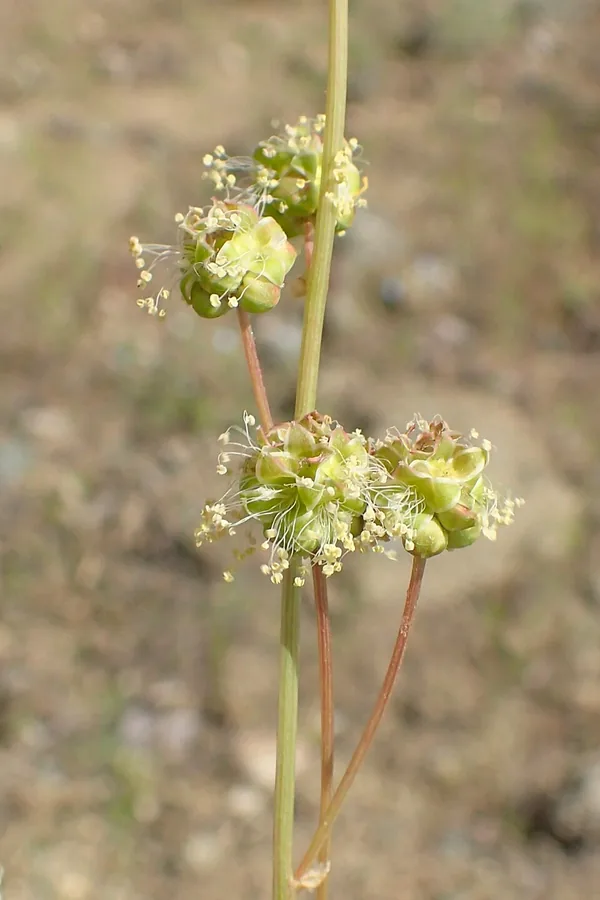
The only thing to keep an eye on? Its habit of flowering. Once those pinkish flower heads go up on their stalks, the older leaves get tough and lose their taste. Just keep snipping the stalks off and you'll hold the plant in soft, tender growth right through the season.
Care
The short version: sun and lean, well-drained soil, plus a bit of water while it's getting settled. Go easy on the feeding, snip those flower stalks off when they show up, and keep picking the young leaves so they stay nice and mild.
Light
Salad burnet's happiest in full sun, though it'll get by in partial sun or a little shade. Sun keeps the rosette tight and the leaves tasty, while too much shade leaves it floppy, stretched out, and more likely to pick up mildew.
Water
Water the young plants pretty regularly so they root in, then you can ease way off, because once it's settled salad burnet is seriously drought tolerant. Let the top-ish half of the mix dry out before you water again, and don't leave it sitting in the wet, which it really can't stand.
Soil
Plant it in lean, well-drained soil and it's a happy camper. It genuinely does well in the dry, rocky, chalky spots that stump other herbs, and it's fine with a pH anywhere from 6.0 to 7.8. Skip the rich, heavy stuff, though, since that dulls the flavor and holds onto water it doesn't want.
Temperature
It likes things mild, somewhere around 50°F to 77°F (10°C to 25°C). Being a hardy perennial, it handles winter cold just fine and often stays green through the softer stretches of the year.
Humidity
Regular household humidity of about 40% to 60% is plenty, and outdoors you really don't need to think about it. What matters more is airflow, because still, muggy air is basically an invitation for powdery mildew.
Feeding
Go easy here. One light balanced or low-nitrogen feed in spring does the trick, and honestly you can skip even that, because rich soil just mutes the flavor. Feed it too much and you'll end up with soft, bland leaves instead of that crisp cucumber taste.
Pruning
As soon as flower stalks show up, snip them off so the leaves stay tender and mild. Trim away the tough old outer leaves too, and the plant bounces right back with fresh new growth.
Repotting
In a pot, you'll want to repot every 1 to 2 years. When you spot roots circling around, leaf growth slowing down, or soil that dries out way too fast, that's the plant telling you it needs a bigger home and some fresh mix.
Size & spacing
It stays nice and small, hitting maybe 12 to 24 inches (30 to 60 cm) tall and 12 to 18 inches (30 to 45 cm) wide. Give each one about that much elbow room so air can move through the rosette.
When to plant
Good news, the timing's pretty relaxed. Salad burnet is hardy in zones 4 through 8 and likes an early start, so pop some seeds indoors 6 to 8 weeks before your last frost, or just sprinkle them outside in early spring. After that? Fresh young leaves from spring all the way to fall.
Northern hemisphere
Southern hemisphere
Typical months for a temperate climate: start earlier in warm zones, later where spring frosts linger.
- Sow: 6 to 8 weeks before last spring frost
- Plant: After last spring frost, or direct sow in early spring
- Harvest: Harvest young leaves spring through fall; pinkish flower heads appear late spring to midsummer (May to July)
Hardiness
USDA hardiness zones: 4–8
Temperature: down to -34°C
Troubleshooting
Honestly, salad burnet doesn't ask for much, and when something goes sideways it's usually too much water or not enough air. So keep half an eye on the leaves and roots, match up whatever you're seeing below, and jump on it early while it's an easy fix.
Yellowing, wilting, and flopping over in soggy ground
Soggy soil brings on root rot, and salad burnet just won't put up with wet feet. Once the roots go soft, dark, and mushy, there's no bringing that plant back, so catch it early. Dial back the water, sort the drainage out, and move any healthy survivors into a raised bed or a gritty mix that drains quick.
Fix:
- Improve drainage
- Reduce watering
- Replant in well-drained or raised beds
A dusty white film showing up all over the leaves
That'd be powdery mildew, a fungus that loves still air and plants packed too close in damp shade. Give things more room so the air can move, pull off the worst leaves, and slide the plant into full sun, where the fungus has a rough time spreading.
Fix:
- Improve spacing and air flow
- Remove affected foliage
- Site plant in full sun
Leaves go tough and bitter and the cucumber taste disappears
That's just bolting. When the plant sends up flower stalks, the older leaves puff up into big, leathery things and lose that mild cucumber taste you're growing it for. Snip the flower stems off as they show, grab only the young inner leaves, and cut the whole plant back to get a fresh batch of tender growth going.
Fix:
- Cut off developing flower stalks
- Harvest only young inner leaves
- Cut the plant back to force a flush of tender new growth
Toxicity
Got pets or little kids? You can breathe easy here. Salad burnet is a totally edible herb with nothing toxic in it, the same young leaves people eat raw, and it's no trouble at all for cats, dogs, horses, rabbits, livestock, or birds.
Safe for
People · Cats · Dogs · Horses · Rabbits · Livestock · Birds
Cats None
Cats are totally fine around it, and a little nibble on the soft leaves won't do a thing to them.
Dogs None
Dogs have nothing to worry about, and even a big mouthful of leaves goes down just fine.
Horses Safe
Horses can graze on it all they like, since there's nothing in it that's poisonous to them.
Rabbits Safe
Rabbits can have the tender leaves as a harmless little treat, just in small amounts.
Livestock Safe
Cattle, goats, and sheep can eat it no problem, and the bigger fodder type used to be grown as feed.
Birds Safe
Backyard chickens and wild birds are fine pecking at the leaves or the seeds.
People Safe
And people? The young leaves go straight into salads raw, tasting gently of cucumber.
Leaves and young growth are commonly eaten by people in salads; no special handling precautions are required.
Varieties
There aren't loads of named types to wade through with salad burnet, but a couple of forms are worth knowing.
Sanguisorba minor subsp. muricata
This one's called fodder burnet, a bigger, tougher form that people used to grow as a forage plant and cover crop.
Sanguisorba minor (species type)
The regular species grows into a neat little evergreen rosette of fine toothed leaflets, and it's the one you want for that mild cucumber flavor in a salad.
Companions
Salad burnet sits happily beside herbs that share its taste for sun and lean soil, and does worst next to vigorous spreaders that swamp its low rosette.
How to propagate
Want more of it? Easy. You can start salad burnet from a packet of seed or just split up a clump you've already got going.
SeedEasy
Early spring, indoors 6 to 8 weeks before last frost or direct sown · Germinates in about 1 to 2 weeks; harvestable within 8 to 10 weeks
Most people just start salad burnet from seed, and it's easy. Sow it indoors 6 to 8 weeks before your last frost, or scatter it outside in early spring, and the seedlings usually show up in about 1 to 2 weeks. You'll be picking leaves within 8 to 10 weeks, and if you let a few flower heads ripen, it'll happily reseed itself around the garden.
DivisionEasy
Spring or early fall · A few weeks to re-root and resume growth
Already got a good clump? It splits without any fuss in spring or early fall. Dig the whole thing up, pull or cut it into chunks that each keep some roots, and get them back in the ground fast so they re-root and start growing again in a few weeks.
Myths
Salad burnet and that medicinal great burnet are the same thing.
Nope, they're two different plants. Salad burnet (Sanguisorba minor) is the little culinary one, while great burnet (Sanguisorba officinalis) is bigger, with deep red flower heads and its own background in herbal medicine. Just check the botanical name when you're buying, since they're easy to mix up.
The older leaves taste just as good as the young ones.
Not really. That mild cucumber taste is all in the fresh young growth, and the older leaves get tough and bitter with time. Keep picking the new leaves often and the flavor stays nice and mild.