Ornamental · Linderniaceae
Wishbone Flower
Torenia fournieri
Keep it shaded and watered, and this little annual just keeps blooming right up to frost.
Partial shade
Every 2–4 days
64–86°F · 18–30°C
USDA 2–11
Overview
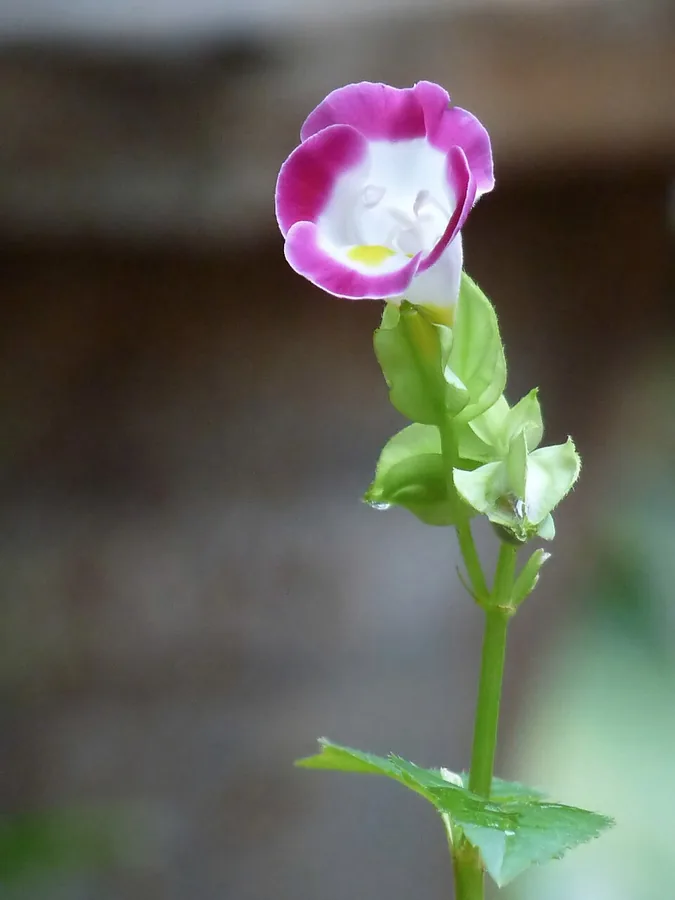
Ever wonder where the wishbone flower got its name? Peek inside a bloom and you will see two stamens curving together like a little wishbone. It is a shade-loving annual that comes in cool blue, purple, pink, and white, and it keeps flowering from early summer all the way to frost. Not bad for a spot the sun barely touches.
Here is the fun part: while most annuals sulk without full sun, this one actually likes the shade. It is happy in dappled light or part to full shade, so it works along a fence, on the shady north side of the house, or in a pot on a porch that never gets blasted. In hot places, just give it morning sun and let it duck the harsh afternoon.
And honestly, it does not ask for much once it settles in. Keep the soil damp, pinch it back once in a while so it stays full, and it will flower away without any deadheading. The only thing to really keep an eye on? Drainage, because soggy roots are pretty much its one weak spot.
Care
The short version: keep it in part to full shade, out of that hot afternoon sun, and water it enough to stay evenly damp, about 1 to 1.5 inches a week. Rich soil that drains well is ideal, and a pinch here and there keeps it nice and full.
Light
Think of it as a shade plant first and foremost, happiest in part to full shade or dappled light. If your summers get hot, give it morning sun and afternoon shade. Leave it in too much direct sun, though, and the stems stretch out while the flowers fizzle.
Water
Keep the soil evenly moist and try not to let it dry out between waterings. That is roughly 1 to 1.5 inches of water a week, and a bit of mulch does a nice job keeping the roots cool once things heat up.
Soil
It likes rich, organic soil that holds some moisture but still drains well. A slightly acidic pH of 6.0 to 6.5 is its sweet spot, and good drainage is really the one thing it will not put up with going without.
Temperature
It is comfortable across a decent range, somewhere around 64°F to 86°F (18°C to 30°C). It is tender, so frost is the end of the road, and the worst summer heat goes down easier with a little shade and steady water.
Humidity
Regular outdoor humidity is totally fine, so there is no magic number here. What matters more is some air moving through, because still, damp air in the shade is exactly what powdery mildew loves.
Feeding
Mix a complete slow-release fertilizer into the bed when you plant, and that will carry it a good long while. If the plants look like they could use a boost, feed them again at roughly 6-week intervals during the growing season.
Pruning
Pinch back the new growth every so often to keep it bushy and compact instead of leggy. And deadheading? Skip it, since the flowers are self-cleaning and drop off on their own.
Size & spacing
These stay nice and small, hitting about 6 to 18 inches (15 to 46 cm) tall and 6 to 9 inches (15 to 23 cm) wide. That handy size makes them great for edging, containers, or the front of a shady bed.
When to plant
Since frost will do it in, wishbone flower runs on the warm season, from the last spring frost to the first one in fall. Start seeds indoors toward the end of winter, pop the plants outside once the cold is done, and they will bloom from early summer until frost wraps things up. Easy enough to line up.
Northern hemisphere
Southern hemisphere
Typical months for a temperate climate: start earlier in warm zones, later where spring frosts linger.
- Sow: Start seeds indoors 6 to 8 weeks before the average last frost date.
- Plant: Transplant outdoors after danger of frost has passed, around mid to late April in many regions.
- Harvest: Blooms from early summer (about June) until first frost.
Hardiness
USDA hardiness zones: 2–11
Temperature: down to -46°C
Troubleshooting
Good news: wishbone flower barely runs into trouble, and when it does, it usually comes down to soggy soil or too much sun. Catch the early signs below and you can fix things before a plant gives up. Just find what looks familiar and go from there.
Floppy, yellowing plant with mushy dark roots
If a plant is wilting, going yellow, and flopping over, and the roots underneath are dark and mushy, that is root rot. It shows up when the soil stays too wet or just will not drain. Dig down and you will find soft, smelly roots instead of firm pale ones, so ease up on watering, mix in something that drains better, and toss any plant that has already gone to mush.
Fix:
- Improve drainage and reduce watering frequency
- Remove and discard severely affected plants
Not many flowers and long, floppy stems
When the stems get long and the blooms thin out, the plant is usually soaking up too much hot afternoon sun, and it might be going unpinched too. Move it where it gets morning light and afternoon shade, then pinch back the new growth to bring back that full, flowery look. It perks right up once it is happier.
Fix:
- Provide morning sun with afternoon shade
- Pinch back new growth to encourage bushiness
A chalky white coating on the leaves
See that dusty white stuff on the upper leaves? That is powdery mildew, a fungus that loves shade with stale, damp air. Give the plants more elbow room, get a little air flowing, and water at the base so the leaves stay dry. It usually clears up once the air is moving again.
Fix:
- Improve air circulation and spacing
- Avoid wetting foliage when watering
Toxicity
No need to worry about this one at home. Wishbone flower is non-toxic and safe around pets, livestock, and kids. It is not on the ASPCA's list of plants that hurt cats or dogs, and nothing in it is poisonous, so go ahead and plant it wherever everyone hangs out.
Safe for
People · Cats · Dogs · Horses · Rabbits · Livestock · Birds
Cats None
Totally safe for cats. A nibble is not going to poison one, though almost any plant might give a sensitive cat a quick, mild tummy ache.
Dogs None
Dogs are fine here too, since there is nothing toxic in it. A pup that munches a few leaves or flowers is not in any danger.
Horses Safe
Horses can hang out around it no problem, because there is nothing in the plant that would bother them.
Rabbits Safe
Rabbits will not get sick from nibbling the leaves. Honestly, they might just treat the whole planting like a snack bar.
Livestock Safe
Cattle, goats, and sheep can graze near it without any worry, since none of it is toxic to them.
Birds Safe
Backyard birds and pet birds are safe around it too. Nothing in the plant can do them harm.
People Safe
It is not toxic to people, so kids can play right in the middle of the blooms. Just remember it is grown to look pretty, not to eat.
Varieties
There are loads of named series out there, but only a few show up at the garden center regularly. These are the ones worth knowing.
Kauai
A compact series that flowers like crazy in part shade.
Duchess
A compact series that blooms nice and early, with bigger flowers than you usually see.
Little Kiss
A little mounding type that is perfect for pots or right up front in a bed.
How to propagate
Wishbone flower is a breeze to grow from seed, which is how just about everyone gets a fresh batch going each spring.
SeedEasy
Start indoors 6 to 8 weeks before last frost, or direct sow after frost danger passes. · Several weeks to transplant size after germination.
Starting wishbone flower from seed is how most folks do it for spring. Sow the seeds indoors about 6 to 8 weeks before your last frost, or just drop them right into warm soil once the cold has cleared out, and the seedlings will need several weeks to get big enough to plant out.
Myths
Wishbone flower needs deadheading or it stops blooming.
Nope, you can leave the old flowers right where they are. The plant is self-cleaning, so it just keeps blooming on its own from spring until frost.
Torenia will not bloom well unless it gets full sun.
Actually, it is one of the few annuals that flowers like mad in part to full shade. In a hot spot it even prefers afternoon shade, since full sun would just stress it out.