Shrub · Buxaceae
Common Boxwood
Buxus sempervirens
Unhurried, dependable, and evergreen year-round, boxwood gives a clipped, formal garden its lasting shape.
Full sun
Every 5–10 days
USDA 5–8
5–15 ft · 1.5–4.6 m
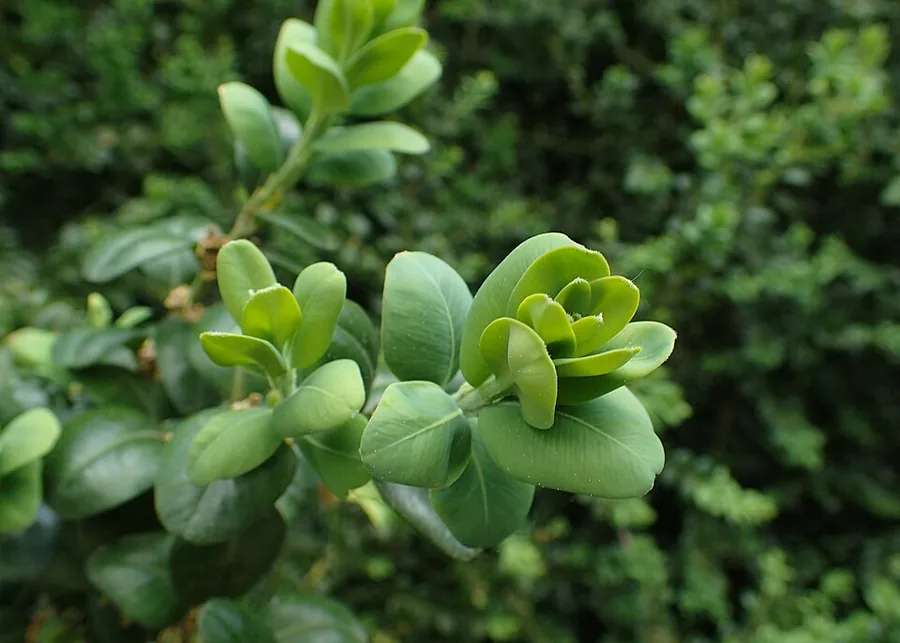
Overview
Need a plant that keeps its form no matter the season and lends a garden some backbone? Boxwood is the usual answer. This evergreen shrub belongs to the box family and puts on growth slowly, yet it's thick enough to shear into a crisp hedge, a tidy edge along a path, or a neat ball that anchors a bed. Given free rein it'll stretch toward 15 feet, though hardly anyone lets it, since a trim keeps it low and sharp.
The one thing it asks of you is time. Only a little new growth turns up each season, so a grown hedge stands for years of quiet waiting, which means boxwood is a long-term resident rather than a fast fix for privacy. In return you get a shrub that copes with deep shade to full sun, laughs off cold as far down as zone 5, and keeps going for decades once its roots take hold.
There's a flip side, of course. Boxwood carries a handful of genuine problems worth knowing about. Boxwood blight can leave a plant bare in a matter of days, mites and leafminers chew up the foliage, and roots left sitting in wet soil begin to rot. Pick a good spot, keep the area tidy, and space plants so breezes pass between them, and you'll dodge most of that trouble.
Care
The short version: boxwood puts up with everything from full sun to full shade, asks for loam that stays evenly moist yet drains freely, and creeps along so gradually that one shaping a year, done after the last spring frost, usually covers it.
Light
When it comes to light, boxwood is remarkably relaxed and handles the whole span from full sun to full shade. Sun gives you the thickest growth, yet there's a catch worth remembering: full winter sun in an open, unprotected spot burns those evergreen leaves brown.
Water
Aim to keep the ground evenly moist but never soggy, which tends to mean a drink every 5 to 10 days once the plant's settled. Because its roots run shallow, lay down 1 to 2 inches of organic mulch to lock in moisture, and leave the soil around the base undisturbed. Too much water and drainage that won't clear are exactly what set off root rot.
Soil
Set boxwood into well-drained loam that holds even moisture. It isn't fussy about pH and thrives anywhere across the 6.0 to 8.0 range, so ground from slightly acidic to slightly alkaline all makes it happy. The one thing to steer around, or dig in and improve, is dense clay that stays waterlogged.
Temperature
This is a hardy plant that shrugs off a huge span of temperatures, holding up from roughly -20°F to 100°F (-29°C to 38°C). What actually threatens it isn't the reading on the thermometer but exposure, since parching winter wind and sun wreck more than plain cold ever will.
Humidity
Whatever moisture the outdoor air already carries suits it fine, so there's no target humidity to worry about. Air movement matters much more, because stagnant, damp pockets in a tightly packed planting are just the setting blight and other fungal diseases are looking for.
Feeding
One helping of balanced fertilizer in spring keeps boxwood going strong for the rest of the year. Combine that once-a-year feed with a decent layer of mulch and the shrub stays richly colored and dense, no special routine required.
Pruning
Wait until after the last spring frost to shape boxwood, never sooner, or a late cold snap could catch the soft new growth you've just encouraged. Clear away dead or diseased wood the moment you notice it, and comb out any leaves lodged where the branches fork, since that stuck debris gives disease a foothold.
Repotting
Boxwood is rarely repotted, and once it's cruising along it would rather not be bothered. For one growing in a pot, keep watch for roots looping around the inside, water shooting straight out the bottom, or new growth that grinds to a halt, and only shift it into a larger container when those clues appear.
Size & spacing
Left to grow, plants reach 5 to 15 feet (1.5 to 4.5 m) in height and spread out roughly the same, though regular clipping holds most of them well below that. When you set out a hedge, allow each plant the width it'll eventually fill, so air can flow between them and disease finds it tougher to settle in.
When to plant
Set boxwood out during spring or the start of fall, back when the ground's easy to dig and temperatures stay gentle. Choose a place tucked away from biting wind and full winter sun, and let the roots have a whole season to get comfortable before real summer heat or hard winter cold arrives.
Northern hemisphere
Southern hemisphere
Typical months for a temperate climate: start earlier in warm zones, later where spring frosts linger.
- Plant: Spring or early fall, in a site sheltered from strong winds and full winter sun
- Harvest: April to May (greenish-cream, insignificant flowers)
Hardiness
USDA hardiness zones: 5–8
Temperature: down to -29°C
Troubleshooting
For years boxwood just hums along without complaint, and then, all at once, its few weak spots turn up together. You'll spot most of the trouble in the foliage, whether that's quick browning and leaf loss or the fine speckling of blisters and stippling, while the really bad cases begin hidden away down at the roots. Line up whatever you're seeing with the list below and jump on it fast, because the serious diseases can't be cured.
Dark stem cankers, brown-spotted leaves, and a plant shedding foliage fast
Odds are this is boxwood blight, a quick-spreading fungus that can leave a shrub leafless inside a few days, although Volutella blight sometimes moves in after winter injury and does much the same thing. Once either one settles in, curing it isn't an option. Prune away the sick stems and bag them, gather up all the dropped foliage, spread a new layer of mulch, and shield whatever remains with a chlorothalonil fungicide.
Fix:
- Remove and bag diseased stems and rake up all fallen foliage
- Apply fresh mulch over the soil surface
- Apply chlorothalonil, or chlorothalonil mixed with thiophanate methyl, fungicide
Foliage going yellow while roots rot and crown bark flakes off
If a whole shrub drifts from green over to yellow and its roots pull up dark and slimy, you're dealing with Phytophthora root rot, which festers in soggy ground that won't drain. Take a look at the crown too, since infected bark starts flaking off there. No fungicide is going to bail you out here, so the answer is better drainage, working over heavy clay, or lifting the plant into a raised bed, and cutting back on watering.
Fix:
- Improve soil drainage
- Amend heavy clay soils or plant in raised beds
- Avoid overwatering
Yellow-blotched leaves that look swollen and blistered
Blame those puffy blisters on the boxwood leafminer, since its larvae tunnel and feed right inside the leaf tissue. Tear one blistered leaf apart and the orange maggots turn up inside the mine. The adult flies show themselves between mid-April and early May, and that's your window to hit them, either with a foliar spray of acephate or spinosad or a soil drench of imidacloprid.
Fix:
- Apply acephate or spinosad foliar spray to larvae in mines
- Use malathion contact spray against adults
- Apply soil-applied dinotefuran or imidacloprid
Leaves gone flat, grayish, and finely stippled
Tiny yellow scratches and a washed-out silvery sheen are the calling card of the boxwood mite. Not sure? Hold a sheet of white paper under a branch, give it a knock, and look for the specks crawling around after they drop. A spray of horticultural oil at 1 to 2 percent or some insecticidal soap will beat them down, and it helps to keep already-stressed plants out of scorching sun, where the mites breed quickest.
Fix:
- Apply horticultural oil at 1-2 percent to kill eggs and adults
- Apply insecticidal soap
- Apply tau-fluvalinate miticide if needed
New growth curling into cups under white waxy fluff
When new shoots come in curled and cupped, the boxwood psyllid has been draining their sap. Peel back one of those warped shoots and small pale-green nymphs sit tucked beneath a coating of white wax. Since the harm is really just a matter of looks, there's no need to fuss over minor outbreaks, and acephate only earns a place when the bugs turn up in force.
Fix:
- Treat only heavy infestations
- Apply acephate foliar spray
- Apply soil-applied dinotefuran or imidacloprid
Late-winter foliage taking on a dull brown-yellow tinge
Left standing in bare winter sun and parching wind, boxwood will often go a muddy brownish-yellow, a change known as winter bronzing. As unsettling as it looks, it seldom does the plant any lasting harm, and the new spring flush generally returns a good healthy green. Put plants, or shift them, somewhere shielded from wind and fierce winter sun, water them thoroughly through fall, and tuck mulch over their shallow roots.
Fix:
- Site or transplant plants where they are sheltered from winter wind and full winter sun
- Ensure adequate fall soil moisture before winter
- Apply organic mulch to protect shallow roots
Toxicity
Every bit of boxwood is poisonous, so none of it belongs in anyone's mouth. Steroidal alkaloids run through the leaves and stems, chiefly buxine, and they'll trigger vomiting and diarrhea in animals and humans both, while a big enough dose can push horses and livestock into seizures or respiratory failure. That bitter flavor usually turns most creatures away before they get far, but it's still worth keeping pets, grazing animals, and kids clear of the leaves and any clippings.
Toxic to
Cats · Dogs · Horses · Rabbits · Livestock · Birds · People
Cats Moderate
Chew on the leaves and a cat will typically start drooling, then bring the meal back up, with diarrhea not far off. Luckily that harsh, bitter flavor usually turns most cats away well before they take in a dangerous amount.
Dogs Moderate
A dog that samples the leaves or gnaws on dropped clippings will likely be vomiting and dealing with diarrhea before long. Whenever you're pruning, sweep up the trimmings and keep them somewhere the dog can't get at them.
Horses Severe
Of all the animals, horses come off worst. Those alkaloids can set off colic, diarrhea, and seizures, and a large enough dose leads to respiratory failure, so boxwood and every last trimming should stay nowhere near a paddock.
Rabbits Toxic
Boxwood is off-limits to rabbits for the same reason it troubles everything else: its buxine. Don't ever hand over the leaves or stems, and put a fence between the shrubs and any bunny that roams loose.
Livestock Severe
For cattle, goats, and sheep, the foliage can spark serious stomach and breathing problems, and grazing on a lot of it has killed animals outright. The bitterness keeps most livestock at bay, though one that's hungry enough will take a bite anyway.
Birds Toxic
There's nothing on a boxwood a bird can safely swallow. Don't let poultry or pet birds peck at the leaves or at clippings scattered on the ground.
People Caution
None of a boxwood is fit to eat, and swallowing the leaves or stems tends to bring on vomiting and diarrhea. Its sap can irritate touchy skin as well, so pull on gloves before you prune and steer inquisitive youngsters clear of it.
Sap can cause contact dermatitis in sensitive people; wear gloves when pruning.
Helpline numbers

United States
ASPCA Animal Poison Control: (888) 426-4435 (fee applies)
Poison Control: (800) 222-1222



Canada
Poison Centres: 1-844-764-7669
Varieties
You'll find boxwood in all kinds of forms, from squat spreading cushions to slim upright pillars, and a few named cultivars earn a mention either for their outline or for how well they hold off pests.
Vardar Valley
This one stays low and wide, leveling off near 2 to 3 feet, wears a bluish tint on its leaves, and, handily, brushes off the boxwood leafminer that plagues so many other kinds.
Suffruticosa
Here's the old-school English boxwood, a compact, sweet-smelling dwarf that inches along at a maddening pace and, as it turns out, is the poorest of the lot at warding off leafminers.
Dee Runk
Think of a slim pillar reaching up to roughly 8 feet yet holding to a mere 2.5 feet across, which is exactly what you want when a spot calls for a narrow upright accent.
Elegantissima
A variegated pick that gardeners adore for the band of creamy-white edging wrapped around each leaf.
How to propagate
Propagating boxwood takes its time but rarely lets you down, and if you want an exact match of a shrub you're fond of, rooting cuttings is the dependable route.
Stem cuttingsModerate
Mid-July to early fall (semi-hardwood, current season's growth) · Several weeks to a few months to root
Give it enough time and boxwood roots happily from cuttings. Between mid-July and early fall, snip semi-hardwood lengths of that season's new growth, working only from plants that are healthy and free of disease, and keep the pieces damp and out of the sun as you go. Roots come on at a leisurely pace, taking anywhere between a few weeks and several months, and cuttings of hardwood do just as good a job.
Myths
Since boxwood's just an ordinary garden hedge, it can't do pets any harm.
Alkaloids sit in every last part of this shrub, and they're toxic to dogs, cats, and horses alike. Let a pet gnaw the leaves and vomiting and diarrhea follow, while a horse can end up far sicker than that. A hedge you see everywhere is still not something to eat.
Once blight sets into a boxwood, the right spray will clear it up.
After it's taken up residence in a plant, no treatment will undo it. All you can do with boxwood blight is manage it, since it can't be reversed: strip out the infected growth, hold the surrounding area to strict cleanliness, and lean on protective fungicides to keep it from jumping across to plants that are still healthy.