Houseplant · Nephrolepidaceae
Kimberly Queen Fern
Nephrolepis obliterata
Give it bright indirect light and steady moisture, and this upright sword fern stays full and tidy the whole year.
Bright indirect
Every 3–7 days
61–75°F · 16–24°C
USDA 9–11
Overview
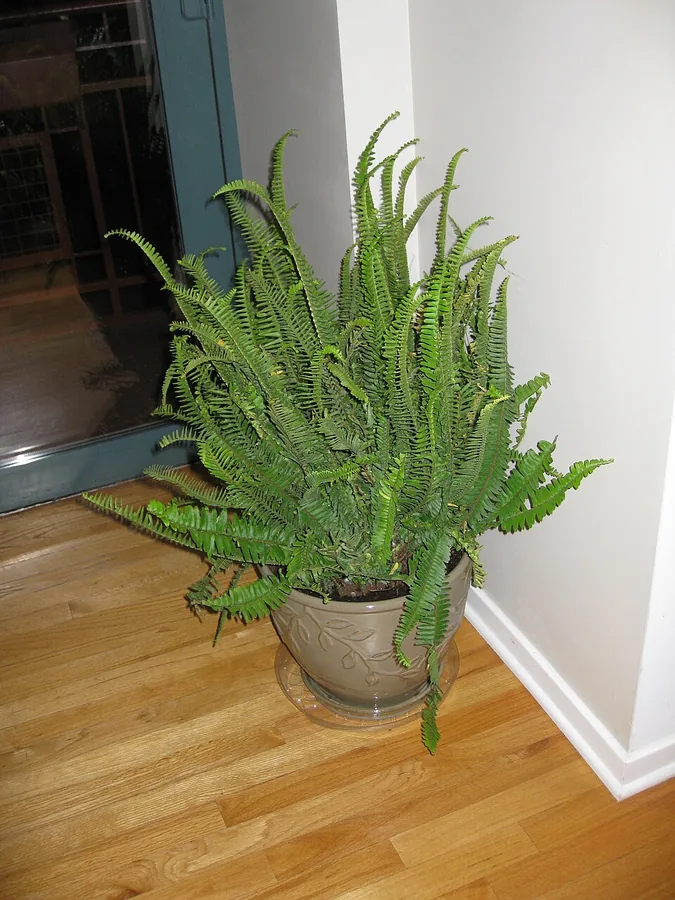
So the Kimberly Queen fern is a sword fern from Australia, and it's one of the easiest ferns you can keep indoors. Instead of flopping over the pot, its fronds grow stiff and upright, so it keeps a neat shape and drops way less mess than the Boston fern you've probably seen everywhere. Honestly, that tidy habit is why most people pick it.
Kept inside, it tops out at a comfy 2 to 3 feet (60 to 90 cm) tall and spreads about the same, so it fills a corner or a plant stand without taking over the room. It grows at a moderate clip and sticks around for years, so a little steady care really does keep paying off.
What does it actually want? Not much: light it can enjoy but not bake in, soil that stays damp without turning to mud, and air that isn't bone dry. Get those right and it stays lush and full. Let the rootball dry out, though, and you'll see brown tips showing up before too long.
Care
The short version: bright indirect light, soil kept evenly moist but never soggy, and humidity on the higher side. Feed it monthly through the growing season and trim spent fronds at the base, and it'll keep looking sharp.
Light
Give it bright indirect light, like near an east window or a few feet back from a brighter one. It's fine with partial shade and a little soft sun, but keep the harsh midday glare off it, since that'll scorch the fronds.
Water
Keep the rootball evenly moist, watering once the top inch or so of soil feels dry, which usually works out to every 3 to 7 days. Soak the whole rootball each time but don't let it sit waterlogged, and ease off a bit through winter.
Soil
Plant it in a rich, humusy potting mix that drains well, basically a peat-based blend with some extra organic matter mixed in. It likes things a little acidic, around a pH of 5.5 to 6.5.
Temperature
Regular room warmth is all it needs, ideally between 61°F and 75°F (16°C to 24°C). Just keep it away from cold drafts and hot air vents, because both dry out and stress the fronds.
Humidity
This fern's a fan of high humidity, around 40% to 70%, which is more than most homes give you in winter. Pop it on a pebble tray, cluster it with other plants, or run a humidifier so the tips don't go crispy.
Feeding
Feed it monthly from spring to early fall with a balanced liquid houseplant fertilizer at half strength. Let it coast through winter while growth slows, and flush the pot now and then so salts don't build up.
Pruning
No hard pruning needed here, thankfully. Just snip off dead, browned, or yellowed fronds at the base as they show up, and that keeps it looking sharp while making room for fresh growth.
Repotting
Bump it into a slightly bigger pot every 1 to 2 years, or sooner if roots start circling or poking out the drainage holes. Spring repotting is also the perfect time to divide an overgrown plant if you feel like it.
Size & spacing
Indoors it gets to about 2 to 3 feet (60 to 90 cm) tall with a spread of 2 to 4 feet (60 to 120 cm). Leave it some room all around so those upright fronds can arch out without bumping a wall or crowding its neighbors.
Troubleshooting
Pretty much every issue with this fern shows up in the fronds first, and most of the time it comes down to water or air that's a little too dry. Catch it early and the fix is usually no big deal. Find what you're seeing below, then tweak things before the whole plant feels it.
Fronds yellowing while the plant looks worn out
When the fronds go yellow and the whole thing starts to droop, it's usually soggy soil and root rot from a bit too much water. Not enough light will push it the same way. So let the surface dry out before you water again, double-check the pot actually drains, and scoot it somewhere brighter.
Fix:
- Let the top of the soil dry slightly and ensure the pot drains freely
- Move to a brighter spot with bright indirect light
- Remove rotted roots and repot into fresh, well-draining mix if rot is present
Sticky spots, fine webbing, or little bumps on the fronds
Hot, dry air is basically an invitation to spider mites, and they leave fine webbing plus a faint speckling on the leaves. If you spot sticky residue or small brown and white bumps instead, that's scale or mealybugs. Give the foliage a rinse, raise the humidity, and keep the plant off on its own while you wipe the bugs off.
Fix:
- Rinse the foliage and raise humidity to discourage mites
- Wipe scale and mealybugs off or dab with insecticidal soap
- Isolate the plant until the infestation is controlled
Frond tips going brown and crispy
Seeing crispy brown tips? That's almost always the air being too dry, or the rootball drying out between waterings. Fertilizer salts can nibble at the edges too. Bump up the humidity, water on a more even schedule, and rinse the pot through once in a while to carry those salts away.
Fix:
- Raise humidity with a pebble tray, grouping plants, or a humidifier
- Keep the rootball evenly moist and water more consistently
- Flush the pot occasionally to leach out accumulated fertilizer salts
- Trim off badly browned fronds at the base
Toxicity
Good news if you've got pets: this is a true fern with nothing toxic in it. The ASPCA lists Nephrolepis ferns as non-toxic to cats and dogs, and that goes for other household animals too. The most a curious pet risks from a mouthful of the fibrous fronds is a quick, mild stomach upset, and that's it.
Safe for
People · Cats · Dogs · Horses · Rabbits · Livestock · Birds
Cats None
The cat's welcome to share the room with this one. A bored nibble on a frond won't poison it, and even a big fibrous mouthful might just mean a bit of drooling or a hairball-ish upset that sorts itself out.
Dogs None
There's nothing toxic here, so a nosy dog can chew a frond and be fine. Wolf down a lot of the stringy leaf at once, though, and it might loosen the stomach for a bit before settling on its own.
Horses Safe
This true fern doesn't carry anything that'd poison a horse, so if one grabs a mouthful in passing, it's really no big deal.
Rabbits Safe
A rabbit can nibble the fronds and be perfectly fine. It's not a staple food, though, so just hand over the odd taste alongside its usual hay and greens.
Livestock Safe
Goats, sheep, and cattle won't get poisoned by this fern, whether they reach a pot indoors or one growing out in the yard.
Birds Safe
Pet birds can perch in the fronds and pick at them without any trouble, which makes it a nice, easy pick if you keep parrots or finches.
People Safe
Handling and growing this fern is totally safe for grown-ups and kids alike. It's not grown for eating, so there's no edible part to go looking for, just a harmless plant that's easy to have around.
Although non-toxic, the fibrous fronds can cause mild, temporary stomach upset if a pet eats a large amount.
Varieties
This fern's sold as one named selection rather than a whole lineup of cultivars, so there's really just the one to get to know, which keeps things easy.
'Kimberly Queen'
It's the one clonal selection of Nephrolepis obliterata you'll spot at just about any garden center, and it's loved for those stiff, upright sword-shaped fronds that hold their shape and drop way less mess than the arching Boston fern.
How to propagate
Making more Kimberly Queen ferns is easy and free, since the plant splits cleanly and also spreads on its own by runners.
DivisionEasy
Spring to early summer, ideally at repotting · 4 to 8 weeks
Want more of these? The easy route is division, done in spring or early summer right when you're repotting anyway. Just split the rootball into chunks that each keep some roots and a few fronds, pot them up on their own, and they'll get comfortable over about 4 to 8 weeks. Sword ferns also throw out runners and spread by themselves, so you might get freebies without even trying.
Myths
Kimberly Queen fern is poisonous to cats and dogs.
Nope, the ASPCA lists Nephrolepis ferns as non-toxic to both cats and dogs. There's no poisoning risk here, and the worst a pet gets from a big bite of frond is a quick, harmless bout of stomach upset.
Since it's a fern, it must need deep shade.
Not this one, actually. Sword ferns in this group take more light than the Boston fern does, and a bright morning spot or some dappled sun suits them just fine, as long as you keep them out of the harsh midday glare that scorches the fronds.