Houseplant · Araceae
Mini Monstera
Rhaphidophora tetrasperma
Give it bright indirect light, a moss pole, and humid air, and the mini monstera climbs fast all year.
Bright indirect
65–80°F · 18–27°C
USDA 9–12
2–15 ft · 0.6–4.6 m
Overview
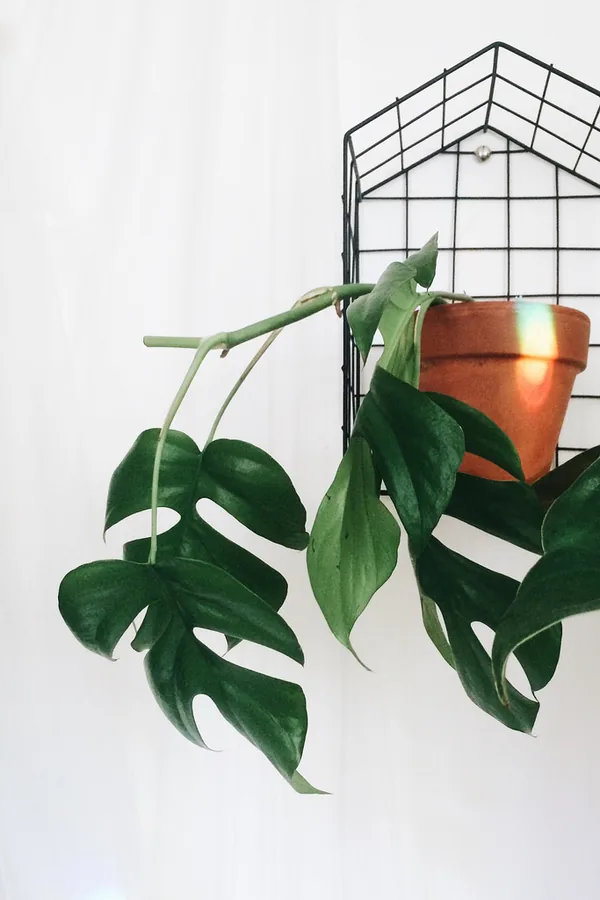
So the mini monstera is basically a smaller, speedier take on the big Swiss cheese plant, with those same split leaves riding a vine that climbs instead of sprawling everywhere. It's part of the arum family and comes from the forests of Thailand and Malaysia, where it shimmies up tree trunks chasing the light. And here's the thing that trips people up: despite the name, it's not a Monstera and not a Philodendron, but its own plant in the genus Rhaphidophora.
Indoors it grows quick and really wants something to climb. Give it a moss pole or trellis and it'll shoot up a clean, leafy column, but leave it loose and it just trails, with smaller leaves and way fewer of the deep splits everyone's after. The leaves get bigger and split more as the plant matures and climbs higher, so it's worth the wait.
It's earned that easy label fair and square, since it asks for little beyond steady warmth, humid air, and a light touch with the watering can. The one spot most people slip up? Being too generous with water, which rots the roots in a hurry. Keep the mix a bit on the drier side of moist and the plant pretty much handles itself.
Care
The short version: bright indirect light, a pole to climb, and warm, humid air around 60% or more. Water only once the top inch of mix dries, use a loose, fast-draining potting mix, and feed it monthly through spring and summer.
Light
Pop it in bright indirect light by a window that dodges the harsh midday sun. A few hours of gentle direct sun won't hurt, but strong rays scorch the leaves, and too much shade leaves the new growth small and barely split, so somewhere in between is the sweet spot.
Water
Water once the top inch (2.5 cm) of mix has dried, then soak it well until it runs out the drainage holes. Remember, this plant rots way more easily than it dries out, so when you're not sure, just wait a day. Ease off in winter as the growth slows down.
Soil
Plant it in a loose, well-drained potting mix with plenty of organic matter, plus chunky bits like bark or perlite to keep it airy. It's pretty easygoing about pH and copes up to 8.0, so most decent houseplant mixes work fine, no fuss needed.
Temperature
Keep it in the 65°F to 80°F (18°C to 27°C) range, which is just your average heated room. It really doesn't like cold drafts or sudden chills, so keep it away from doors and air conditioning vents once winter rolls in.
Humidity
This one's a humidity lover and does best at 60% or higher. Regular room air keeps it alive, sure, but dry winter air browns the leaf edges, so a humidifier or a spot in a steamy bathroom really pays off.
Feeding
Feed it monthly through spring and summer with a balanced liquid fertilizer diluted to half strength. Then stop in fall and winter while the growth slows, because fertilizer the plant can't use just builds up in the mix.
Pruning
Trim the vines to whatever length you like, and snip off any damaged or yellowing leaves right at the base. Nice bonus: pruning doubles as propagation, since every healthy cutting with a node can turn into a new plant.
Repotting
Repot it every 1 to 2 years once it outgrows its pot, bumping up one size into fresh mix. Roots poking out the drainage holes and growth that's stalled? Both are telling you it's time.
Size & spacing
With something to climb, it goes from 2 to 15 feet (61 cm to 4.5 m) tall and spreads 1 to 4 feet (30 to 122 cm) wide. Give it a pole or trellis and room to climb, because the higher it gets, the bigger and more deeply cut the leaves become.
Troubleshooting
Almost everything that goes wrong with a mini monstera comes back to water and air, not bugs or disease. Read the leaves and the soil together, because a yellow leaf over wet soil means something totally different from a limp one over dry soil. Find the match below and tweak it before it spreads.
Squishy roots and a whiff of sour from the pot
Soft roots and a sour smell? That's root rot, and it almost always comes from soil that just stays wet too long. Here's the fix: slide the plant out, snip off anything brown and mushy, and pop it into fresh mix that drains quickly. After that, hold off watering until the top inch feels dry and it'll bounce back.
Fix:
- Unpot plant
- Cut away rotten roots
- Repot in fresh well-drained mix
- Reduce watering
Leaves going soft and yellow
Yellow leaves usually mean the roots are sitting in water, and not enough light often makes it worse. So check the soil with a finger first, back off the watering, and shift the plant somewhere brighter. Bright indirect light helps the mix dry out at a pace that suits it.
Fix:
- Check soil moisture
- Reduce watering
- Increase bright indirect light
Wispy webbing and a speckled look
Thin webbing and a dusting of pale specks? That's usually spider mites, and they love dry air. Give the leaves a solid rinse, hit them with insecticidal soap, and keep going until the webbing quits coming back. Bumping up the humidity afterward makes the plant a lot less appealing to them.
Fix:
- Rinse foliage
- Apply insecticidal soap
- Raise humidity
Everything gone limp over dry soil
If the whole plant's flopping and the mix has dried out, it's simply thirsty, nothing scary. Give it a good, deep drink until water runs out the bottom, then get back to a steady rhythm. Most of the time it perks right back up within a day.
Fix:
- Water thoroughly
- Resume regular watering
Crispy brown edges creeping in
Crunchy brown edges are just the plant saying the air's too dry for its liking. Nudge the humidity up toward 60% and keep the soil evenly moist so it isn't bouncing between dry and drenched. The edges that browned won't fix themselves, but don't sweat it, because the new leaves come in perfectly clean.
Fix:
- Raise humidity toward 60%
- Keep soil evenly moist
Toxicity
This is one you'll want to keep away from mouths. Every part holds insoluble calcium oxalate crystals that sting and swell the mouth and throat if chewed, and the sap can irritate bare skin too. Nothing on it is edible, so treat it as toxic to pets and people alike and set it where curious cats, dogs, and kids can't get at it.
Toxic to
Cats · Dogs · Horses · Rabbits · Livestock · Birds · People
Cats Toxic
If a cat bites a leaf, it gets a mouthful of tiny calcium oxalate crystals, and that means lots of drooling, pawing at the mouth, and a swollen, sore tongue.
Dogs Toxic
Dogs get the same deal, drooling and gagging with a tender mouth, and the burn usually stops them before they go back for more.
Horses Caution
Those crystals would sting a horse's mouth and gut too, though let's be honest, a horse indoors isn't likely to bump into this plant.
Rabbits Toxic
A rabbit that nibbles it can wind up with a burning mouth and zero appetite, so keep the pot somewhere it can't hop to.
Livestock Caution
Goats, sheep, and cattle would feel the same mouth and stomach irritation, but honestly, a houseplant hardly ever ends up near them.
Birds Caution
A nosy bird pecking the leaves risks a sore mouth, so keep it clear of anything it can reach.
People Caution
None of this plant is safe to eat. Chew it and your mouth burns, and the sap can leave skin red and itchy, so wear gloves when you cut it and keep it away from little kids.
Wear gloves; sap can cause contact dermatitis
Helpline numbers

United States
ASPCA Animal Poison Control: (888) 426-4435 (fee applies)
Poison Control: (800) 222-1222



Canada
Poison Centres: 1-844-764-7669
How to propagate
Mini monstera is about as easy as it gets to copy, and a single cutting with a node will grow into a whole new vine.
Stem cuttingsEasy
Spring to summer · Several weeks to root
Want more of these? Mini monstera roots super easily from cuttings taken during the spring and summer growing season. Just cut a piece that's got a node and an aerial root, then either stand it in water or tuck it into moist mix. Give it several weeks to root, and once it has, you can pot it up as its own plant.
Myths
Mini monstera is just a baby Monstera deliciosa.
Nope, they only look alike. Mini monstera is Rhaphidophora tetrasperma, a whole separate genus, so a small one stays small instead of growing up into a true Monstera. Those split leaves are just a family resemblance, not a sign it's young.
It's a Philodendron.
You'll still see labels like Philodendron Ginny and Philodendron Piccolo floating around, but they're wrong. This isn't a Philodendron at all, and those names are just old nursery shorthand that stuck.