Shrub · Lythraceae
Pomegranate
Punica granatum
Hand it full sun and even watering, and it'll pay you back with ruby fruit every fall.
Full sun
Every 7–10 days
150–210 days
USDA 7–10
Overview
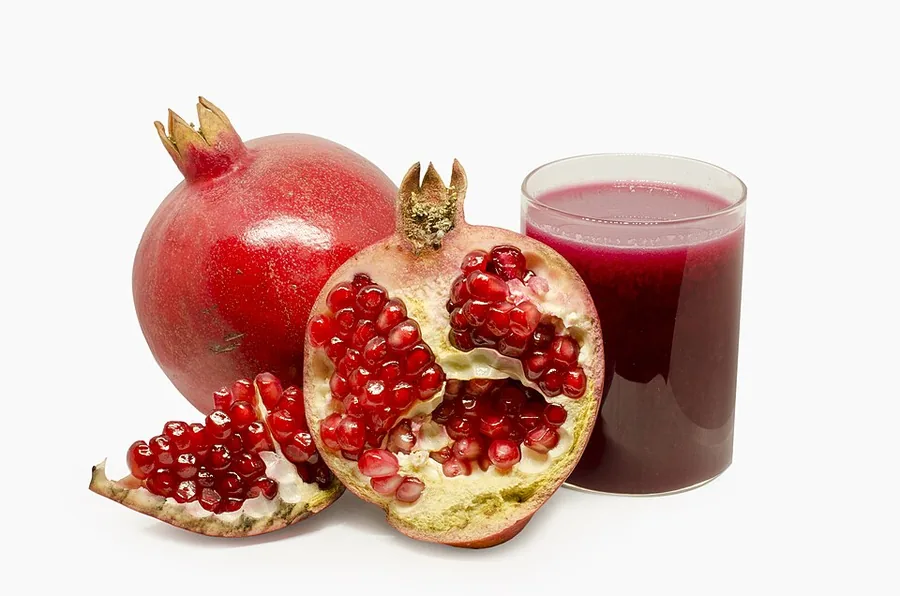
The pomegranate's an old fruiting shrub that folks have grown around the Mediterranean and the Middle East for thousands of years, and it's traveled just about everywhere since. Here's the fun part: it earns its spot twice in one season, with red-orange flowers in summer and fruit stuffed with ruby arils in fall. Leave it alone and it'll grow into a many-stemmed shrub, but you can just as easily train it to a few tidy trunks.
Once it's found its feet, it doesn't ask for much. Give it a sunny spot, ground that drains, and a deep drink about once a week when things get dry, and you're mostly there. It laughs off drought and takes a fair bit of cold too, with the hardy types making it through Zone 7, though it does want a long warm season to ripen a decent crop.
So what usually goes sideways? Two things: fruit that splits and suckers that pop up everywhere. Both are just habits, not bad luck, so keep the watering even and cut those suckers as they appear, and this shrub'll stay good-looking and productive for decades.
Care
The short version: give it full sun and well-drained soil, water deeply every 7 to 10 days and keep that moisture even as the fruit ripens, prune it lightly in late winter, and pull suckers as they show up.
Light
Pomegranates really want full sun, at least 6 hours of direct light a day, if you want good flowers and fruit. They'll put up with a little partial shade, but here's the catch: the shadier the spot, the fewer blooms, and fewer blooms means less fruit.
Water
Once it's settled, this plant is pretty drought tolerant, but even watering still counts for a lot. Give it a good deep soak every 7 to 10 days when rain's scarce, and keep that moisture steady through late summer and fall, because sudden swings are exactly what splits the ripening fruit.
Soil
It's happiest in well-drained loamy soil, though honestly it's not picky and handles most soil types, as long as they don't stay wet. Shoot for a pH between 5.5 and 7.0, and steer clear of heavy ground that holds water around the roots.
Temperature
It takes a big range, roughly 10°F to 104°F (-12°C to 40°C). A hard freeze can knock it back to the ground, but a long, hot summer? That's exactly what ripens the fruit.
Humidity
This one likes it dry, around 20% to 50% humidity. Damp, muggy air is really the thing to avoid, since it opens the door to the anthracnose that rots fruit in humid spots.
Feeding
Feed it a balanced 10-10-10 through spring and summer, using about 1 pound per 3 feet of plant height and splitting that between March and July. That bit of seasonal feeding is plenty to keep a settled plant cropping.
Pruning
Do your pruning in late winter, before the new growth kicks off. Clear out the suckers, dead wood, and any branches crossing each other, and go easy, because the fruit forms on 2 to 3 year old wood and heavy pruning basically trades away your harvest.
Repotting
Only the container-grown dwarf types need this, about every 2 to 3 years. Repot when you spot roots circling the pot, water running straight through, or growth that's stalled out. Mature plants in the ground? They never need it.
Size & spacing
A full-size pomegranate gets to 12 to 20 feet (3.7 to 6 m) tall and spreads 8 to 20 feet (2.4 to 6 m), so give it plenty of elbow room. If you're tight on space, a dwarf cultivar stays way smaller and does fine in a pot or a snug corner.
When to plant
Pomegranates like a nice long warm season, so don't rush them. Pop the plant outside in spring once the last frost's gone, watch the flowers open from late spring through fall, and pick the fruit from August into October, about 6 to 7 months after bloom.
Northern hemisphere
Southern hemisphere
Typical months for a temperate climate: start earlier in warm zones, later where spring frosts linger.
- Plant: spring after the last frost
- Harvest: blooms late spring through fall; fruit harvested August to October, about 6 to 7 months after bloom
Hardiness
USDA hardiness zones: 7–10
Temperature: down to -18°C
Troubleshooting
Most of the time, trouble shows up on the fruit or right around the base. The good news? Catching it early usually means a small tweak to how you water or prune fixes it. Find what matches below and deal with it before it spreads.
Rotting sunken spots on fruit when it's muggy
Those dark, sunken lesions are anthracnose, a fungus that thrives in warm, wet air and rots the fruit before it can ripen. It's the big reason pomegranates have a rough time in humid areas. Open the plant up so air can move through, keep water off the fruit, pull and toss anything infected, and go with resistant cultivars where the summers stay sticky.
Fix:
- Improve air circulation and avoid overhead wetting
- Remove and destroy infected fruit
- Choose disease-resistant cultivars in humid regions
Fruit splitting open as it ripens
A split pomegranate looks alarming, but it's just a moisture-swing problem, not a disease. What happens is a dry stretch gets broken by heavy rain or a long soak, the fruit swells fast, and the skin can't keep up so it cracks. Keep the soil moisture steady from late summer through fall, put down 2 to 3 inches of mulch, and back off the water little by little as the fruit ripens instead of stopping all at once.
Fix:
- Maintain consistent, even soil moisture through late summer and fall
- Apply a 2 to 3 in organic mulch layer to buffer moisture
- Reduce irrigation gradually as fruit matures rather than abruptly
Not many flowers, and young fruit dropping
A stingy pomegranate usually boils down to shade or plain youth. Sitting in partial shade it flowers poorly, and if it's under three years old it just hasn't settled in enough to hold a crop yet. Move it into full sun with 6+ hours of light, lay off the heavy pruning that strips fruiting wood, and give it till about year three before you write it off.
Fix:
- Site in full sun (6+ hours direct light)
- Be patient; better fruiting typically begins around year three
- Avoid heavy pruning that removes fruiting wood
Suckers crowding up the base
Pomegranates just love to throw up suckers from the roots and crown, and if you ignore them a tidy shrub turns into a mess fast. Simple fix: cut them off at the base whenever they appear. It helps to figure out early whether you want a few clean trunks or a full multi-stem shrub, then prune with that in mind.
Fix:
- Remove suckers regularly at the base
- Train to a few main trunks or allow as a multi-stem shrub
Toxicity
Good news first: the bit you actually eat is the safe bit. The arils and juice are great for people, but the bitter rind, bark, and roots hold tannins that can upset a cat or dog if they get into the peel or scarf down a bunch of fruit. So just keep the peels and leftovers where the pets and grazing animals can't reach them.
Toxic to
Cats · Dogs · Horses · Rabbits · Livestock · Birds
Safe for
People
Cats Mild
A few arils won't do a cat any harm, but the rind and that tannin-heavy pith can leave it queasy. Keep an eye out for vomiting or loose stools if it's been chewing the peel or eating a lot of fruit.
Dogs Mild
Dogs do fine with the sweet arils, but the tannins in the rind tend to bring on vomiting or diarrhea when they eat a bunch. And the seeds and tough peel? Those can choke a small dog or get stuck in the gut.
Horses Caution
Nobody's got a record of pomegranate poisoning a horse, but it's smart to keep the bitter, tannin-rich rind and bark out of reach, since a big helping could turn the stomach.
Rabbits Caution
The fruit isn't poisonous, but the tannins and sugar don't sit well in a rabbit's gut. Skip the rind completely, and treat the arils as a rare little nibble at most.
Livestock Caution
Goats, sheep, and cattle aren't really poisoned by pomegranate, but the astringent rind and bark can cause loose stools or a dull appetite if they browse on it a lot.
Birds Caution
Plenty of birds happily eat the ripe arils with no trouble. The rind's where the tannins are, though, so offer clean fruit only and leave the peel out.
People Fruit safe
For people, the juicy arils and juice are a healthy treat, whether you eat them fresh or press them. The rind and bark are bitter and astringent, and they're just not meant to be eaten.
Keep peels and large amounts of fruit away from cats and dogs; a few arils are not toxic but the rind and tannins are the irritating parts.
Helpline numbers

United States
ASPCA Animal Poison Control: (888) 426-4435 (fee applies)
Poison Control: (800) 222-1222



Canada
Poison Centres: 1-844-764-7669
Varieties
Pomegranates come in all sizes, from a 20-foot shrub down to a 2-foot dwarf, so there's a fit for pretty much any yard. Here are the ones you'll most likely run into and want to grow.
Wonderful
This is the big commercial name, loved for large, deep red fruit packed with juicy arils, and it's pretty much the yardstick every other pomegranate gets measured against.
Nana
A tiny dwarf that tops out at just 2 to 3 feet, which makes it the obvious choice for a pot or a small corner of the garden.
Salavatski (Russian series)
A cold-hardy pick said to hang on down to about Zone 6, so it opens up colder gardens than most pomegranates can deal with.
State Fair
A tidy little cultivar around 5 feet that crops reliably with smaller fruit, and it's a solid fit when you're short on space.
How to propagate
Want more pomegranates? They're easy to multiply, and the method you go with decides whether you get a twin of the parent or a bit of a wild card.
Stem cuttingsEasy
Winter (dormant season, January to February) · Roots in one growing season; 1 to 2 years in nursery rows before transplanting
Cuttings are your best bet if you want a plant just like the parent. During dormancy, grab pencil-thick hardwood pieces about 8 to 10 inches long, dip the ends in rooting hormone, and push them halfway into a moist soilless mix. They'll root over one growing season, then hang out in nursery rows for a year or two before they're ready to plant out.
SeedModerate
Spring · Germinates in a few weeks; several years to first fruit
Seed works, but it rarely gives you what you were hoping for. Sow in spring and the seeds sprout in a few weeks, but here's the thing: the seedlings come up all over the place, seldom match the parent, and make you wait several years for the first fruit.
LayeringModerate
Spring to summer · One growing season to root before separating
Layering's the move if you don't mind waiting. Bend a low, bendy branch down, pin it to the soil from spring through summer, and it'll root right where it sits over one growing season. Once it's rooted, snip it off the parent and transplant your new plant.
Myths
Pomegranates are poisonous to dogs and cats.
Not really, so you can relax. Pomegranate isn't on the ASPCA's toxic list, and Pet Poison Helpline treats it as a mild irritant, not a real poison. The upset stomach comes from the tannin-rich rind and from a pet overdoing it, which can bring on vomiting or loose stools. A few arils won't hurt; it's the peel you'll want to keep away from pets.
You need two pomegranates to get fruit.
Nope, one's plenty. Pomegranates are self-pollinating, so a single plant fruits just fine on its own, no partner required. Sure, a second shrub might bump the yield up a little, but you're never obligated to plant one.