Houseplant · Araceae
Split-leaf Philodendron
Philodendron bipinnatifidum
Warm spot, even water, and bright indirect light? That's pretty much all this big, leafy philodendron needs to turn a corner into a mini jungle.
Bright indirect
65–85°F · 18–29°C
USDA 9–11
4–15 ft · 1.2–4.6 m
Overview
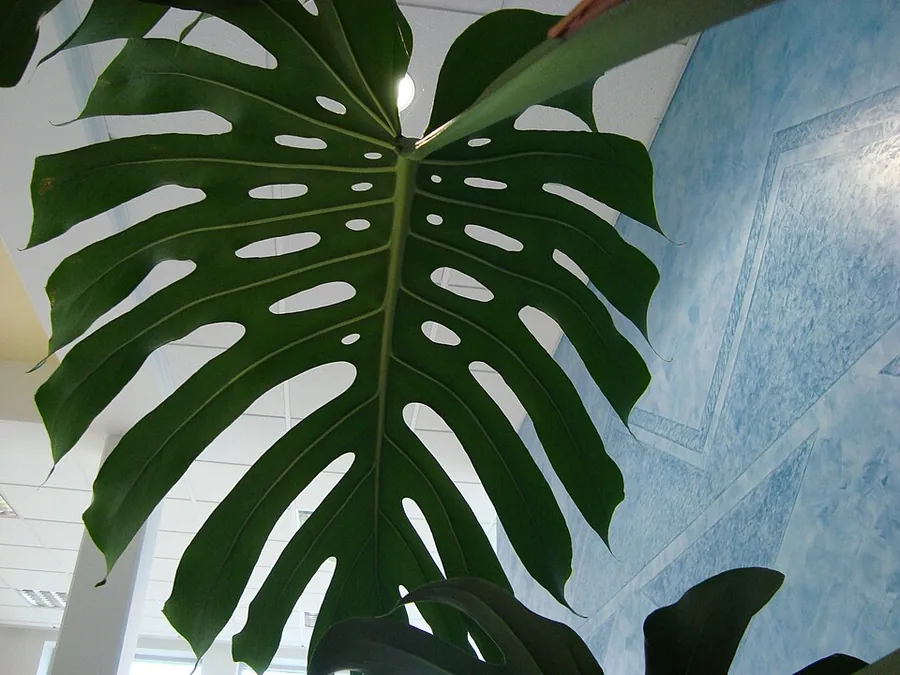
So where does the name come from? Those big, deeply cut leaves that spread out from a single chunky stem say it all. It's part of the arum family and comes from South America, where it grows as a wide, semi-woody shrub instead of a climbing vine. Indoors it stays smaller and easier to manage, but it'll still want a bit of elbow room.
Here's the good news: this one's genuinely easy. It likes warmth, bright indirect light, and soil that stays damp, and it'll forgive a skipped watering better than the pickier plants on your shelf. Give it a few years and the bottom leaves drop off while the stem gets thicker, so an older plant ends up looking a lot like a little tree.
One thing to know before it moves in: every part is loaded with calcium oxalate crystals that sting the mouth and can bug your skin. That makes it a rough fit if you've got pets or little kids who like to taste-test the leaves, and it's why gloves are a smart move whenever you trim it.
Care
The short version: bright indirect light, keep it warm above 65°F (18°C), and soil that's damp but never soggy, plus a monthly feed and decent humidity while it's growing.
Light
Give it bright indirect light and it'll grow beautifully. It'll handle anything from a bit of partial sun to a shadier spot, but keep it out of harsh midday sun that scorches the leaves, and off a dark corner that just leaves it thin and slow.
Water
Try to keep the soil damp but never soggy, and don't let the pot sit in a puddle of water. It doesn't cope well with drought or salty buildup, so water it steadily and back off a little in winter when growth slows down.
Soil
Pot it up in a rich mix that holds moisture but still drains well and has plenty of organic matter. Regular indoor potting soil is fine, and honestly it isn't picky about texture at all, taking clay, sand, or loam anywhere from slightly acidic to slightly alkaline.
Temperature
It's happiest between 65°F and 85°F (18°C to 29°C), and it likes that warmth to stick around all year. Keep it above about 70°F (21°C) in summer and above 60°F (16°C) in winter, and bring potted ones inside before frost shows up.
Humidity
It's a tropical plant, so it loves high humidity. It'll get by in normal room air just fine, but the leaves look their best when you bump up the moisture around it, especially through a dry winter indoors.
Feeding
Feed it once a month through spring and summer while it's actively growing. A watered-down houseplant fertilizer or a slow-release one does the trick, and don't go overboard, since too much salt in the soil turns the leaf tips brown.
Pruning
Good news: there's hardly any pruning to do. Just snip off the yellowed, damaged, or spent lower leaves at the base and you're set. Wear gloves and keep the sap off your skin, because it can leave a rash.
Repotting
Only repot when it outgrows its pot, or once the roots start circling the top and poking out the drainage holes. Big old plants barely need it. When you do, just move it up into general-purpose potting soil.
Overwintering
If your winters get cold, this plant needs to come inside before frost. It's only really hardy outdoors in about zones 9 to 11, so the easy move is to grow it in a pot you can carry in, keeping it above 70°F (21°C) in summer and above 60°F (16°C) in winter.
Size & spacing
Indoors it stays pretty manageable, but out in a frost-free garden it can hit 4 to 15 feet (1.2 to 4.5 m) tall and spread 6 to 15 feet (1.8 to 4.5 m) wide. Give it a wide, open spot, because a grown one reaches those big leaves way out past the trunk.
Troubleshooting
Most problems here start at the roots or turn up on the leaves first, so that's where to look. Spot the early clues and you can usually fix what's wrong before it gets worse. Find your symptom below and deal with it while it still counts.
Soft black roots and a drooping plant
Soggy soil that never dries out is a fast track to root rot, and it can take down even a big plant. Pop it out of the pot and check the roots: the good ones are firm and pale, and the bad ones are brown, mushy, and smelly. Trim off the dead ones, repot into fresh well-draining mix, and ease up on the watering.
Fix:
- Reduce watering
- Repot into fresh well-draining mix and trim away rotted roots
- Ensure the container drains freely
Bottom leaves going yellow
If the lower leaves are yellowing, it's almost always overwatering or a spot that's too dark. Let the top of the soil dry out a bit between waterings, make sure the pot actually drains, and move it into brighter indirect light. Once a leaf's gone fully yellow, just pull it off.
Fix:
- Let excess water drain and allow the soil surface to dry slightly before rewatering
- Move to a brighter spot with medium to bright indirect light
- Remove badly yellowed leaves
Sticky leaves, webbing, or tiny bugs
Dry indoor air is basically an invitation for aphids, mealybugs, scale, thrips, and spider mites, which show up as sticky honeydew, speckled leaves, or fine webbing. Wipe a small outbreak off by hand, then treat with insecticidal soap or horticultural oil. Keep it away from your other plants until it's clean.
Fix:
- Wash or wipe off light infestations
- Treat with insecticidal soap or horticultural oil
- Isolate affected plants until controlled
Leaf tips curling and browning
Brown, curling tips usually mean fertilizer salts have piled up in the soil. Quit feeding for now, then flush the pot with a bunch of plain water to rinse the salts out the bottom. When you feed again, water it down well first.
Fix:
- Stop fertilizing
- Leach the soil by flushing thoroughly with water
- Resume feeding only at a dilute rate
Bleached patches on the sunny side
Pale, scorched patches on the most exposed leaves? That's too much harsh direct sun. Move it into dappled light, part shade, or bright indirect light instead. If you'd rather give it a sunnier home, ease it over slowly so the leaves can toughen up.
Fix:
- Move to dappled sun, part shade, or bright indirect light
- Acclimate gradually before increasing sun exposure
Dark spots showing up on leaves
Leaf spot, whether it's fungal or bacterial, likes leaves that stay wet in still, stuffy air. Water down at the soil so the leaves stay dry, give the plant more room to breathe, and pick off any spotted leaves you find.
Fix:
- Improve air circulation
- Keep foliage dry when watering
- Remove affected leaves
Toxicity
Keep this one away from anything that likes to chew. Every part holds insoluble calcium oxalate crystals, and a bite brings on quick burning, loads of drool, and swelling. Nothing on the plant is safe to eat, and even the sap can irritate your skin, so pull on gloves to prune and keep it somewhere pets and kids can't reach.
Toxic to
Cats · Dogs · Horses · Rabbits · Livestock · Birds · People
Cats Toxic
If your cat bites a leaf, those calcium oxalate crystals set off an instant burning in its mouth. You'll probably see a lot of drooling, pawing at the face, vomiting, and trouble swallowing. The mouth and throat can swell up too, and once in a while that swelling makes breathing tough.
Dogs Toxic
A dog that chews any part ends up drooling, gagging, and pawing at a sore mouth, and vomiting and a sudden lack of interest in food usually tag along. It's normally mild and clears up within a day, but rare airway swelling is worth a quick vet call.
Horses Toxic
Horses feel the same sting in the mouth and lips from the crystals, which gets them drooling and turning up their nose at food. That sore, swollen tissue keeps a horse off its feed until things calm down.
Rabbits Toxic
The crystals burn a rabbit's mouth just like they do with any animal, so keep the plant well out of reach. Expect drooling and a rabbit that stops eating, and that's a real worry in something that small.
Livestock Toxic
Cattle, goats, and sheep that grab a mouthful get the same burning, drooling, and swelling. Most leave the bitter plant alone after one taste, but don't let it grow anywhere they graze.
Birds Toxic
A pet bird that chews the leaves gets the same mouth and throat irritation, with drooling and obvious discomfort. Keep the plant well clear of any bird that's allowed to roam around and forage.
People Caution
Nothing on this plant is meant to be eaten, and biting a leaf brings a sharp burning of the mouth, lips, and tongue plus swelling and drooling. Even handling it can irritate your skin, so wear gloves when you prune and keep it away from little kids.
Wear gloves when pruning; the sap can cause skin irritation/contact dermatitis. Keep out of reach of pets and children
Helpline numbers

United States
ASPCA Animal Poison Control: (888) 426-4435 (fee applies)
Poison Control: (800) 222-1222



Canada
Poison Centres: 1-844-764-7669
Varieties
There aren't many named versions of this plant, but there's one compact cultivar that pops up enough to be worth a mention.
'Lundii'
'Lundii' is a more compact selloum that stays smaller and neater than the regular species, so it's a nice pick when you're short on space.
How to propagate
Want more of these? Splitting off the offsets is dead easy, and seed is really only worth it when you've got no other option.
DivisionEasy
Spring to summer during active growth · Several weeks to a few months
The easiest way to get more is to split off the little offshoots that pop up around the base of the parent. Do it in spring or summer while it's growing, and give each piece its own pot. Then just let the divisions take several weeks to a few months to settle in and root.
Stem cuttingsModerate
Any season, best under warm growing conditions · A few weeks to root
You can also root a stem cutting or air-layer a stem, which works any time of year but does best when it's warm. A cutting takes a few weeks to root. Fair warning though: the tree and selloum types don't root as easily as the climbing philodendrons, so it's a bit hit-or-miss here.
SeedDemanding
When fresh seed is available · Slow and variable
Growing it from seed is doable, but honestly it's rarely worth the hassle at home. The seed goes bad fast unless it's been properly processed and vacuum-packed, and the seedlings are slow and uneven. Save it for when fresh seed lands in your lap and the easier methods just aren't options.
Myths
Split-leaf philodendron and Monstera deliciosa are the same plant.
Nope, they're actually in different genera, even if they both belong to the arum family. People slap the name split-leaf philodendron on Monstera deliciosa all the time, but up close they don't match. Monstera grows holes in its older leaves, while this philodendron has deeply cut leaves with no holes and builds a chunky, trunk-like stem.
The switch to the genus Thaumatophyllum is settled and done.
Back in 2018, a study split a bunch of philodendrons into the genus Thaumatophyllum, so some databases now call this one Thaumatophyllum bipinnatifidum. But Kew's Plants of the World Online still treats that as a synonym and sticks with Philodendron bipinnatifidum as the accepted name, so it's not as settled as it sounds.
Sources
- Plants of the World Online, Royal Botanic Gardens Kew
- Plants of the World Online, Royal Botanic Gardens Kew
- NC State Extension Gardener Plant Toolbox
- Missouri Botanical Garden Plant Finder
- University of Florida IFAS Extension (EDIS FPS473)
- ASPCA Animal Poison Control
- Pet Poison Helpline
- Clemson Cooperative Extension HGIC
- Missouri Botanical Garden Plant Finder